

Synchrinized Conversations

Legendary Police drummer Stewart Copeland articulates musical mastery City Winery
A life lived in devotion to music is the product of vast influences and even greater endeavors and experiments. The seeds sown during an artist’s formative years sprout in varying, unexpected directions, rooted firmly in a singular creative vision. When Stewart Copeland first picked up drumsticks at the age of twelve while living in Lebanon, he began a journey into the world of rhythm that took him around the globe and into the musical lexicon of generations of listeners. Over the next sixty years, Copeland would assemble an arsenal of musical influences and inspirations, merging them all into his own virtuosic style. After founding The Police in 1976, he established himself as one of rock’s most gifted drummers over the next eight years. Countless film scores, video game soundtracks, bands and collaborations later, Copeland’s versatility and ingenuity places him in a class of his own. On Thursday night, he brought the story of his musical growth to City Winery with candor, insight, wit and humor.
Copeland’s “Have I Said Too Much?” spoken word tour is more than a mere autobiographical lecture. The two-hour show is a testament to the power of a diverse musical palette and its ability to shape a lifetime of creativity. With refreshing honesty, disarming wit and friendly interaction with the sellout crowd, Copeland articulated his passion for music and its ability to heighten the senses.
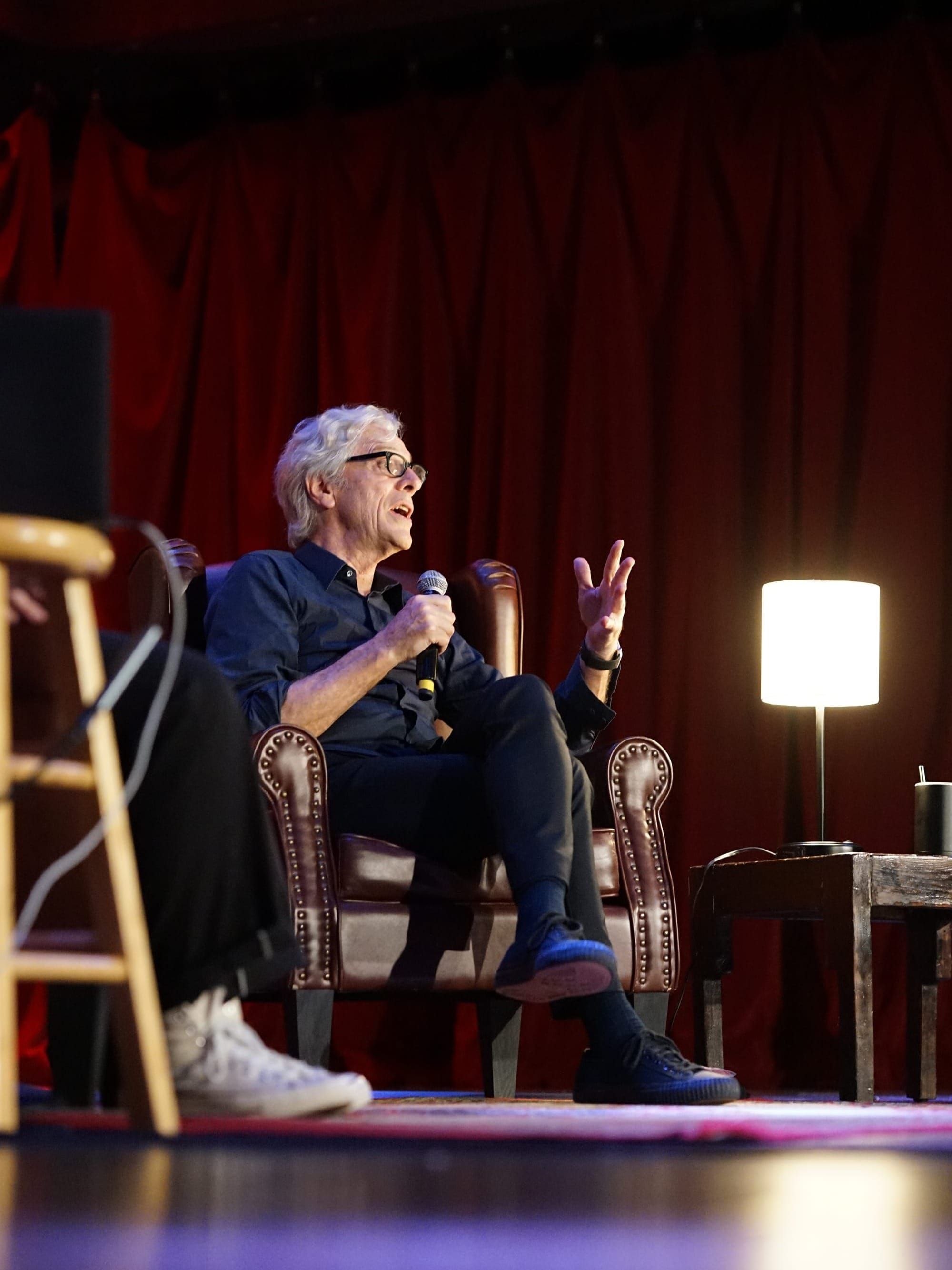
From the moment he walked on stage, Copeland established a rapport with the enthusiastic audience. “Let’s talk ‘n roll! Are you ready to talk?” he began the show, introducing the spoken word format. The stage setup included warm lighting, two leather chairs, a lamp and a laptop to project images on the screens at either side of the stage to enhance the narrative. Moderator Ashley Gill-DiGiamotta facilitated the conversational flow of the evening and connected well with Copeland and the audience.
The show began with Copeland reminiscing about his childhood thousands of miles from his birthplace in Alexandria, Virginia. As his father was a high-ranking official in the CIA, the family moved to Egypt two months after Stewart, the youngest of four children was born. “My sister Lennie had much more class than her two slob-like brothers” Copeland remembered as a family photo flashed onto the screen. His two brothers, Ian and Miles Jr., had contrasting personalities, but would both grow up to work in the management side of the music business. Ian as a booking agent and Miles as a manager and founder of IRS records. Both would represent The Police from the beginning.
Copeland’s humor and animated stage presence added a relatable dimension to the intellectually stimulating program. Describing the CIA’s operations in the middle east during the fifties and sixties, he summed up their goals as “installing dictators, despots and dickheads to maintain a steady flow of oil to the west, away from the USSR.” After five years, the Copeland’s moved to Beirut, where Stewart studied at an American Community School. He noted that Osama Bin Laden attended the very same school a few years later. “If I had known him, of course I would have kicked his ass!” he remarked to uproarious laughter.
While growing up and attending school in Lebanon, Copeland stated that Arabic music had a profound impact on his creative development. Baladi, a style of Arabic folk music with unique rhythmic patterns informed the distinctive drum sounds heard throughout The Police’s catalog and beyond. “The rhythm got into my DNA” Copeland stated, explaining the patter where the beat lands on three and eliminates the one. This early exposure to a radical departure from traditional western rhythms explains the breadth of Copeland’s compositional skill.
The crowd listened intently to the stories of inspiration and musical discovery. Copeland interacted with the audience enthusiastically, asking how many drummers, bassists and guitarists were in the house. He promised some ribbing for the guitarists as revenge for years of drummer jokes. Anyone who had spent time in a practice space could sympathize with his position. “What do you throw a drowning guitarist?” he asked, leaving enough of a pause for the punchline, “His amp!”. Even the guitarists laughed genuinely.
When asked about his favorite instrument to play, Copeland admitted that although he still has a passion for drums and plays often, he has the most fun playing bass. He recalled a meeting with Eddie Vedder who had purchased one of his vintage drum kits at auction with satisfaction knowing that it would be played and not sit in “a bank manager’s man cave”. Copeland’s positive relationship with fellow musicians and listeners was on display throughout the evening.
London in the seventies was a city in transition between two waves of musical revolution. The psychedelic sounds of the late sixties became even more intricate and complex as progressive rock grew at the dawn of the new decade. By the mid-seventies, ornate fashions and lush orchestrations gave way to the visceral sounds of punk. Copeland’s early years as a professional musician mirrored this sea change. After a short stint as a roadie for Wishbone Ash, he became tour manager for prog rockers Curved Air. Before long, he found himself behind the drum kit for Curved Air. He described in detail the process of writing to Melody Maker and NME to obtain positive press for the band. As punk took hold pf London’s music scene, Copeland was drawn to the movement’s DIY ethos. He decided he wanted to form his own band.
His new musical endeavor was to be a power trio, in the vein of Cream or The Jimi Hendrix experience. “More room in the van with a three piece” Copeland explained. He joined up with guitarist Henry Pentovani in search of a bassist who could sing, a rare commodity due to the difficulty of balancing vocal melody and a bass line. While on tour with Curved Air, Copeland saw the jazz fusion band Last Exit, with a charismatic bassist and lead vocalist. “Jackpot!” Copeland exclaimed, referencing the moment he convinced Sting (affectionately dubbed Stingo) to join his band. Later in 1977, acclaimed session guitarist Andy Summers would join the group after much convincing from Copeland and Sting. Pantovani exited soon after and the three-piece band would record and tour extensively over the next seven years. By the early eighties, The Police were in the top echelon of rock, from a critical and commercial perspective.
Copeland led the dedicated audience in rounds of applause for Sting, Summers and their work together as The Police. Despite creative differences which led to their 1984 breakup and persisted through 1986 and 2007 reunions, the three remain friends and are still in contact.
The first half of the show concluded with a discussion of Copland’s 1980 solo project Klark Kent. The project consisted of songs composed and performed by Copeland on his own in his home studio. He would perform as Klark Kent on the BBC’s Top of the Pops with Sting and Summers in disguise.
After a thirty-minute intermission, Copeland answered audience questions submitted into a drum onstage. The open-ended segment touched upon Copeland’s involvement in an arena production of Ben-Hur and his jam-oriented supergroup Oysterhead in which he teamed up with Trey Anastasio and Les Claypool. Most questions related to The Police’s illustrious career and Copeland appeared excited to share awaited anecdotes. From recording Ghost in the Machine in Montserrat to disagreements over rearranging “Message in a Bottle” for the 2007 reunion, the forum was an intriguing and humorous look backstage at the legendary trio.
When asked if he had any advice for a young drummer, Copeland responded with sincere pointers for budding musicians to develop their skills. “Listen to everything, the more you listen to, the more will come out in your playing” he explained. He also encouraged a softer touch to prevent injury and save one’s drum kit from damage, extolling the virtues of a good p.a. system.
As the evening wound down, fans were grateful to experience an intimate conversation with one of rock’s most creative drummers and musical polymaths. The enriching combination of stories, humor and audience interaction emphasized the connective properties of creative expression. As the crowd exited City Winery, their trip home was certainly accompanied by a classic Police album or any other project anchored by Stewart Copeland’s masterful rhythms.
At the intermission, Mr. Copeland graciously sat down with Following Boston to answer a few questions relating to The Police’s storied career.
FB - In your opinion, which tour represented The Police’s peak as a live band?
SC - I would say the last tour where we played Shea Stadium. When we quit, we were right on fire!” When it comes to recordings, my favorite would have to be Regatta de Blanc. We were still dependent, co-dependent on each other, and we didn’t have enough material, so we had to make it up. That was the most fun album to record.
FB - That leads me to my next question. Did any other songs in the Police catalog originate as a live improvisation, similar to the title track on Regatta?
SC - That only happened once on that title track, but we used to go off on a jam in Roxanne which used to transport me every time. Stingo gets on the mic and takes off with that melodic sensibility and rhythm. We’d just go off, that was my favorite part of the set.
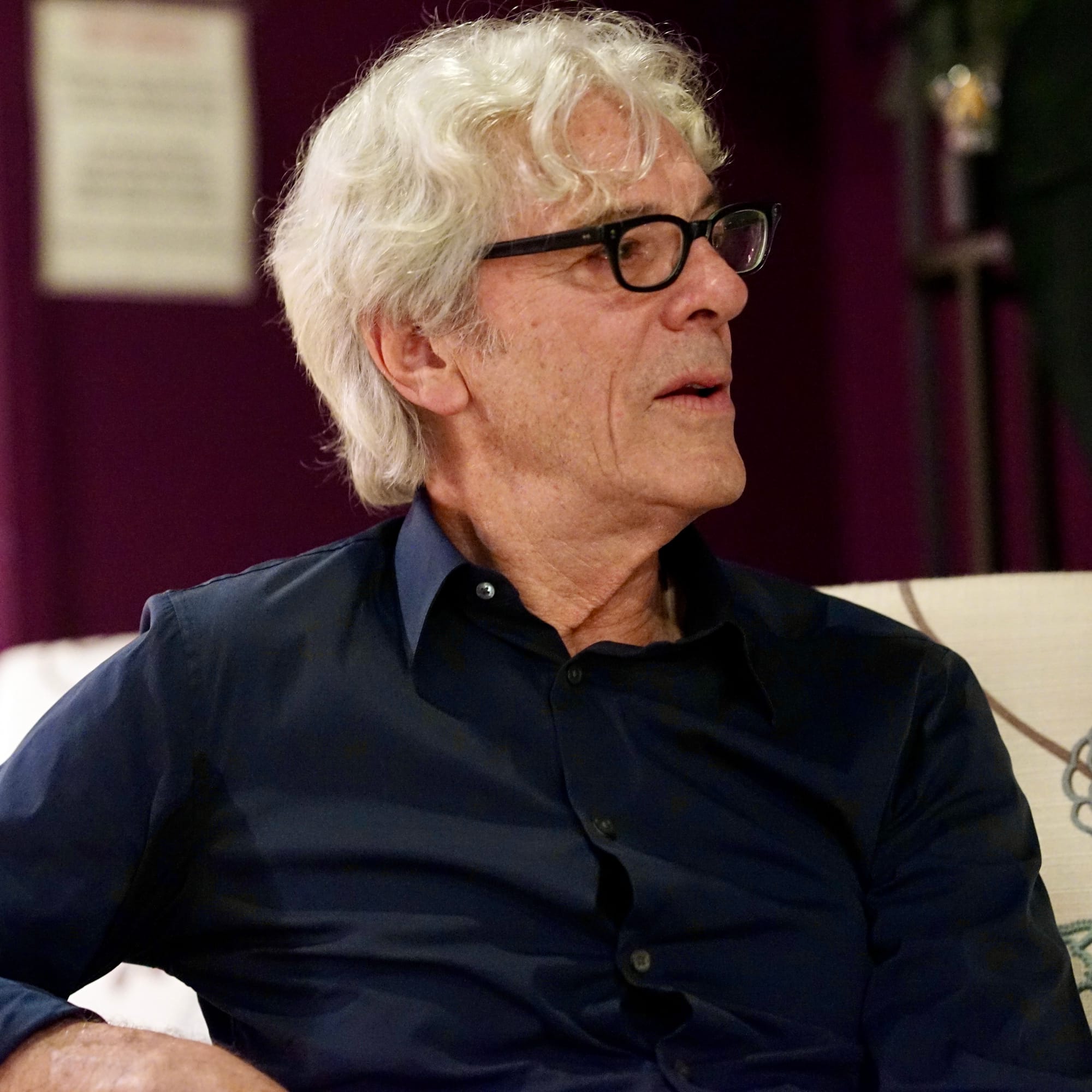
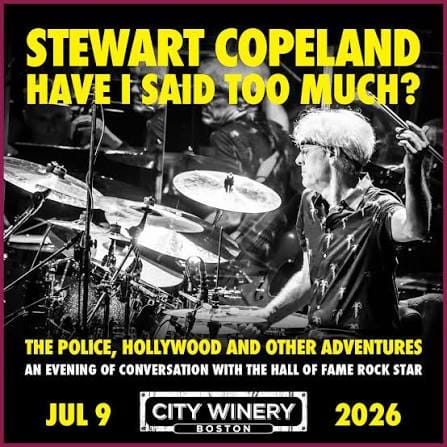
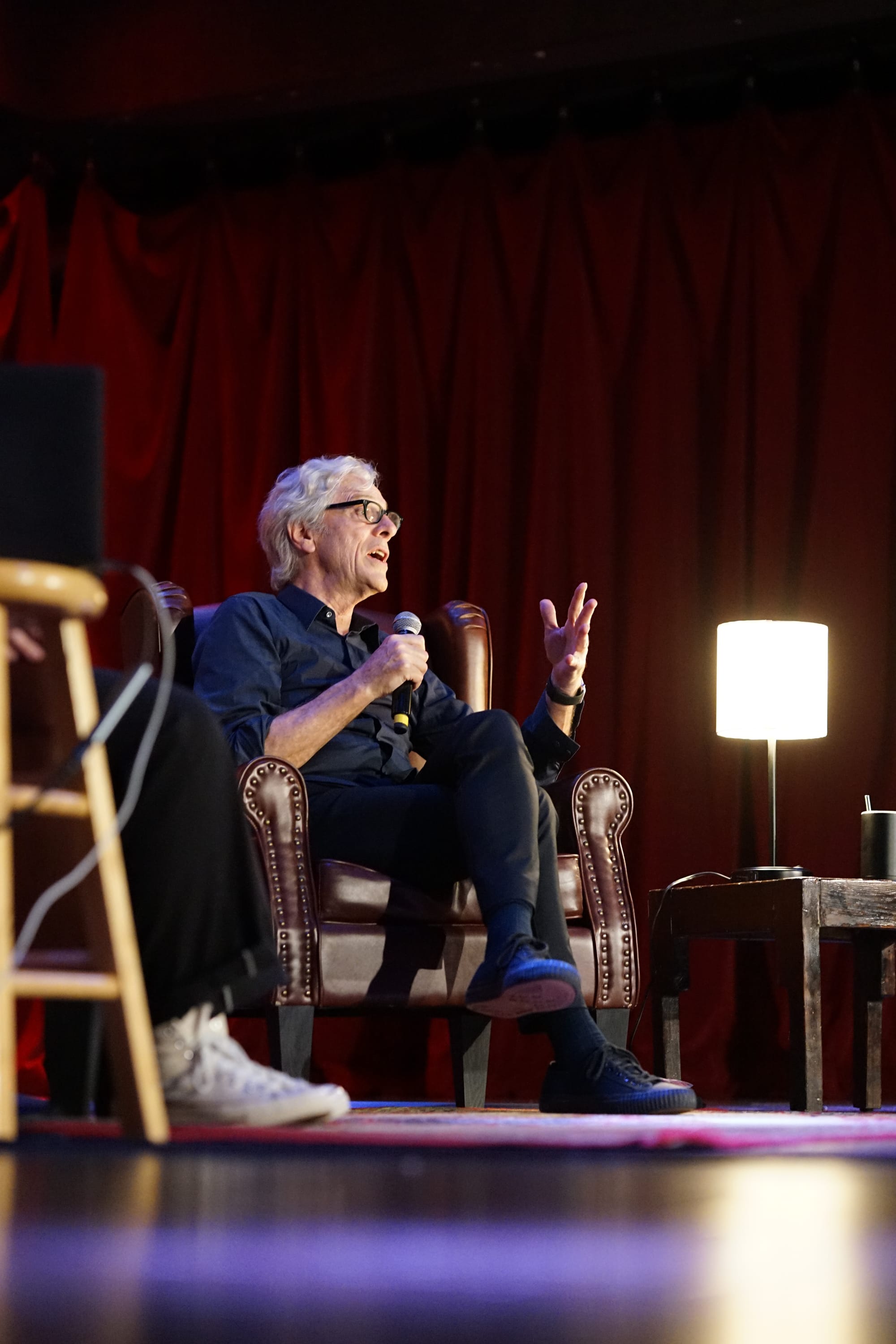
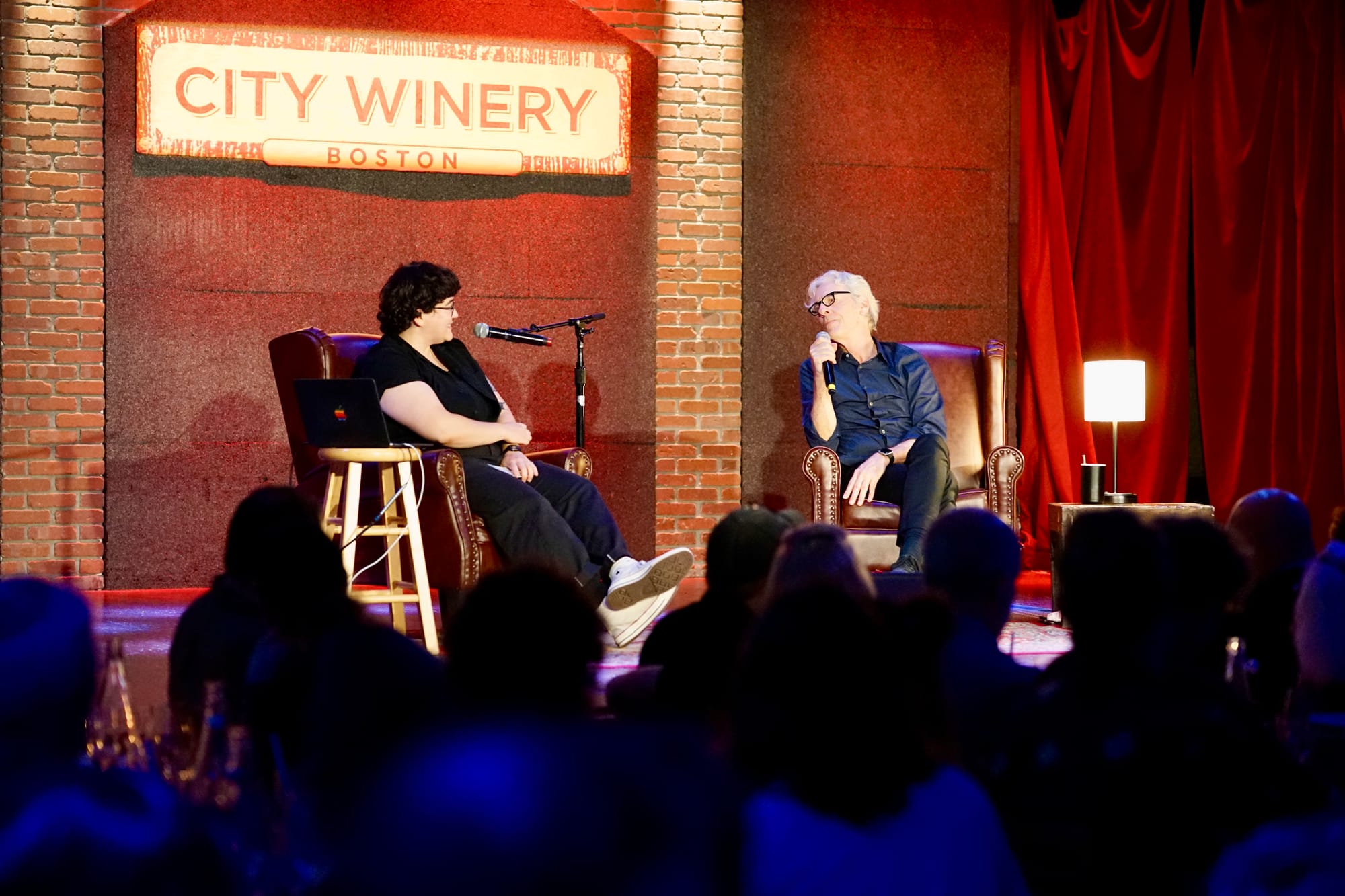
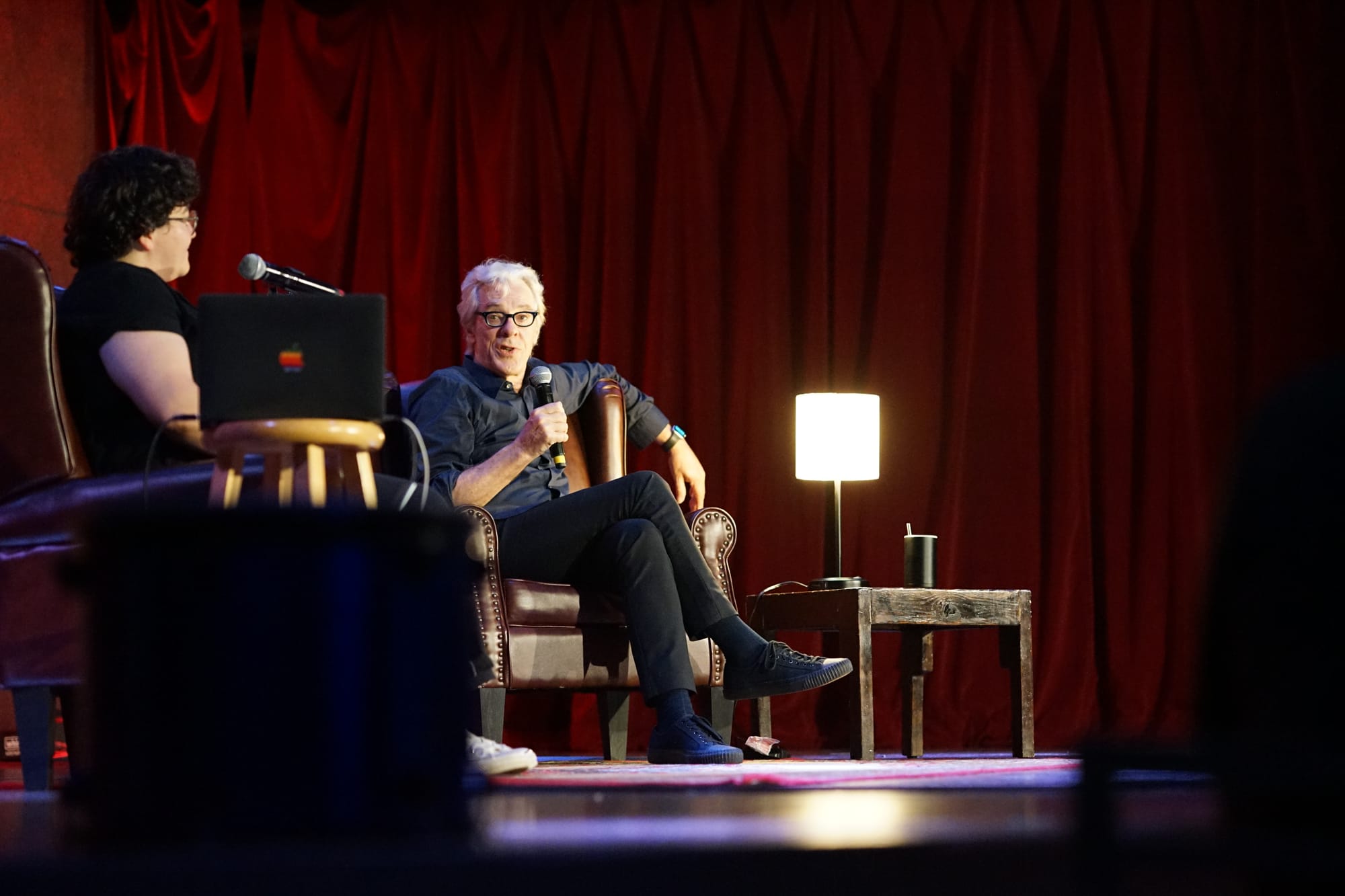
Photo: Michael Kalish
Your link has expired. Please request a new one.
Your link has expired. Please request a new one.
Your link has expired. Please request a new one.
Great! You've successfully signed up.
Great! You've successfully signed up.
Welcome back! You've successfully signed in.
Success! You now have access to additional content.