
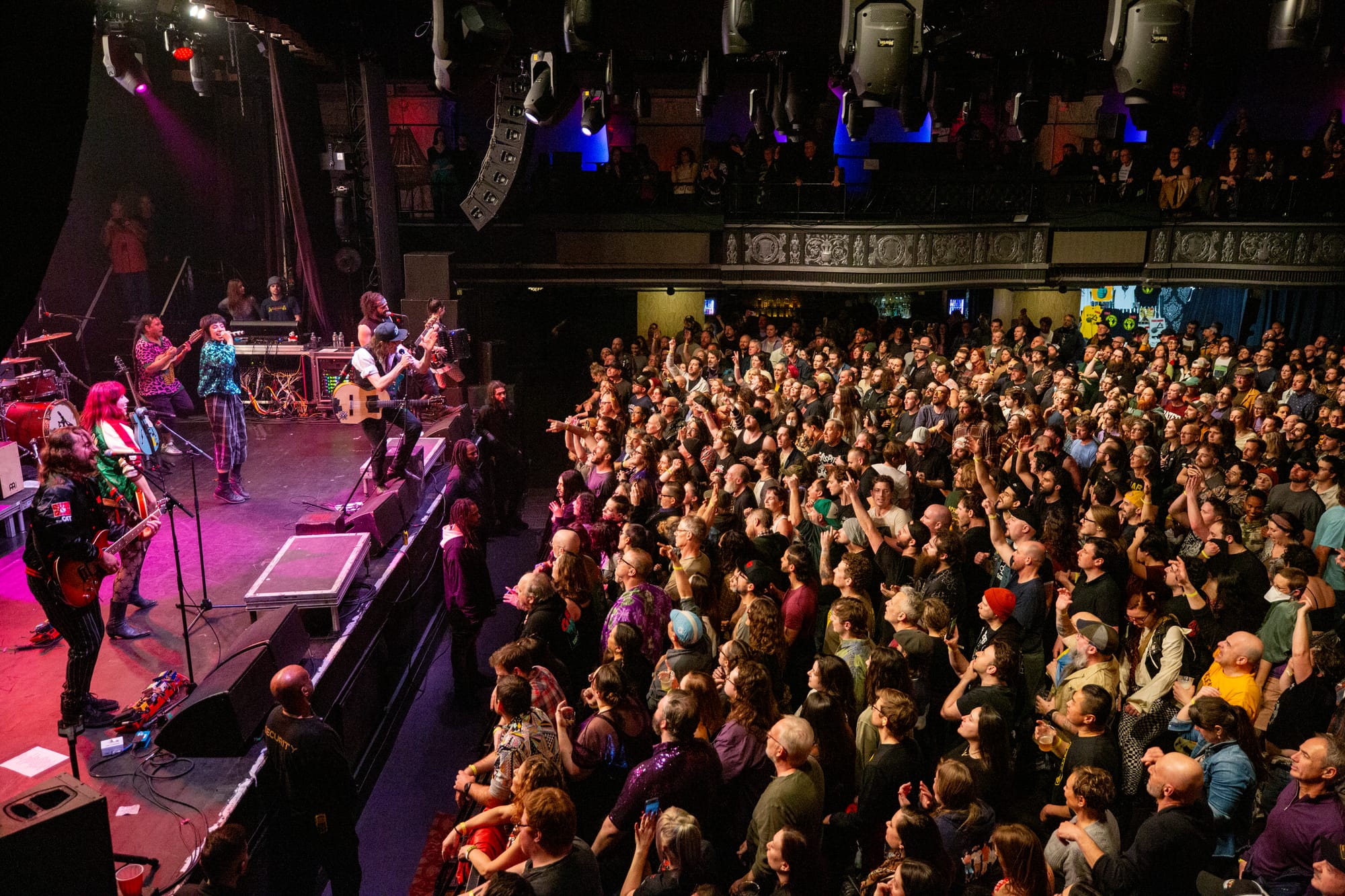
BOSTON, MA — If you walked past the Royale on Wednesday night and didn’t feel the floorboards vibrating beneath your feet, you weren’t paying attention. Gogol Bordello, the undisputed kings of gypsy punk, tore into a sold-out Boston crowd with the force of a runaway freight train, proving once again that Eugene Hütz’s “post-punk revenge” is exactly the shot of adrenaline the world needs right now.
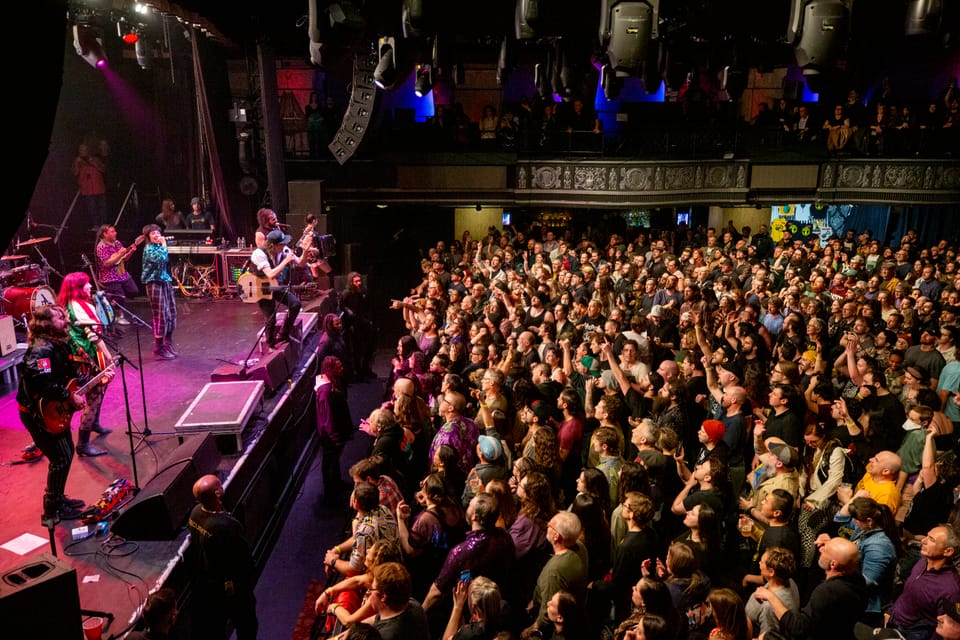
Touring behind their 2026 release We Mean It, Man!, the band didn’t just deliver a set—they staged a full-throttle celebration of survival, identity, and cross-cultural collision. The energy was combustible from the start. Before the first note even rang out, the General Admission floor had already become a churning sea of sweat and denim. The moment the band hit the stage, the room tipped into chaos—mosh pits opening and collapsing, drinks flying, strangers locking arms and shouting lyrics like they meant something.
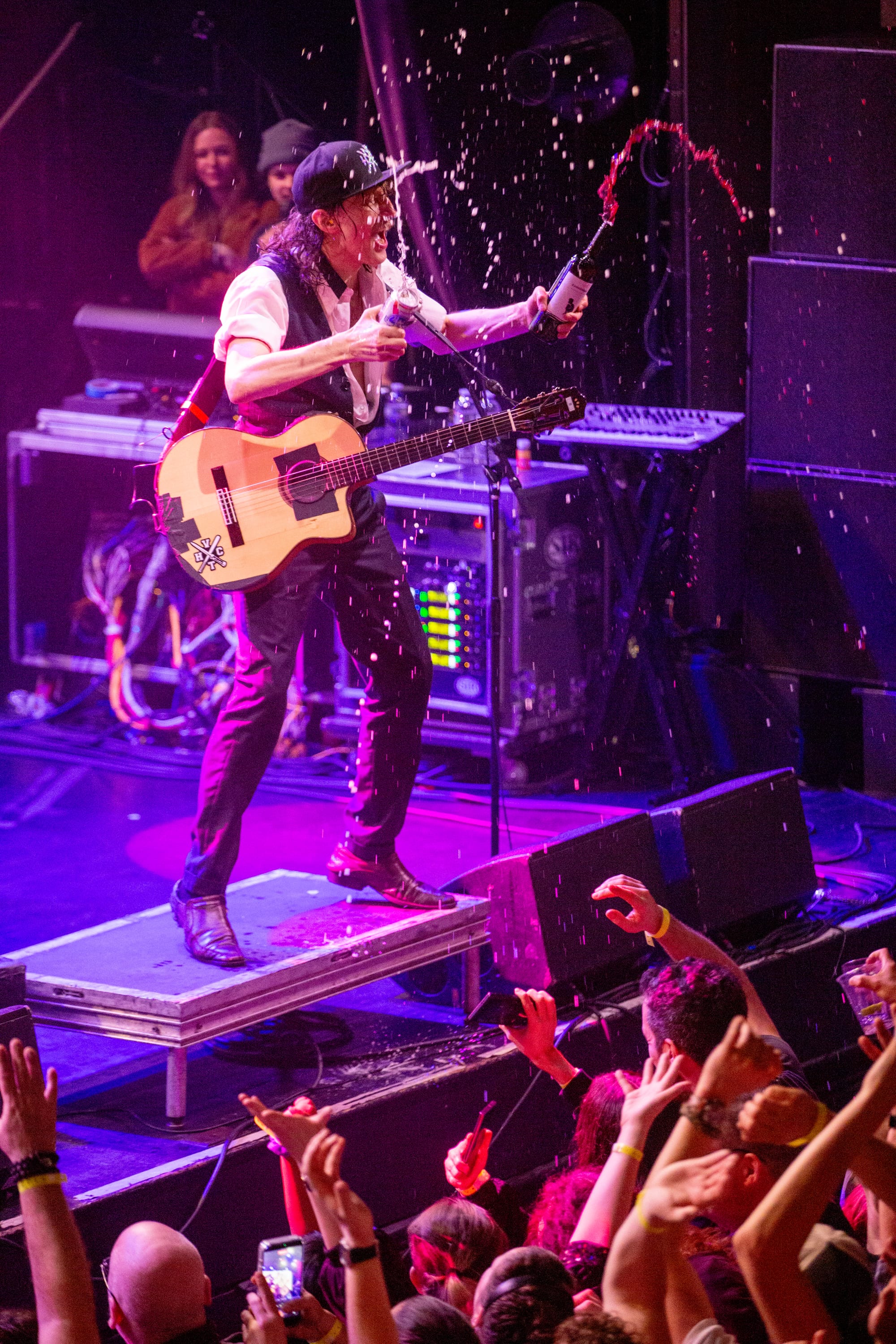
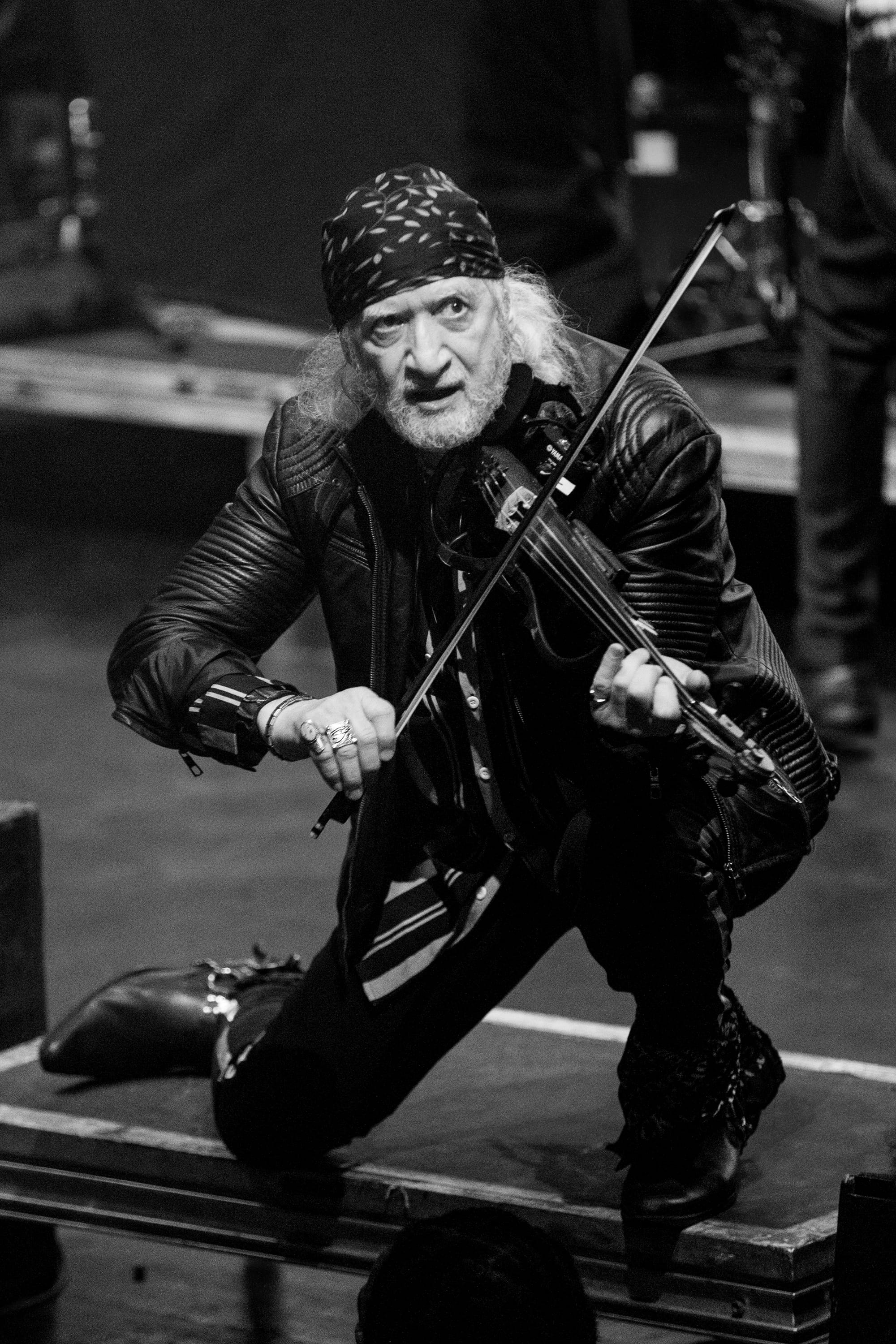
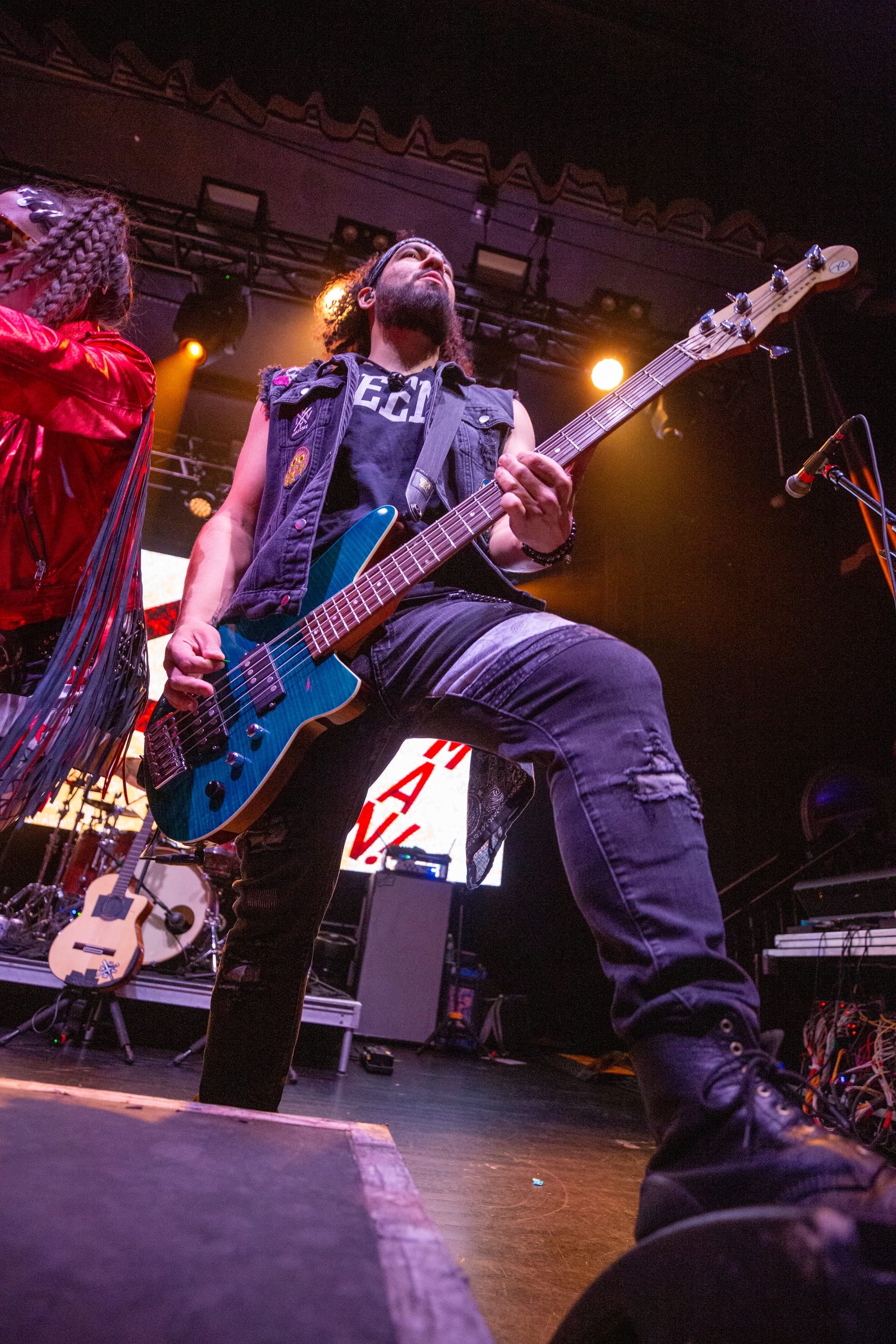
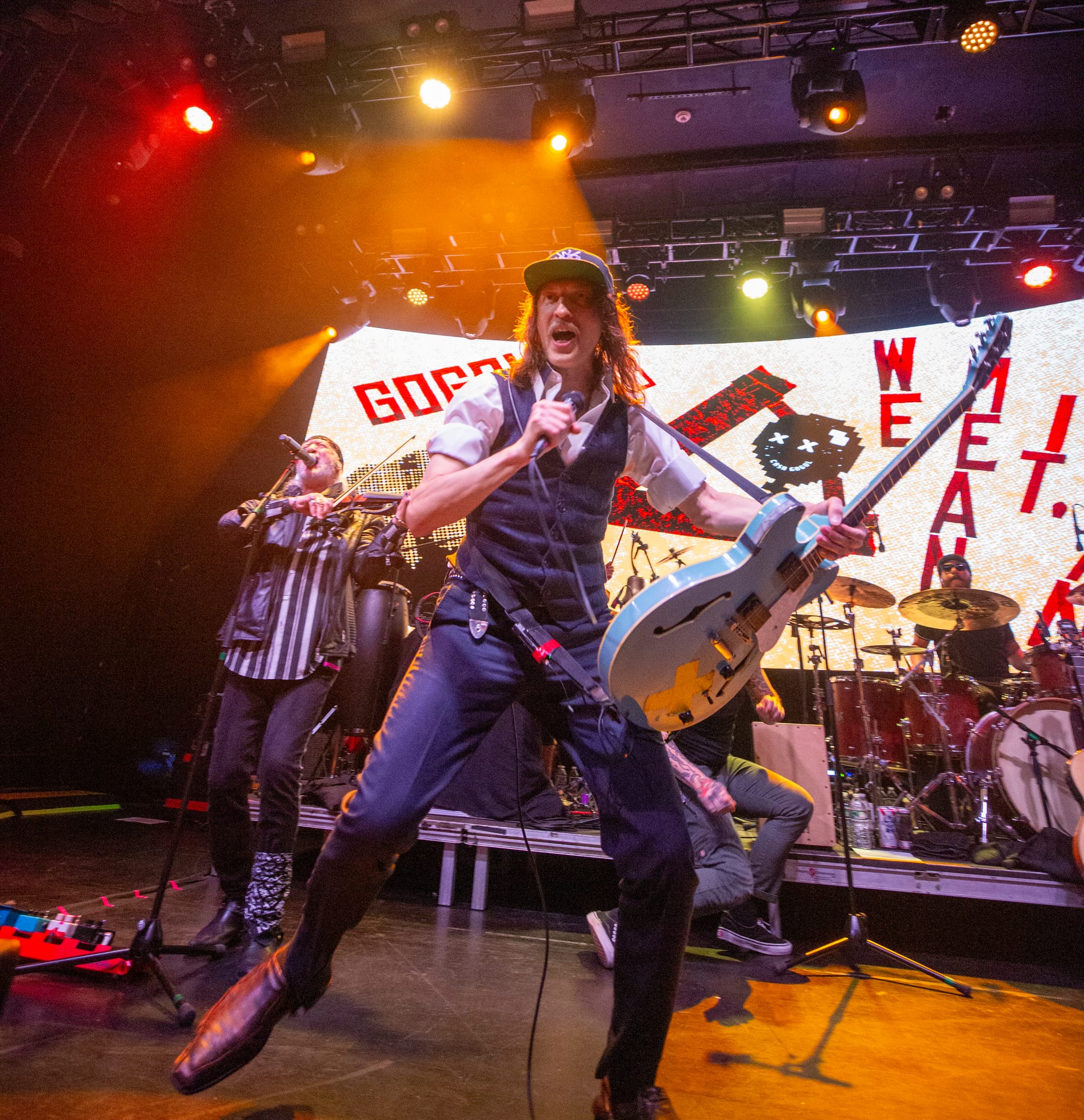
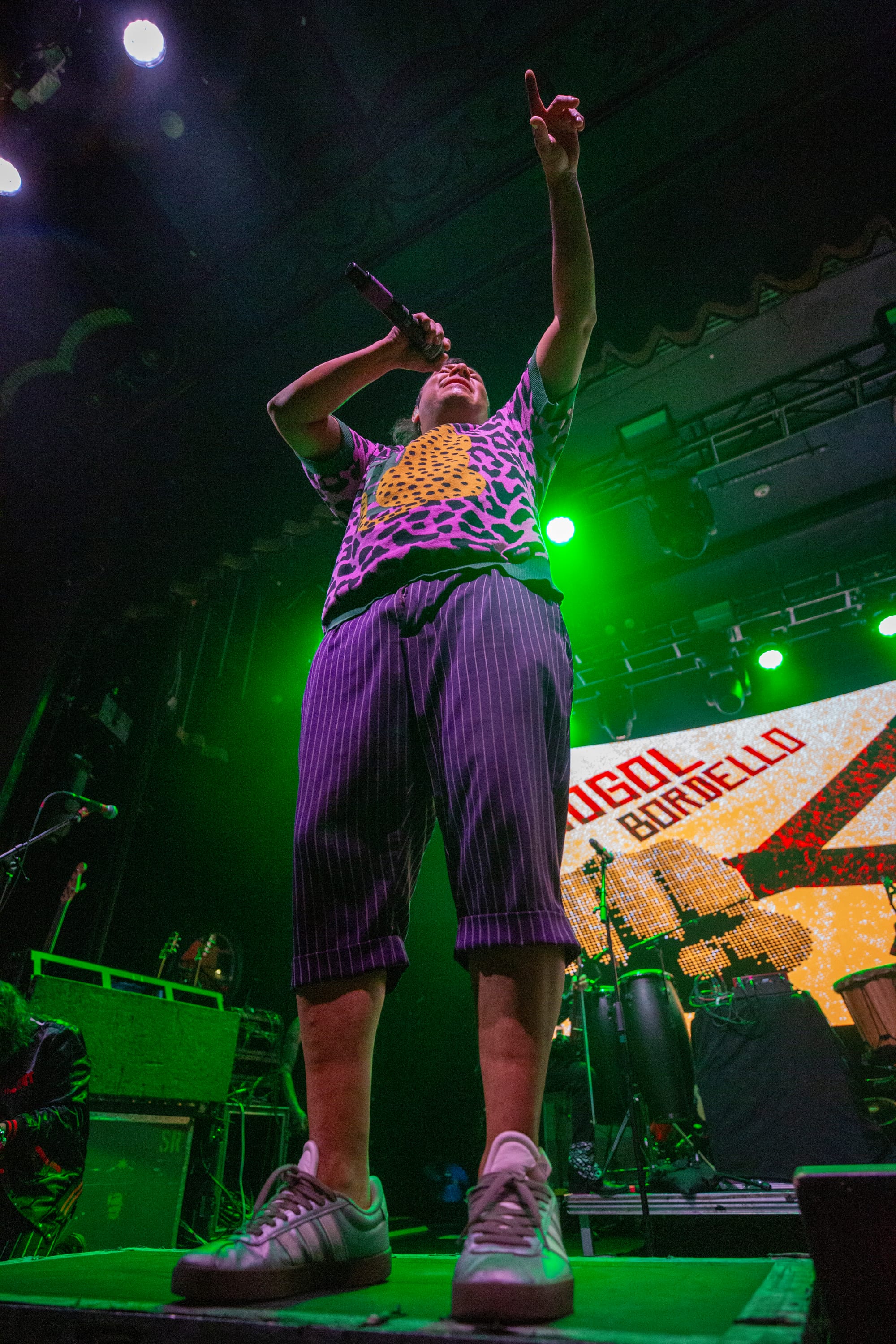
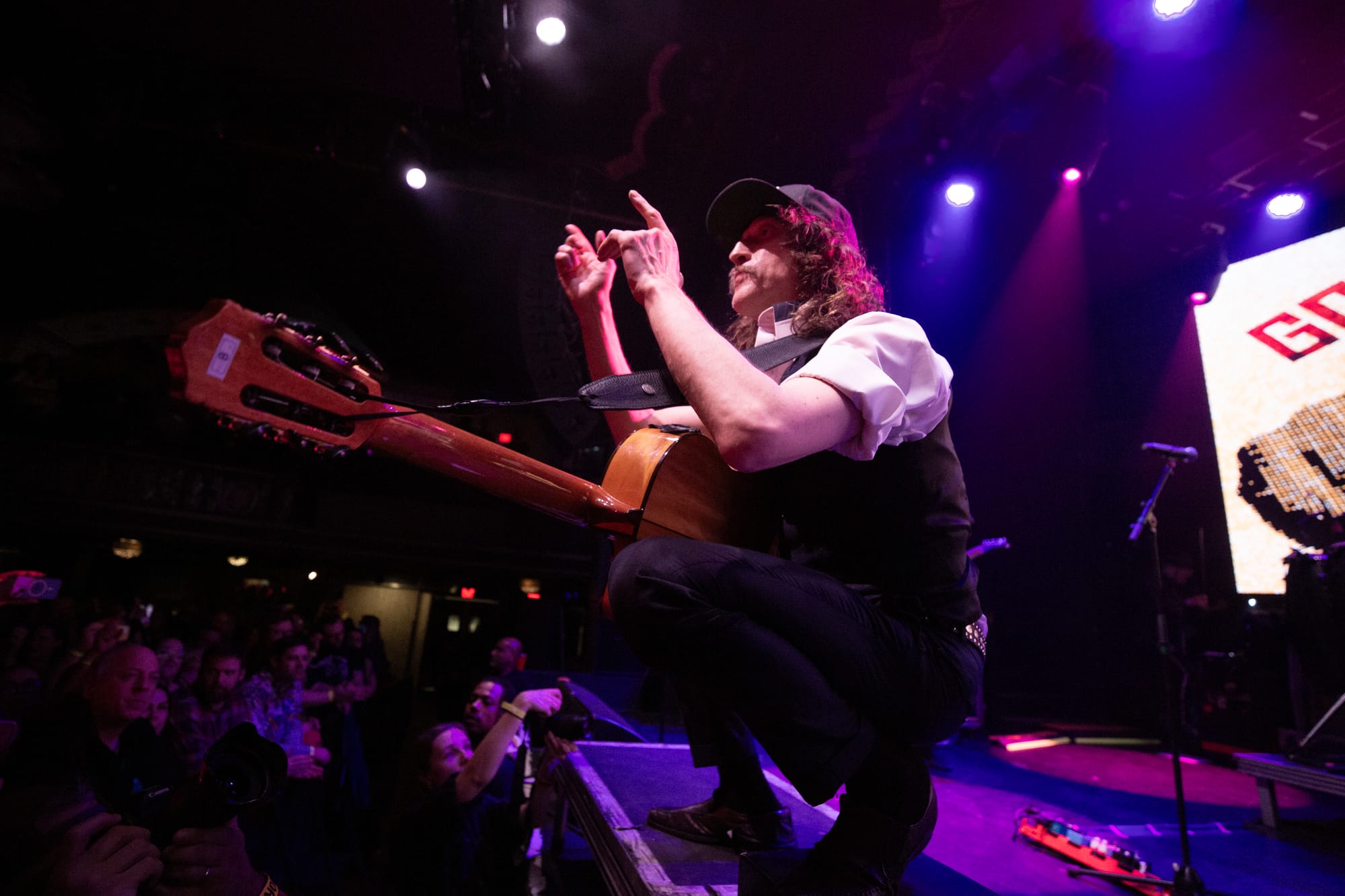
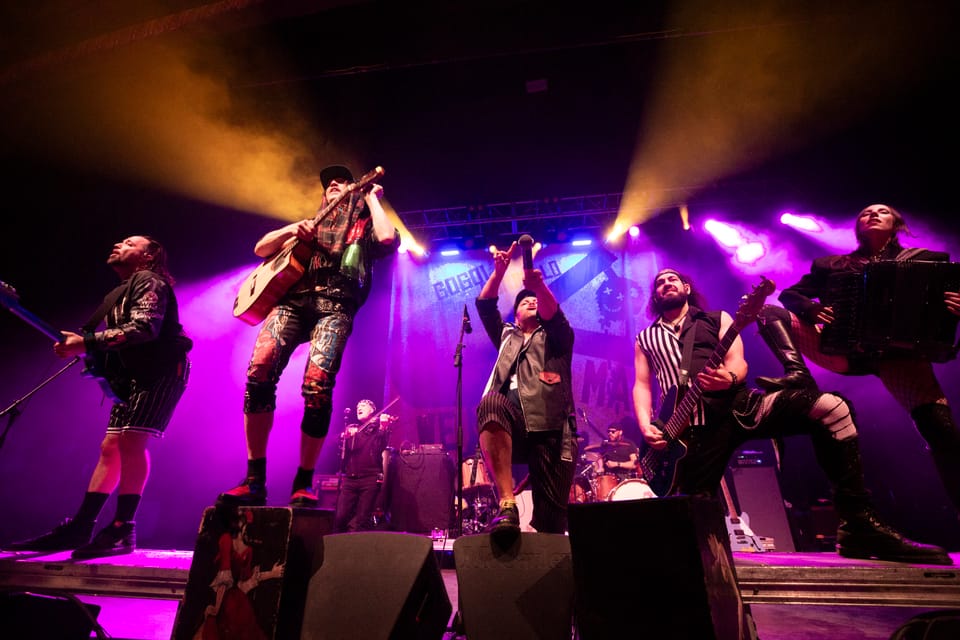
There’s a particular kind of alchemy at a Gogol Bordello show, where violin and accordion don’t soften the sound—they sharpen it. Eugene Hütz remains a force of nature, a charismatic ringmaster whipping the crowd into a frenzy, his presence equal parts preacher and punk. Around him, the band moved like a perfectly unruly machine. Sergey Ryabtsev’s violin and Erica Mancini’s accordion cut through the wall of sound with urgency and precision, while Pedro Erazo and Gil Alexandre drove a thunderous, global groove beneath it all. Korey Kingston, barely containing the pace, pushed the songs to the edge of collapse without ever letting them fall apart. Anchoring the chaos, lead guitarist Leo Mintek added a sharp, electric edge—his riffs slicing through the mix and giving the band’s swirling sound a harder, driving spine.
The set itself was relentless. Opening with “Ignition,” the band never allowed the crowd a moment to breathe. New tracks like the title song “We Mean It, Man!” and the defiant “Life Is Possible Again” felt instantly at home alongside staples like “Not a Crime” and “Wonderlust King.” Highlights came in waves: the explosive chaos of “Immigraniada,” the sweeping, folk-punk storytelling of “From Boyarka to Boyaca,” and the inevitable, floor-shaking eruption of “Start Wearing Purple,” which turned the entire venue into a single, jumping organism.
By the time the encore hit—“Crayons,” “Alcohol,” and “Undestructable”—the night had crossed from concert into something closer to collective release. Gogol Bordello doesn’t just play shows; they create a kind of communal catharsis. In a moment when the world often feels fractured, their “immigrant punk” ethos lands with urgency and purpose, reminding everyone in the room that unity can still be loud, messy, and joyful.
It was an unforgettable night—bruised ribs, hoarse voices, and all.
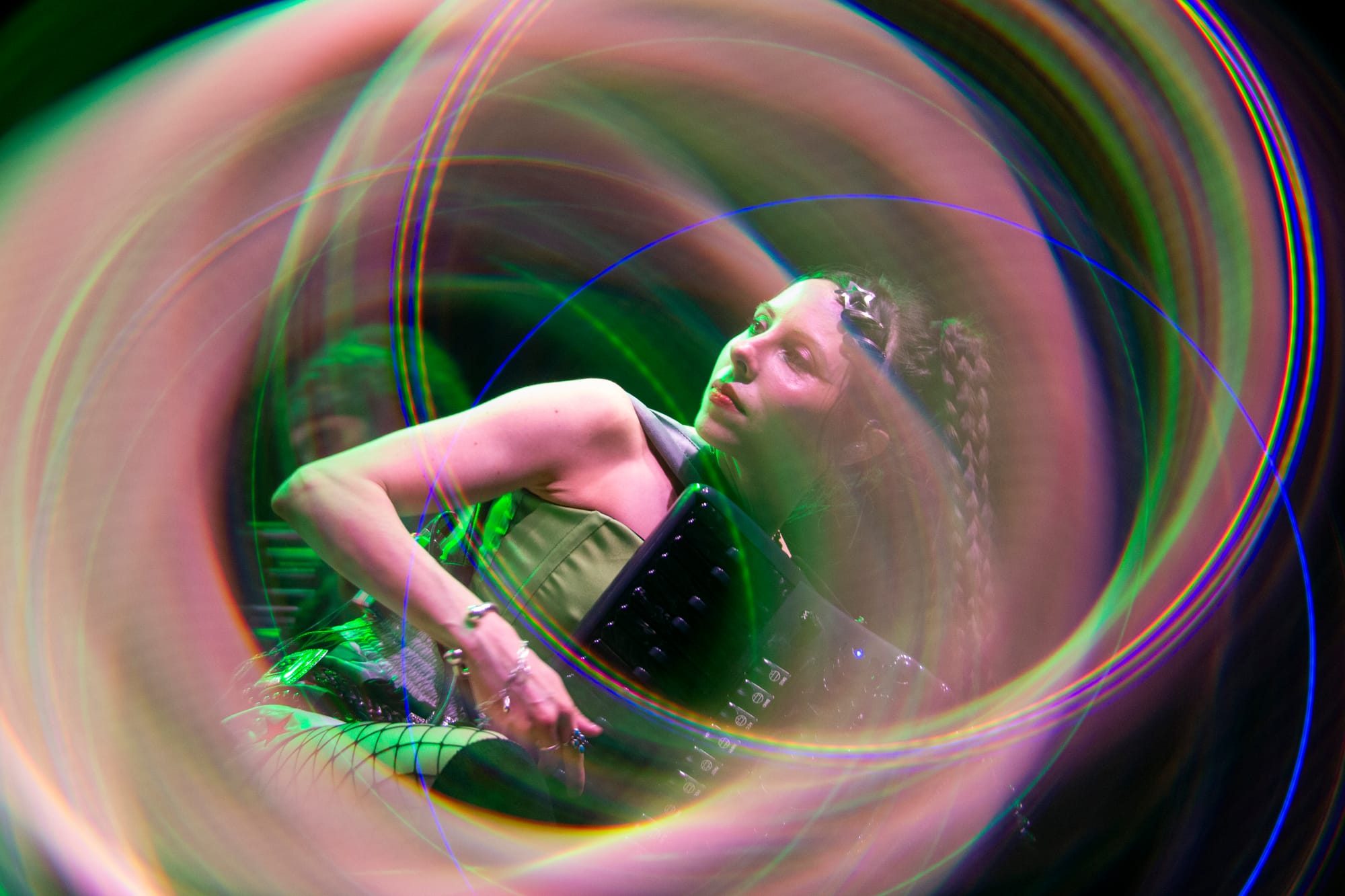
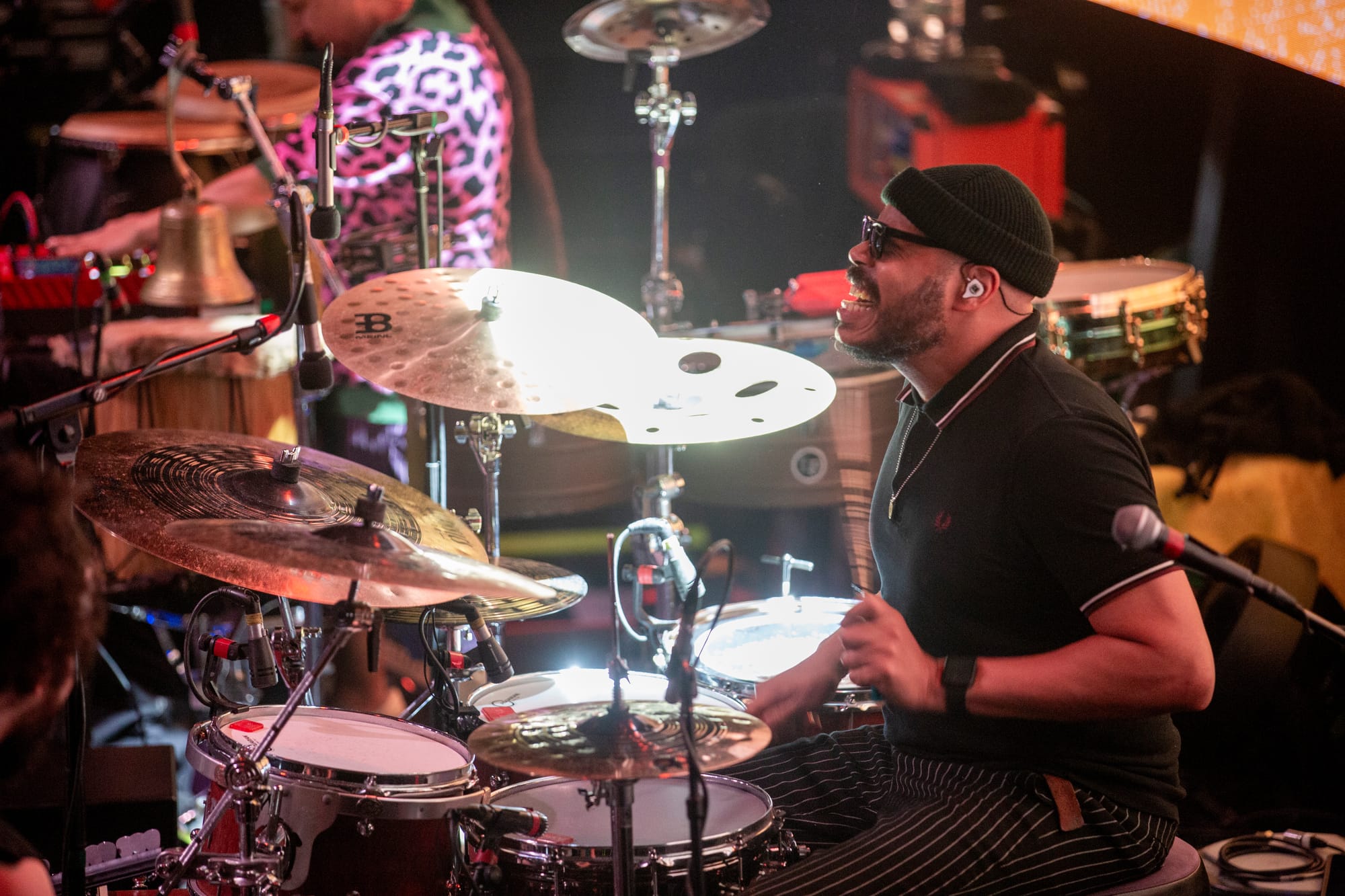
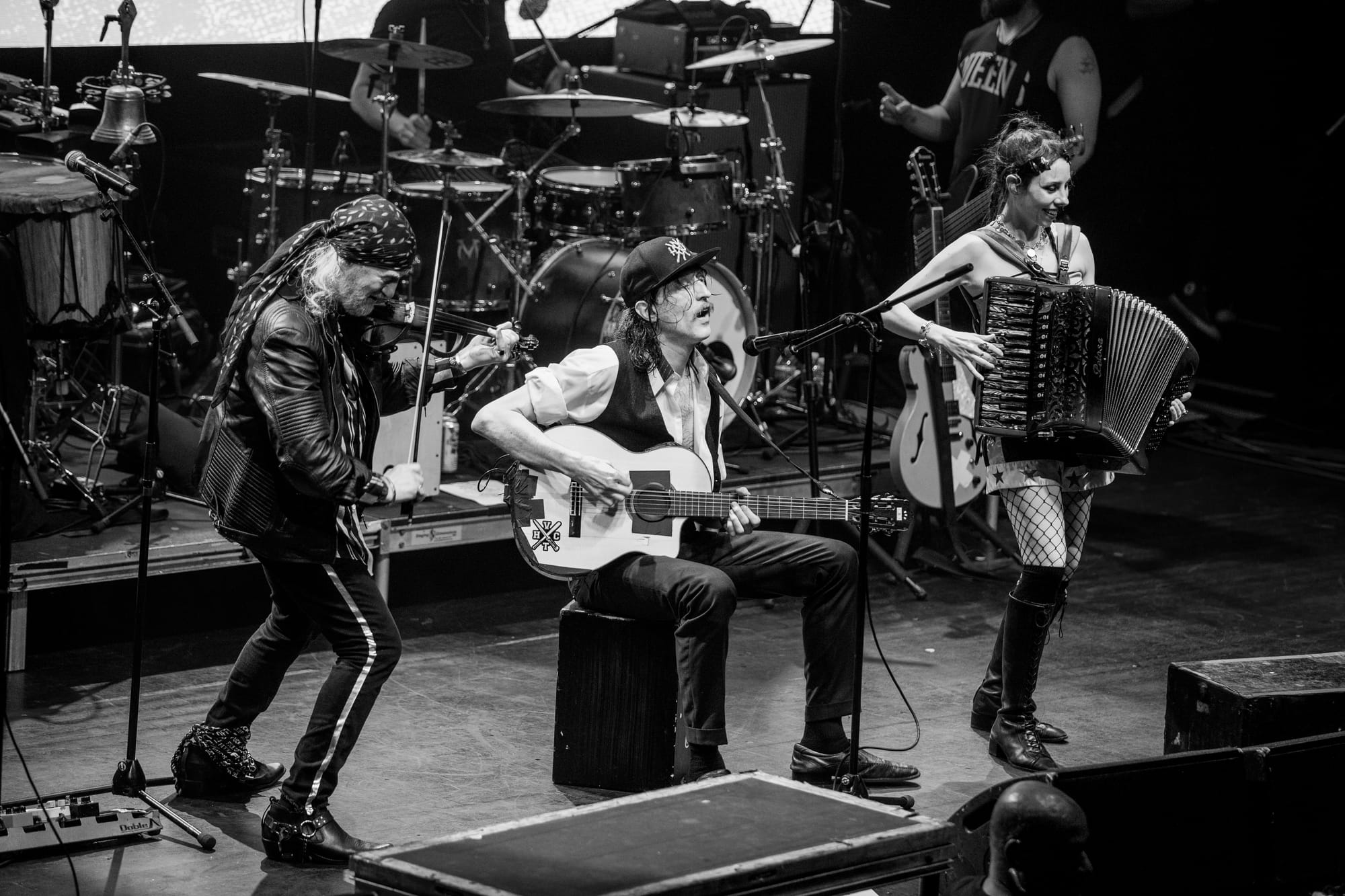
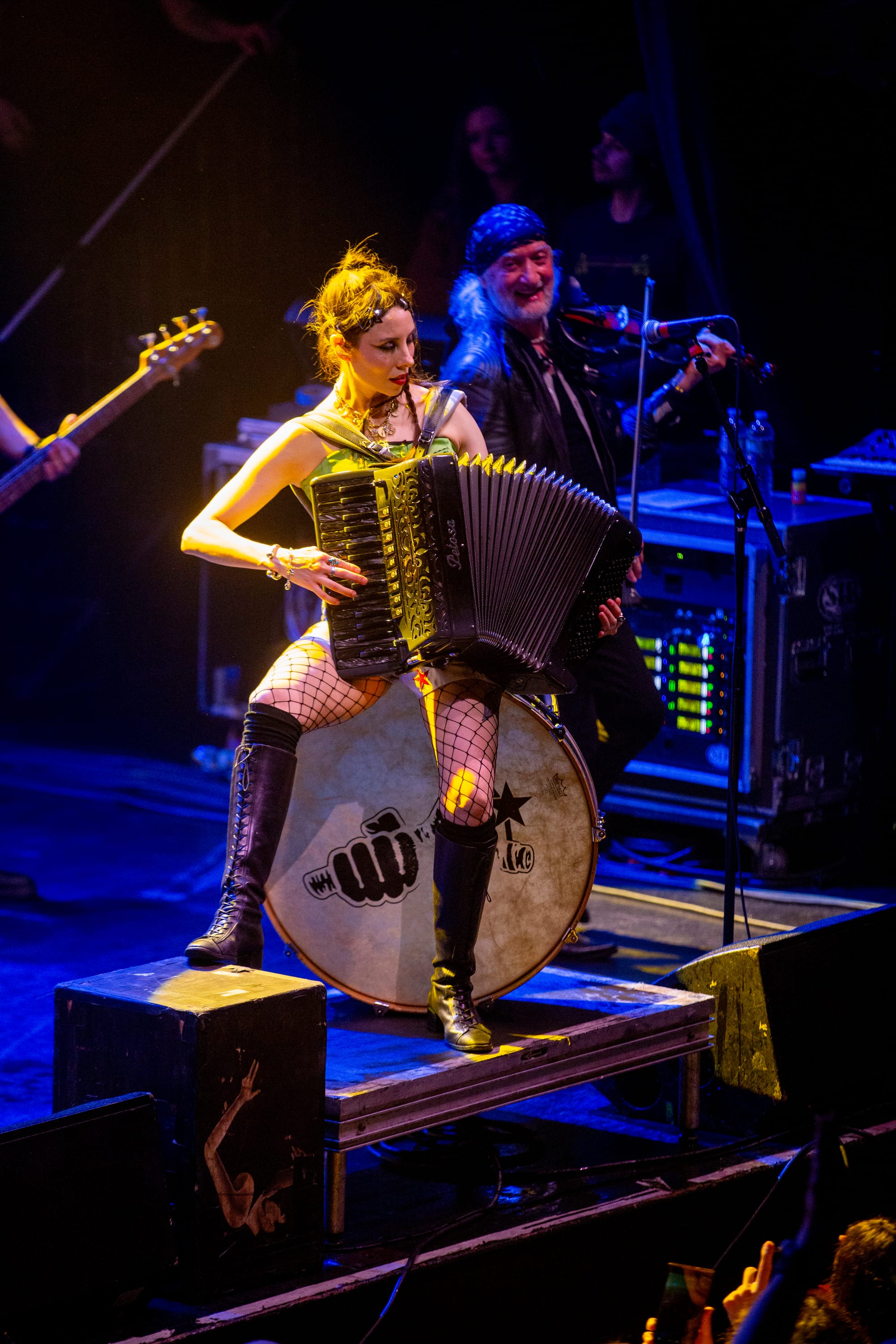
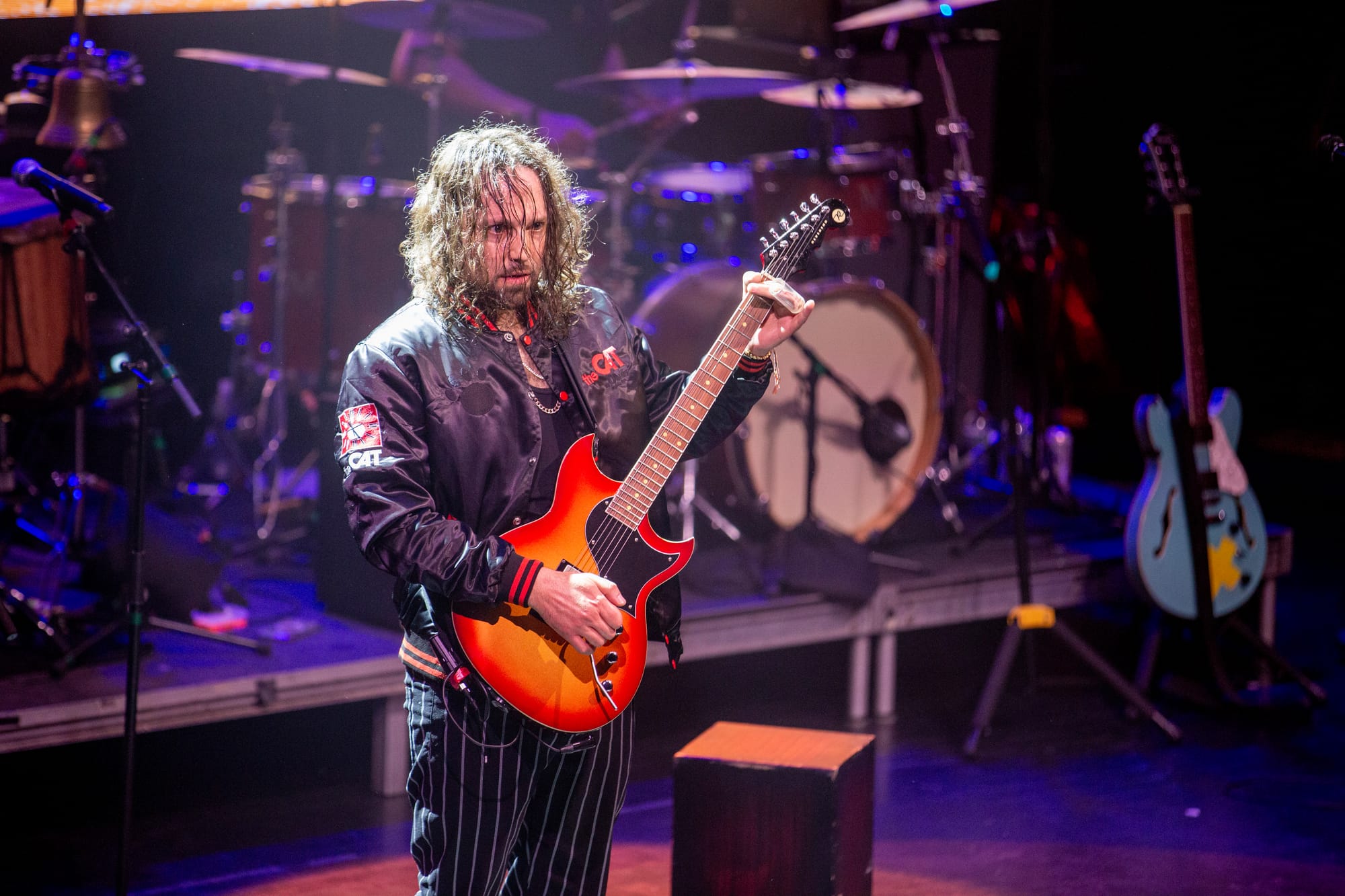
Gogol Bordello at the Royale March 25, 2026
Gary Alpert
Photojournalist