Hinterland 2026: Four Days That Proved the Festival Is About More Than the Lineup
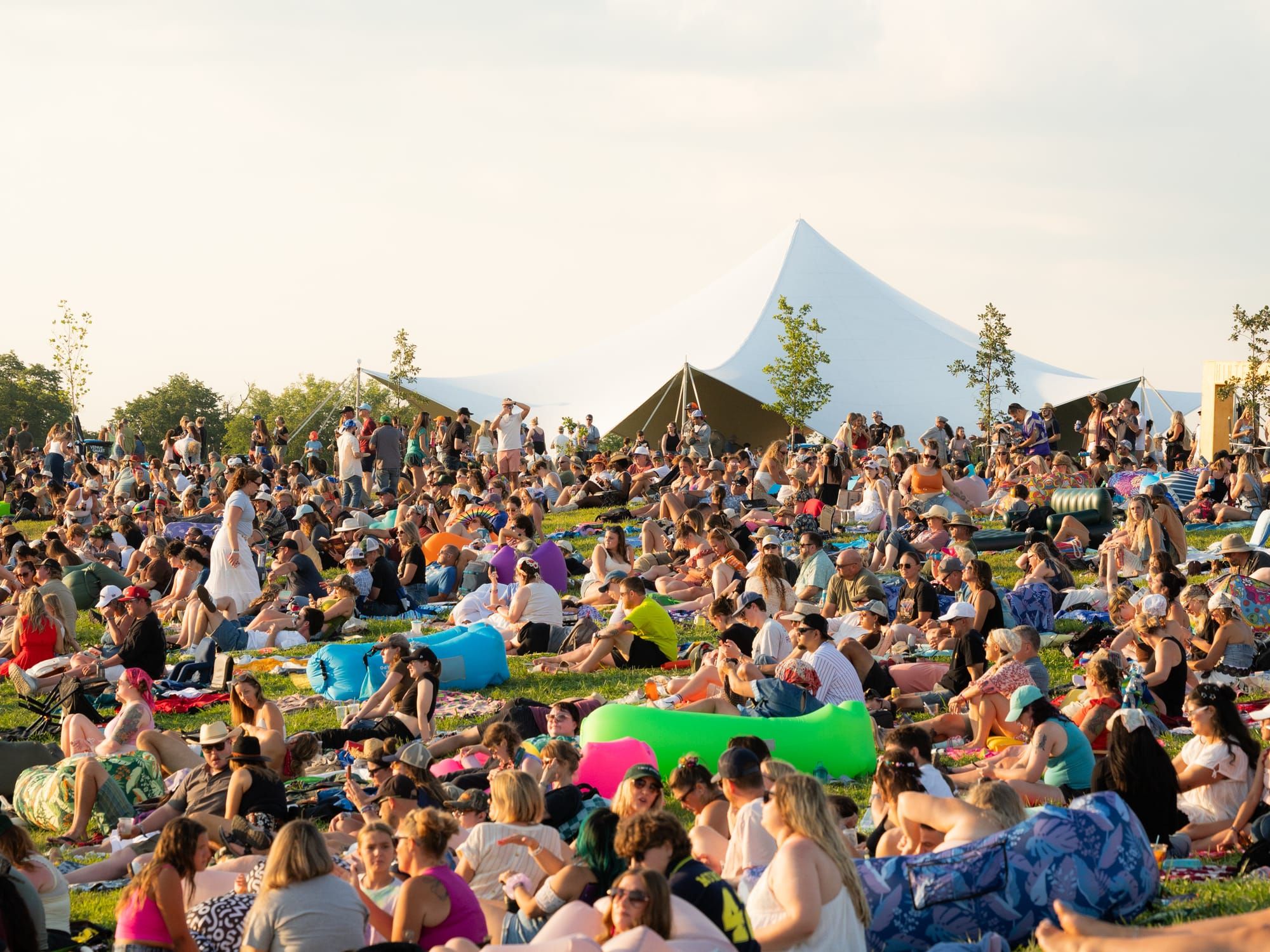
For four days, the hills of St. Charles, Iowa became a gathering place for music fans willing to spend an entire weekend chasing great performances, discovering unfamiliar artists and embracing everything that comes with being at Hinterland.
The 2026 edition of Hinterland had no shortage of major names. KATSEYE, Lorde, Mumford & Sons and Kali Uchis each brought a different identity to the festival's four headline slots, while the rest of the lineup moved freely between indie, pop, rock, country, R&B and electronic music.
But the strongest part of Hinterland wasn't necessarily found at the top of the poster. It was the atmosphere surrounding it.
The crowd came ready to listen. The grounds encouraged people to wander. The late-night programming kept the festival moving after the main stage went dark. And away from the music, food vendors, markets, Miniland, Basecamp and the festival's wooded trails gave attendees plenty of reasons to stay on the grounds.
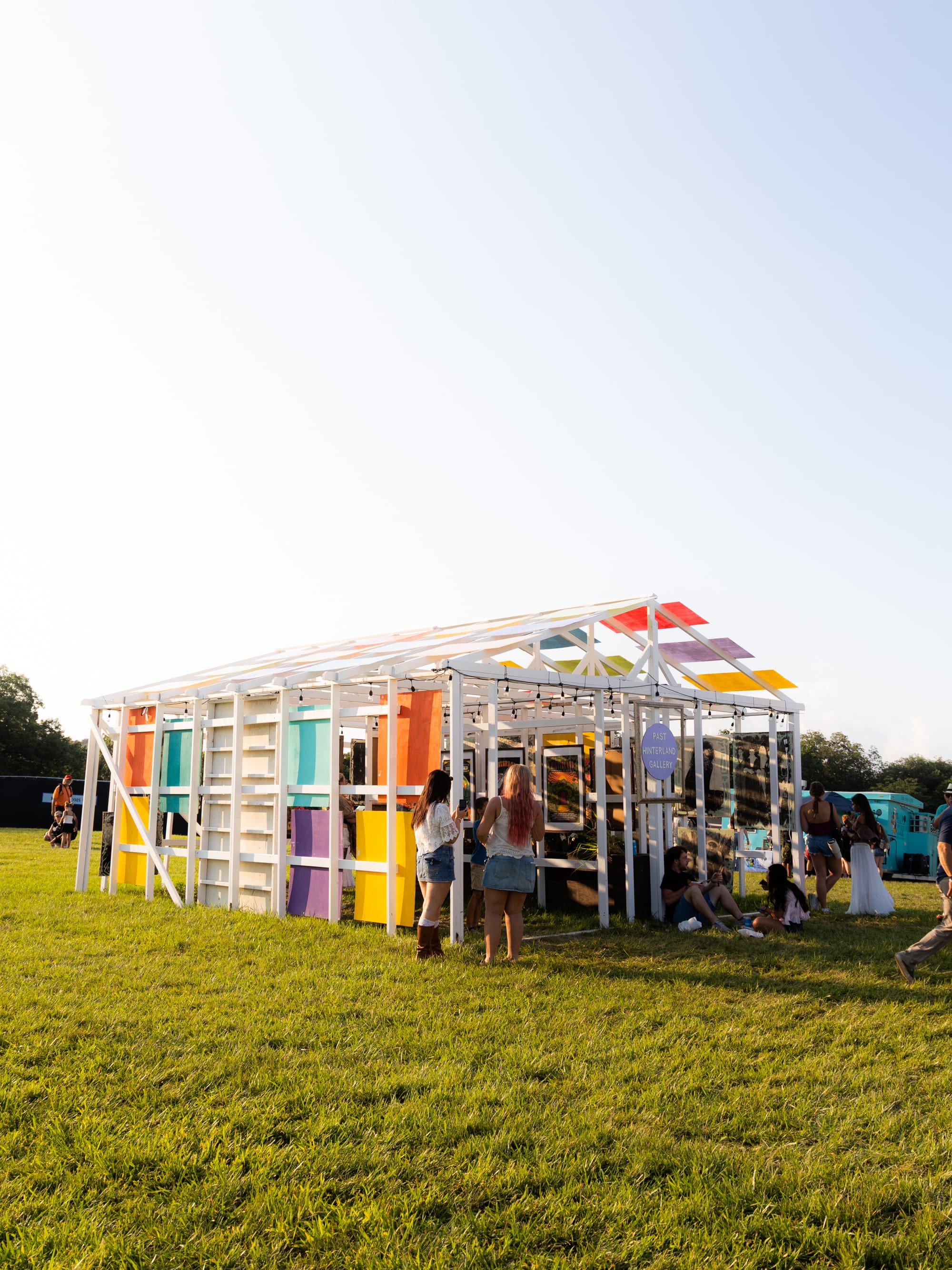
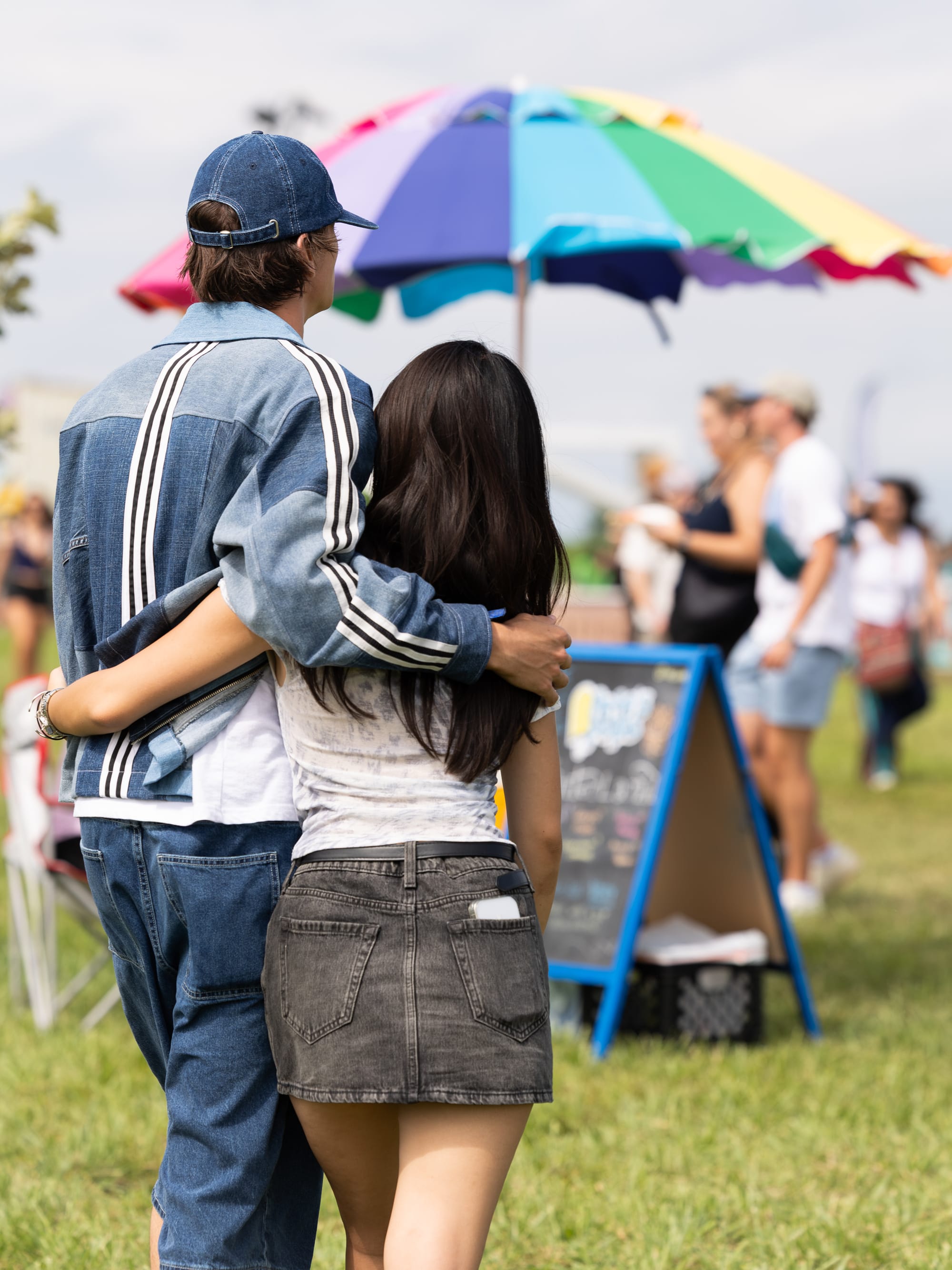
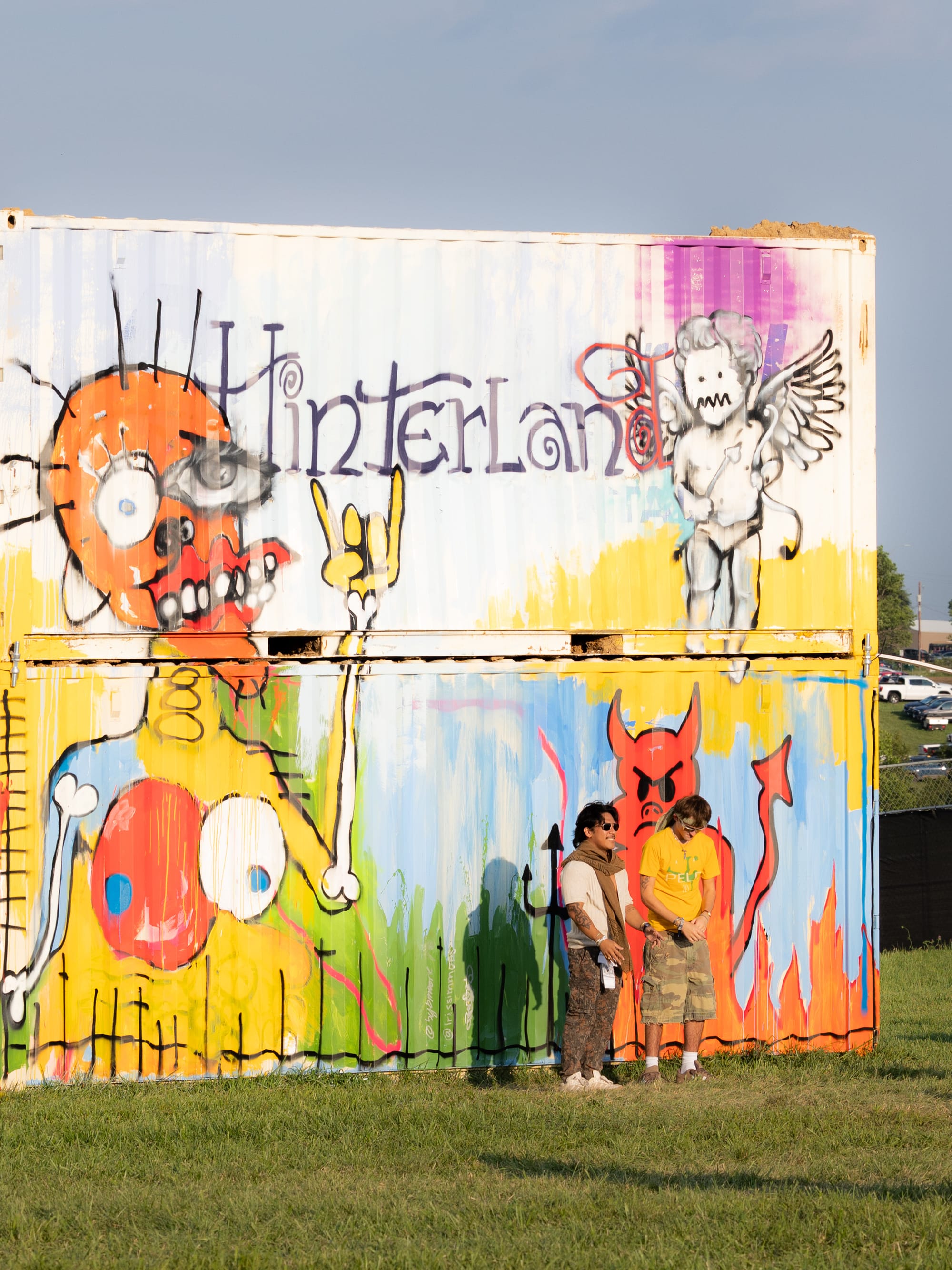
Photos by Noah Couitt
Hinterland opened its four-day run with a lineup that immediately established the festival's willingness to take chances.
Thursday moved between the experimental sounds of Oklou and Jane Remover, the alternative R&B of Audrey Nuna, the unmistakable energy of ASHNIKKO and the indie-rock sound of beabadoobee. Rather than feeling like a warm-up for the weekend's bigger headliners, the opening day had an identity of its own.
beabadoobee was one of the day's standout performances, bringing a strong live-band presence to the stage and drawing a crowd that continued to grow throughout the afternoon.
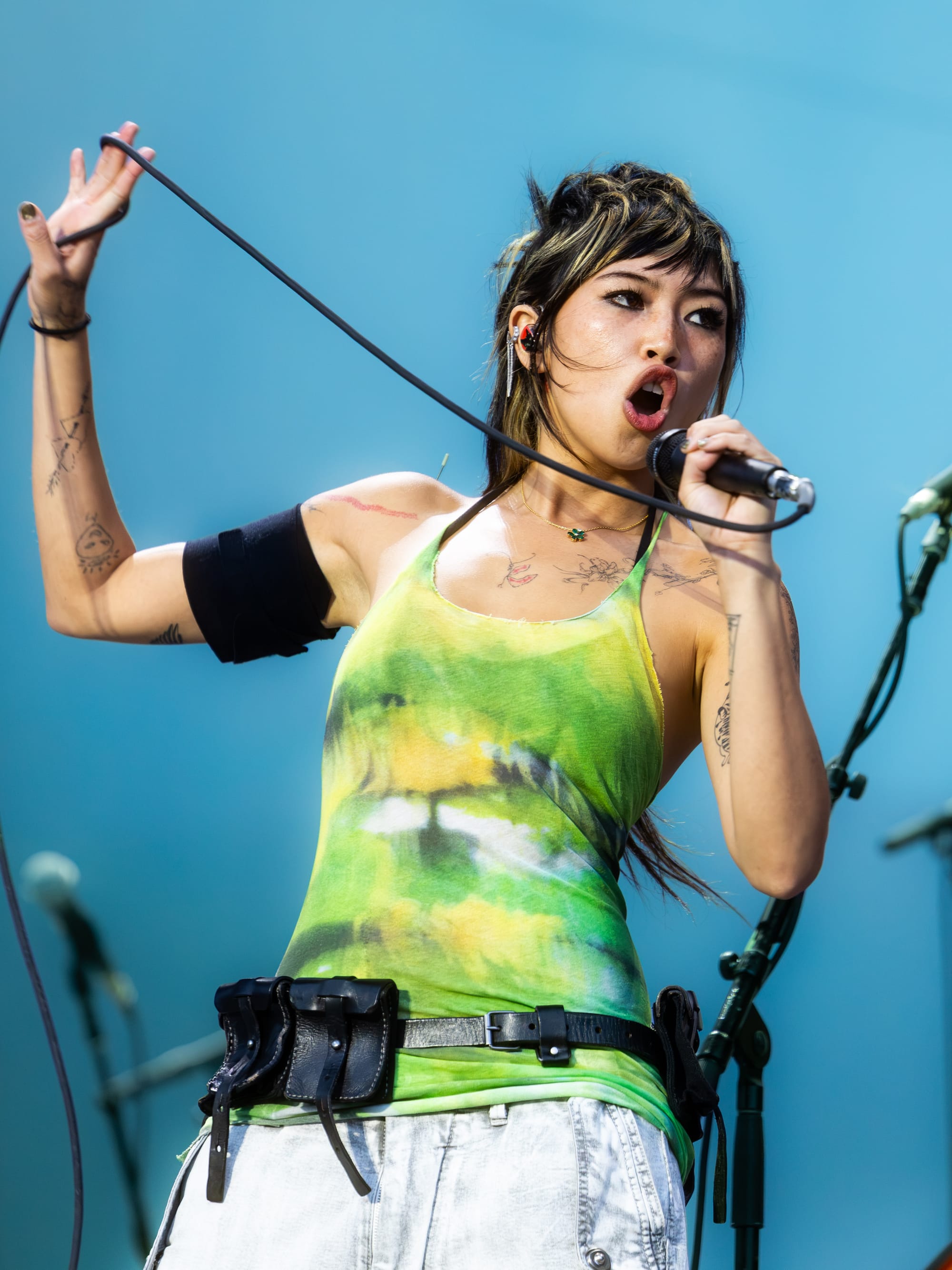
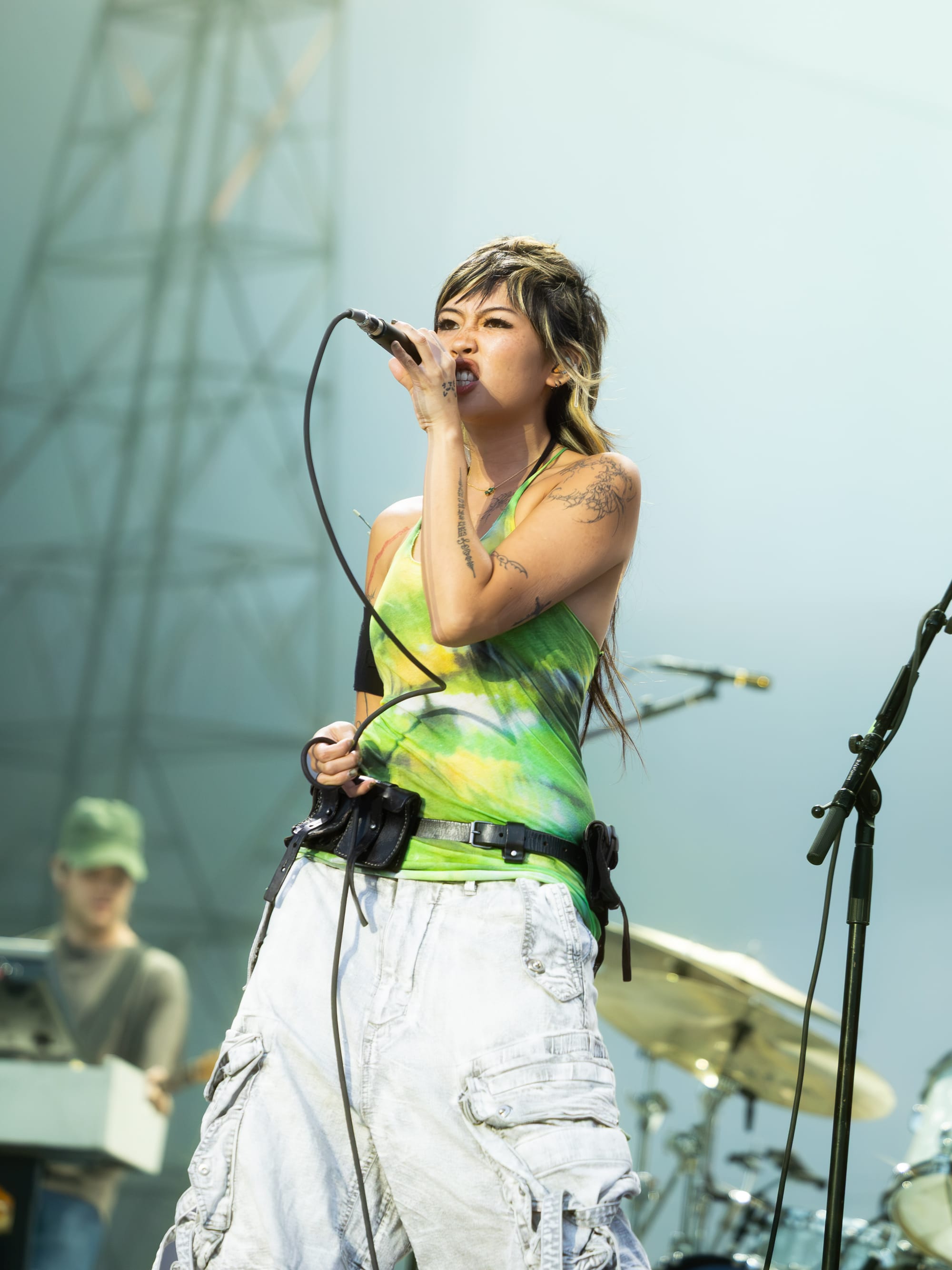
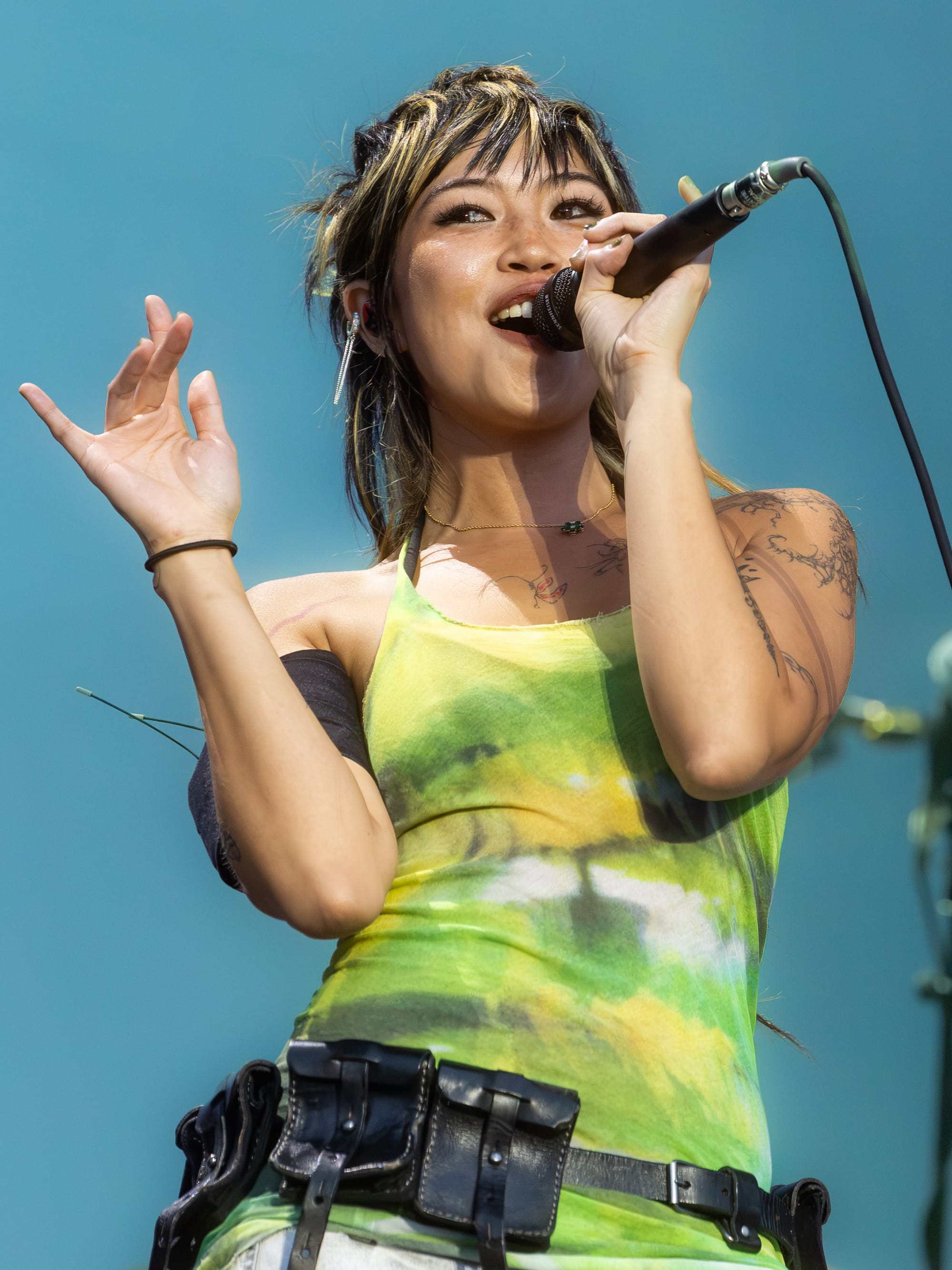
Photos by Noah Couitt
By nighttime, the atmosphere had shifted completely.
KATSEYE brought a younger, intensely devoted audience to the festival and delivered one of the weekend's most visually driven performances. The group's choreography and polished production were a sharp contrast to many of the more stripped-back performances earlier in the day, giving Thursday an appropriately energetic conclusion.
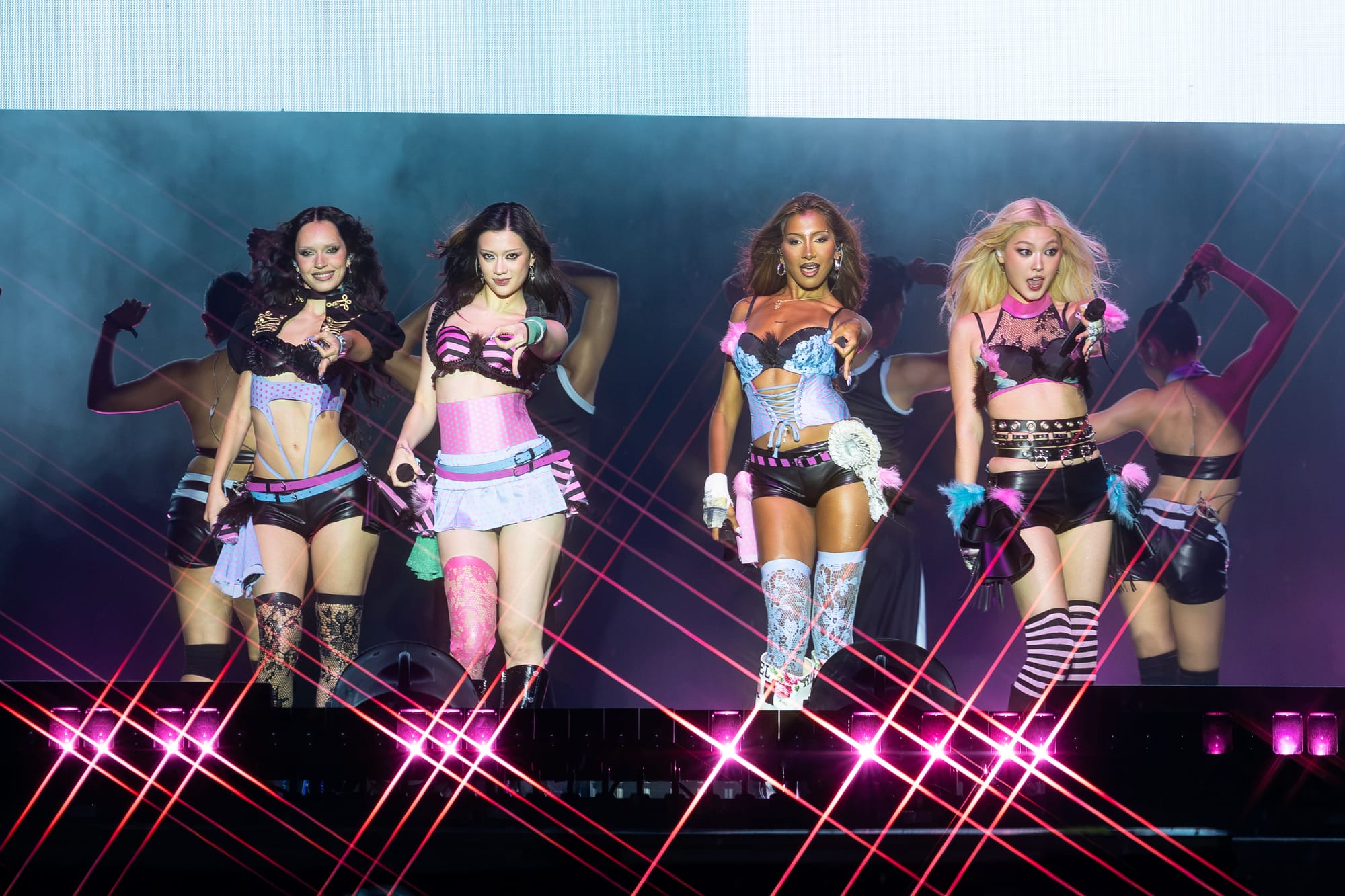
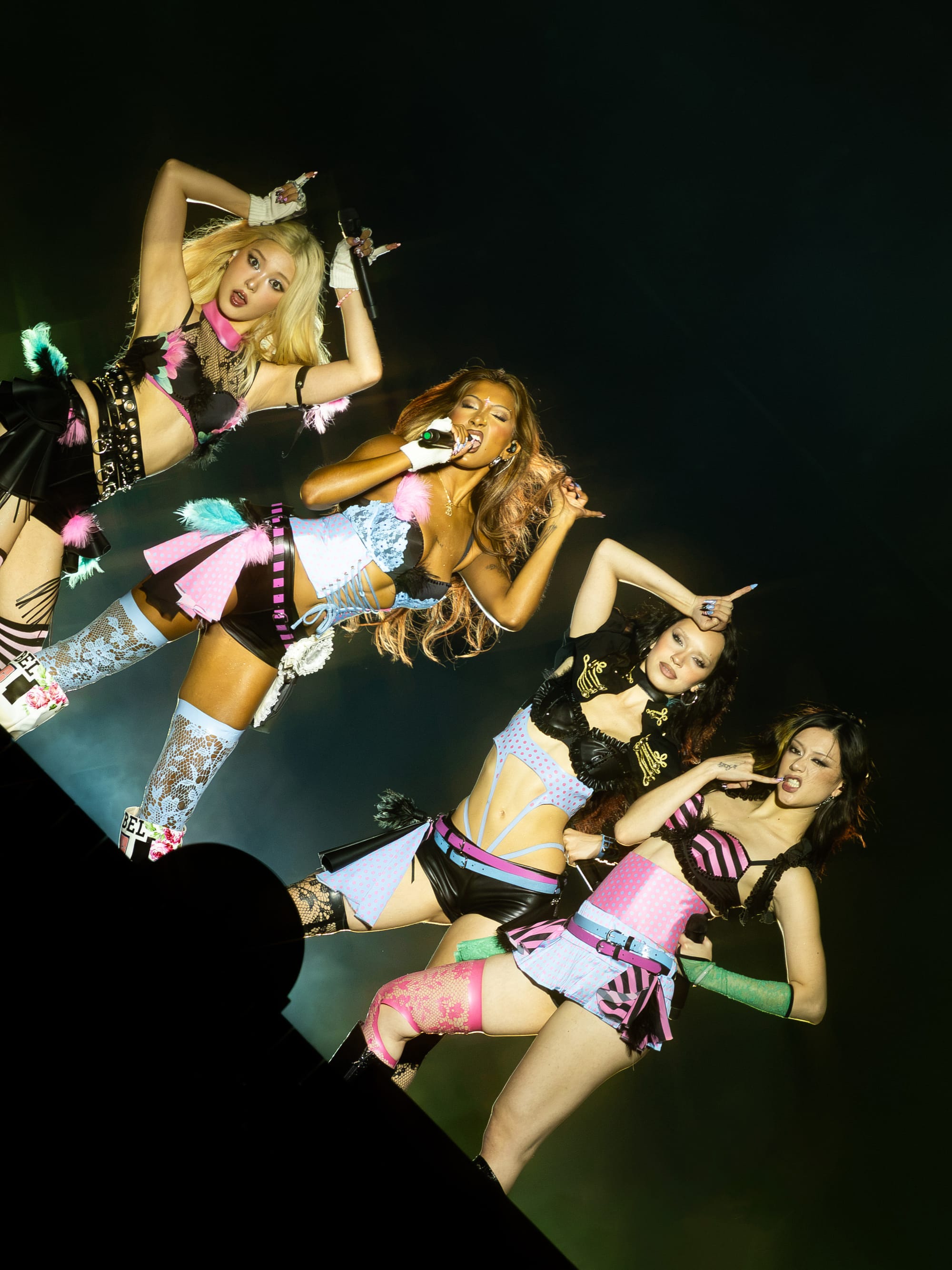
Photos by Noah Couitt
The first night also offered the first taste of Hinterland's late-night programming, with Nourished by Time and Pixel Grip taking over the Campfire Stage after the main stage wrapped.
It was a strong opening to a weekend that would continue to change shape from day to day.
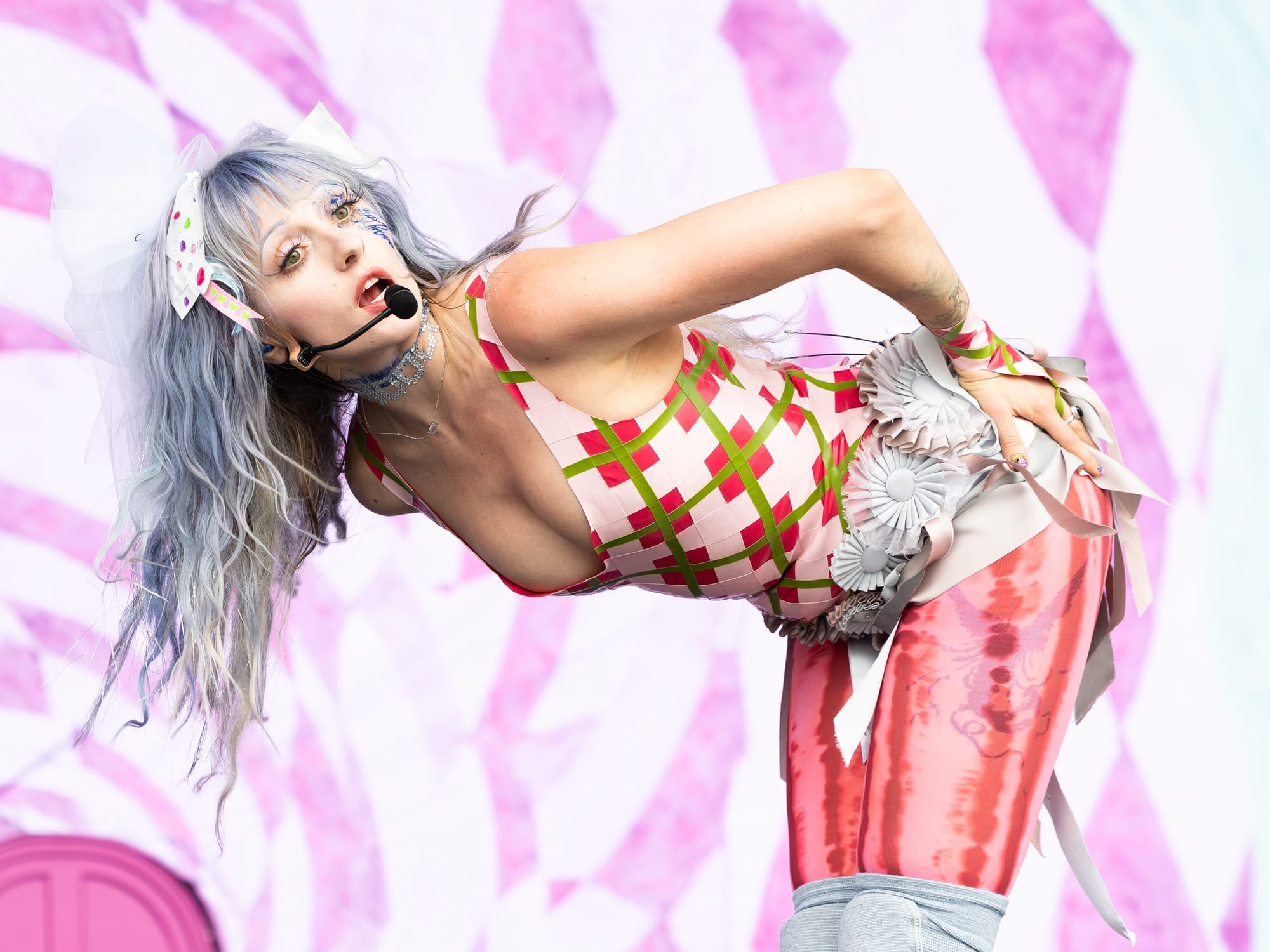
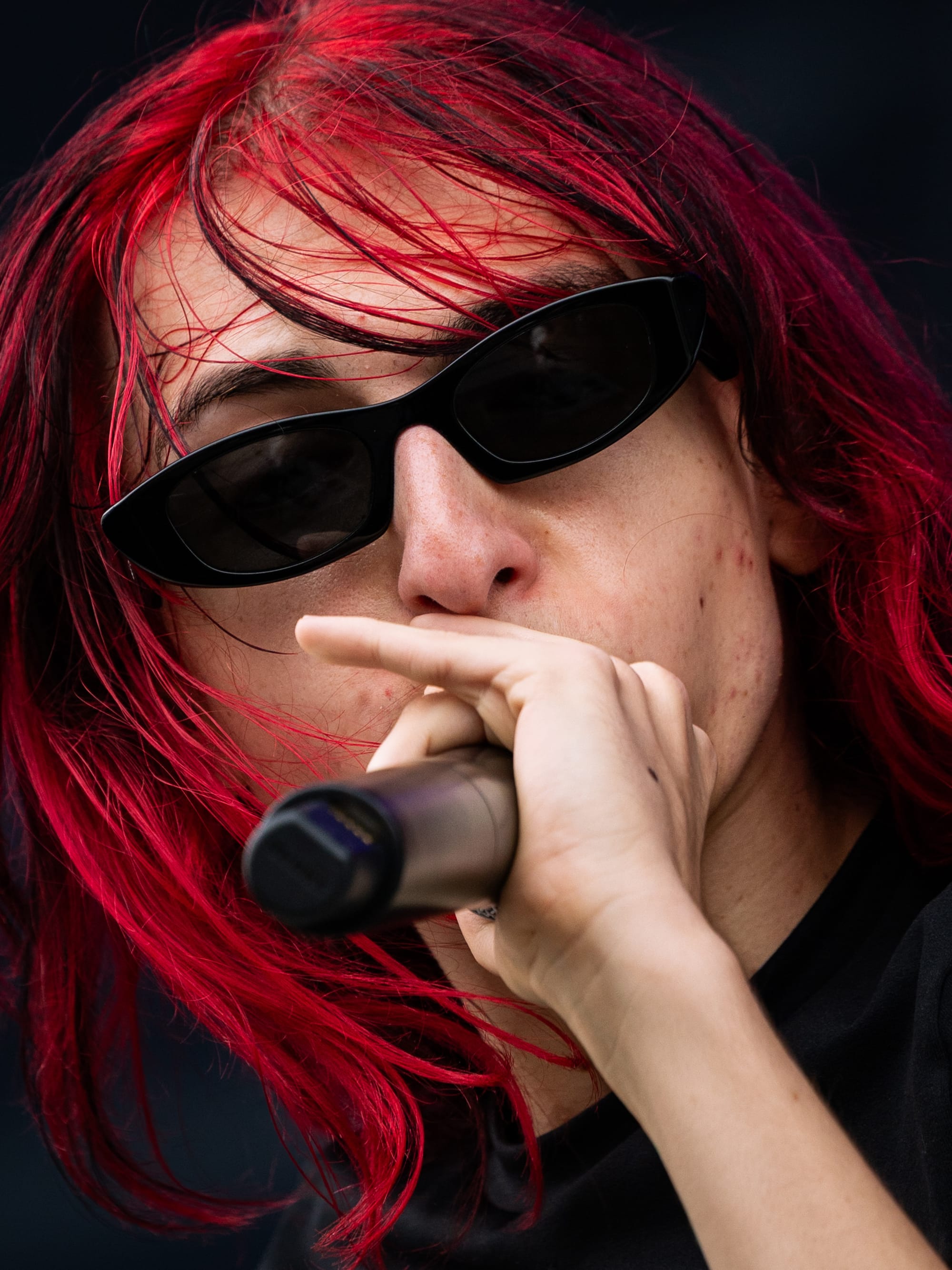
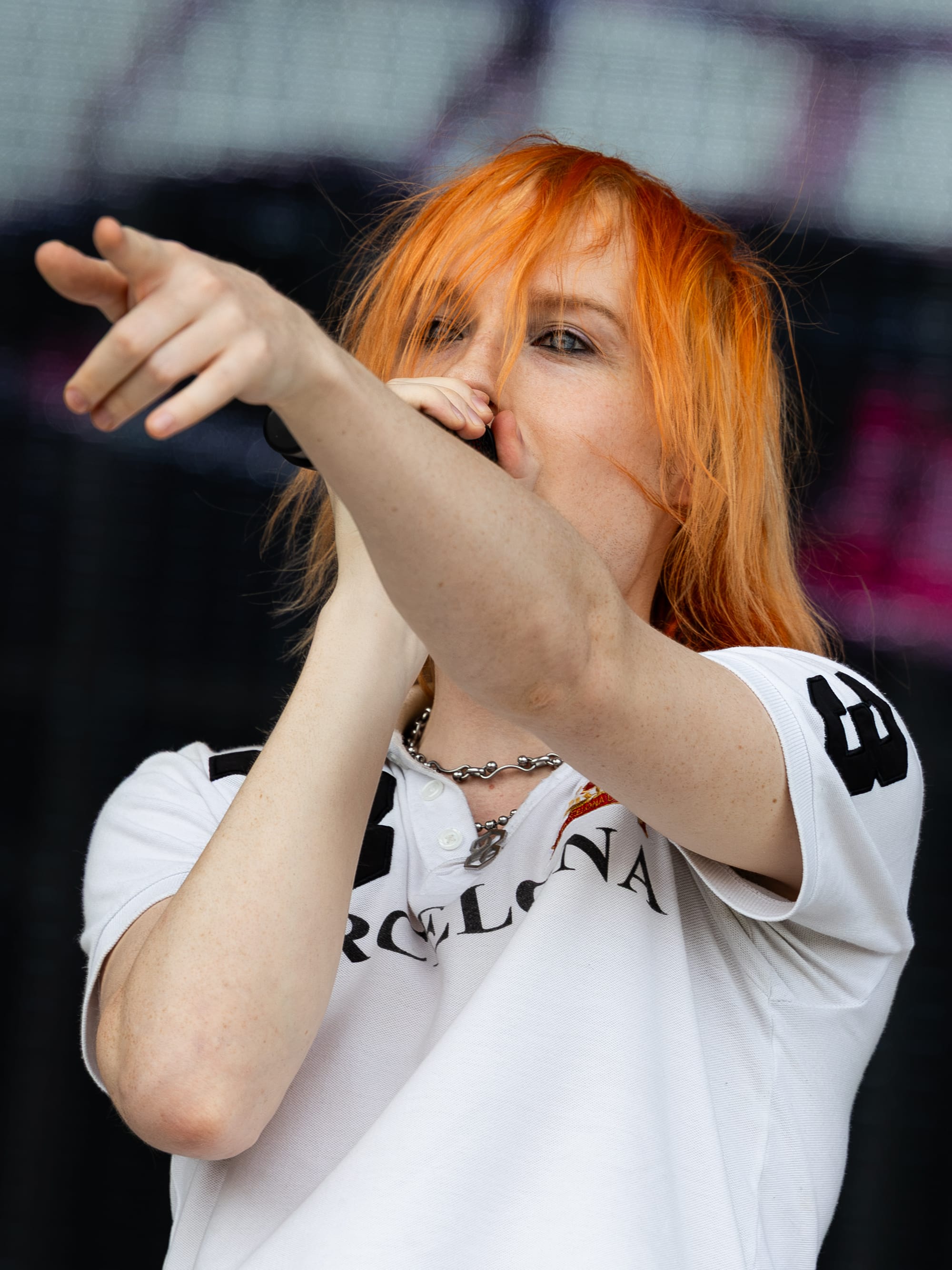
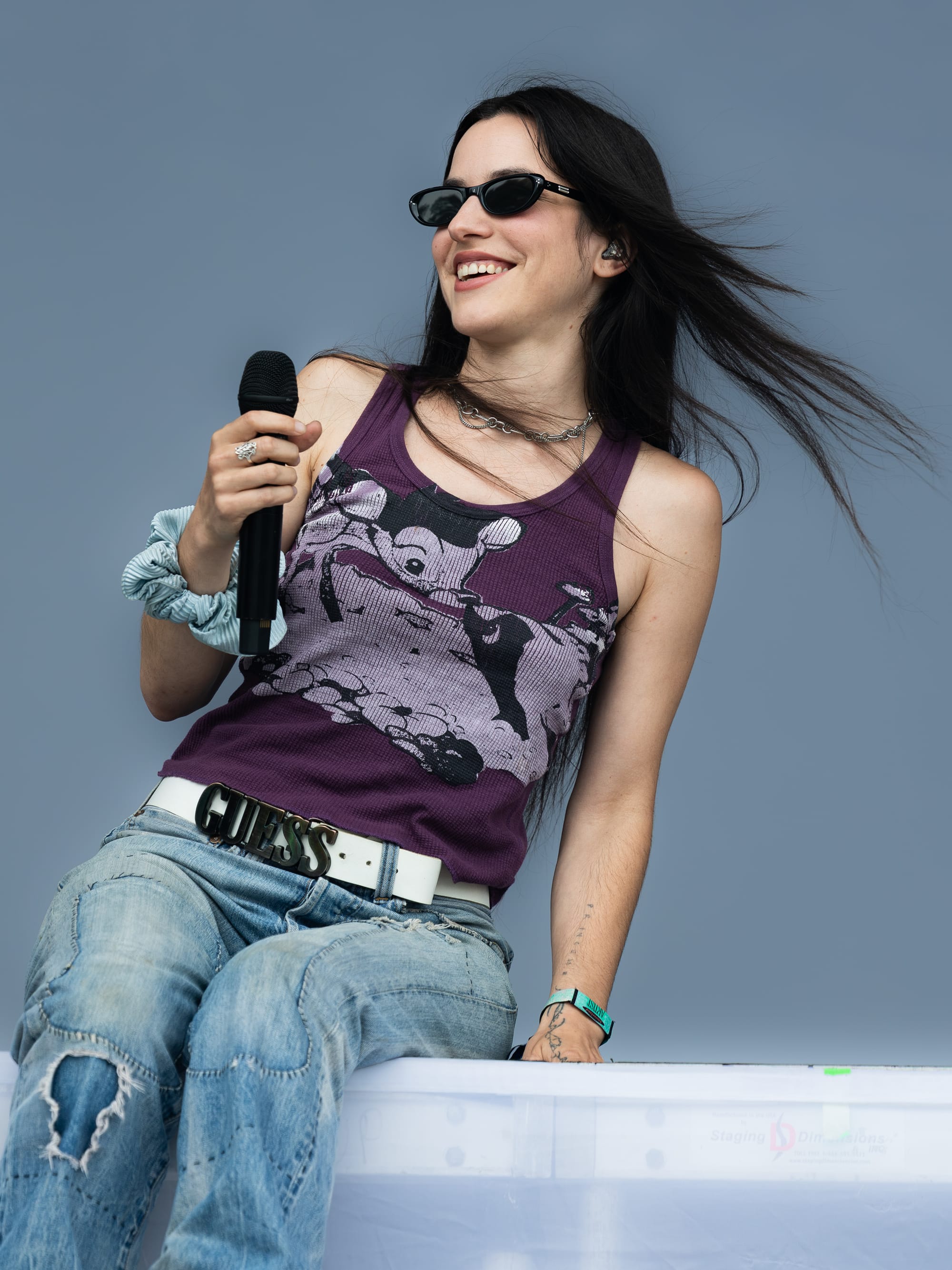
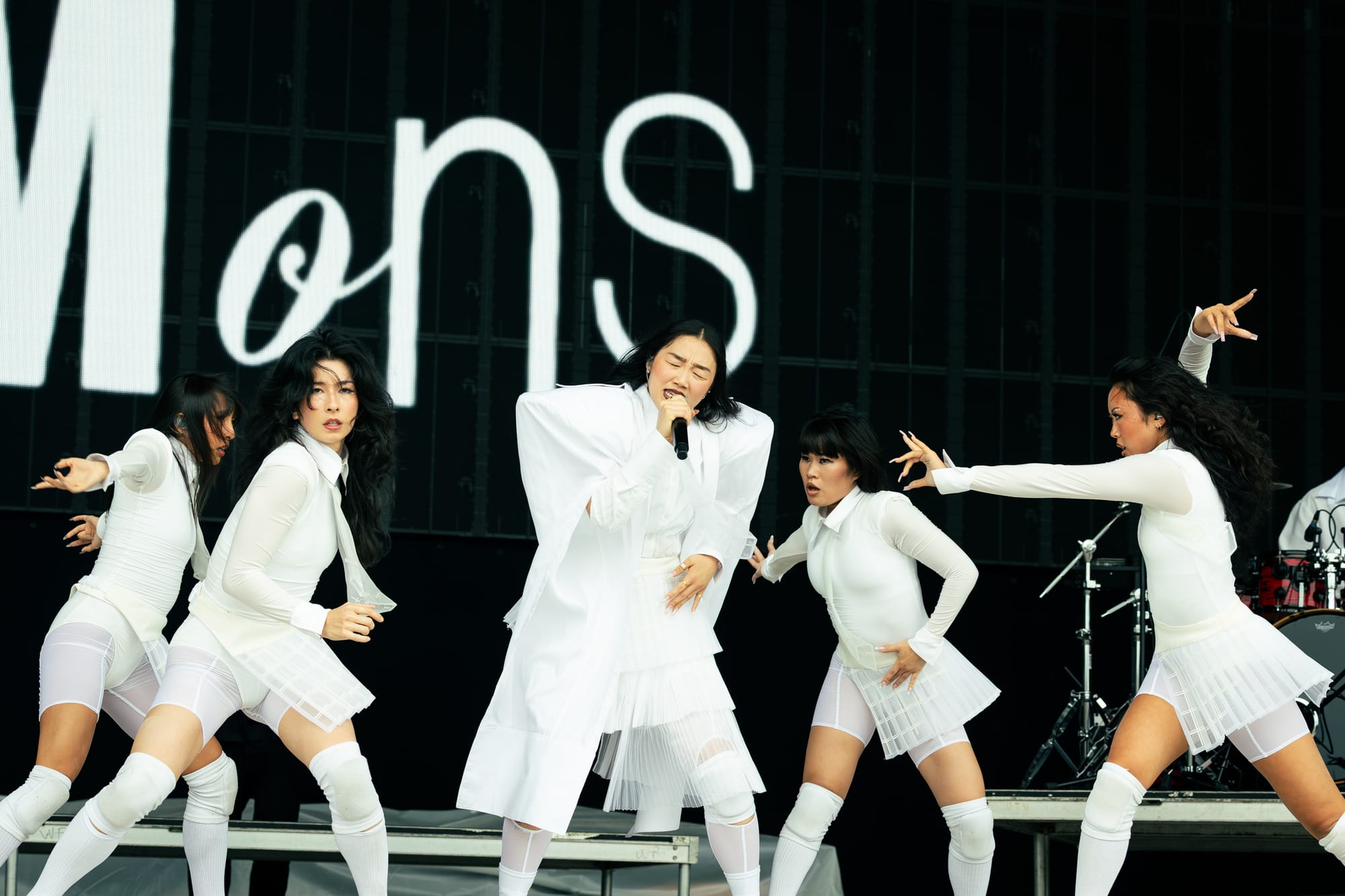
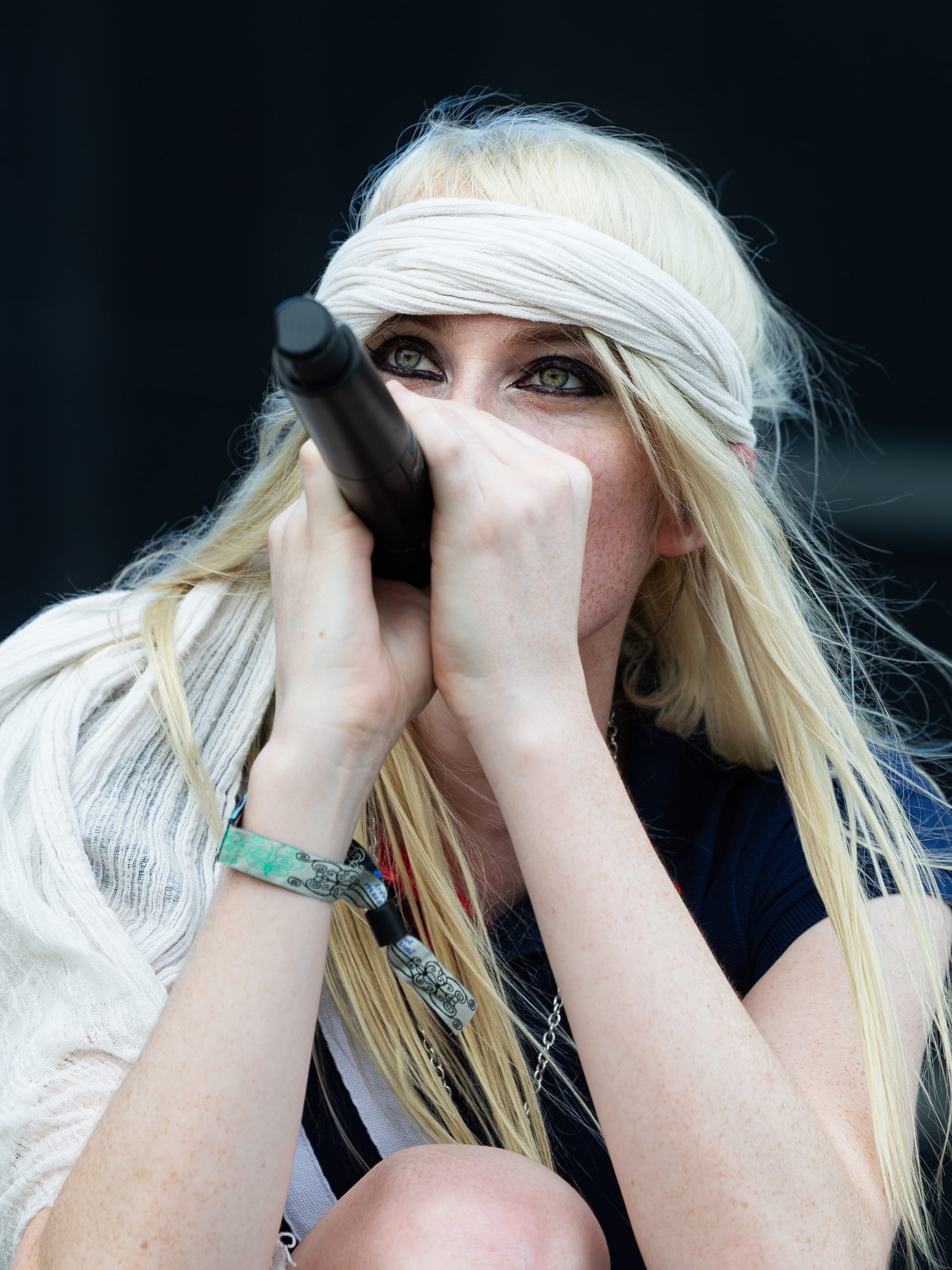
Photos by Noah Couitt
Friday brought some of the most unpredictable conditions of the weekend, but the weather never managed to derail the festival.
Fans continued to pack the grounds through the rain, with SOFIA ISELLA, Paris Paloma, Snow Strippers and MUNAproviding plenty of variety throughout the day.
MUNA stood out as one of the afternoon's strongest crowd moments, while Snow Strippers pushed the festival into darker electronic territory. Paris Paloma provided a quieter contrast, allowing the day to move between high-energy performances and more intimate songwriting.
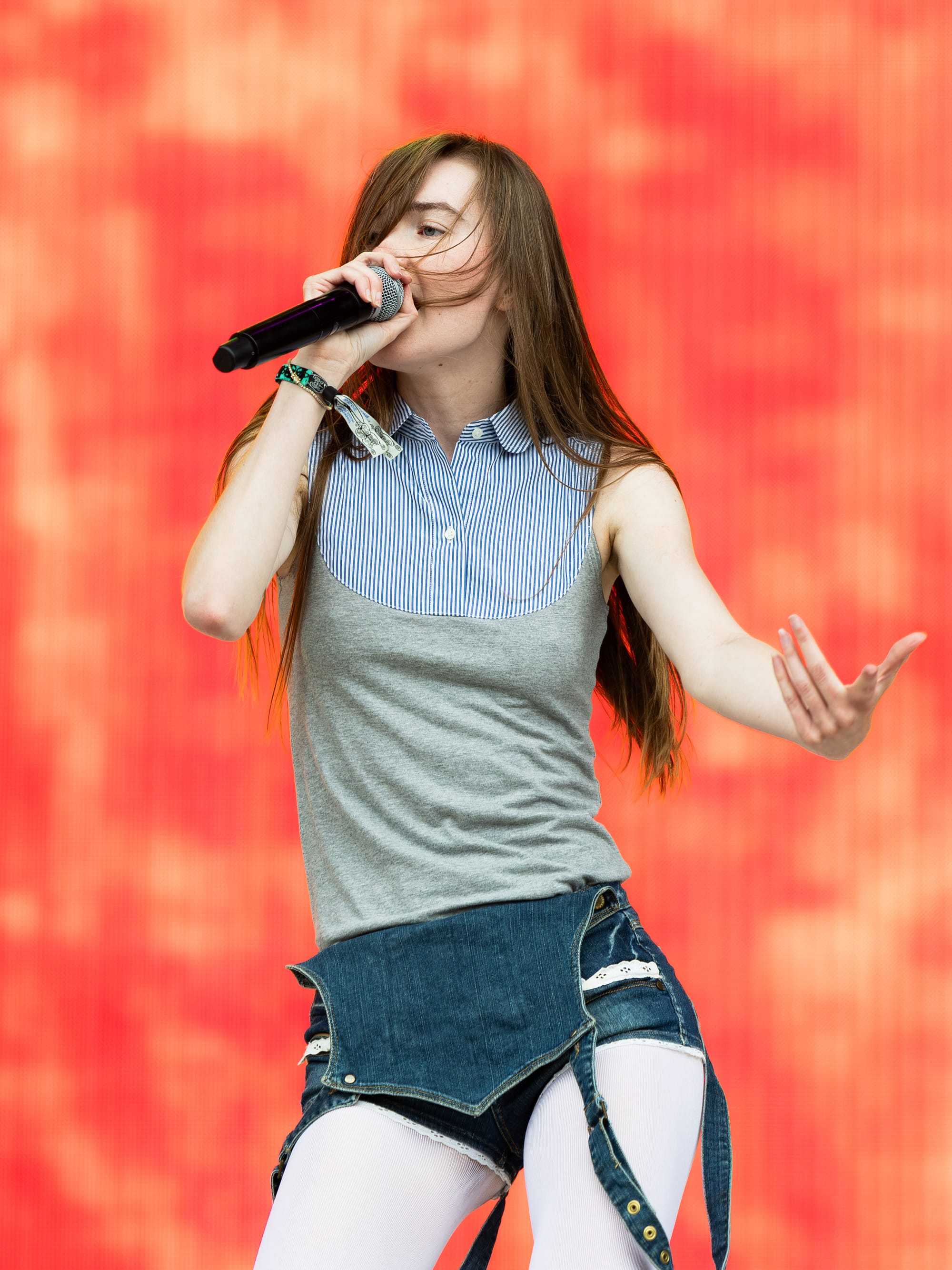
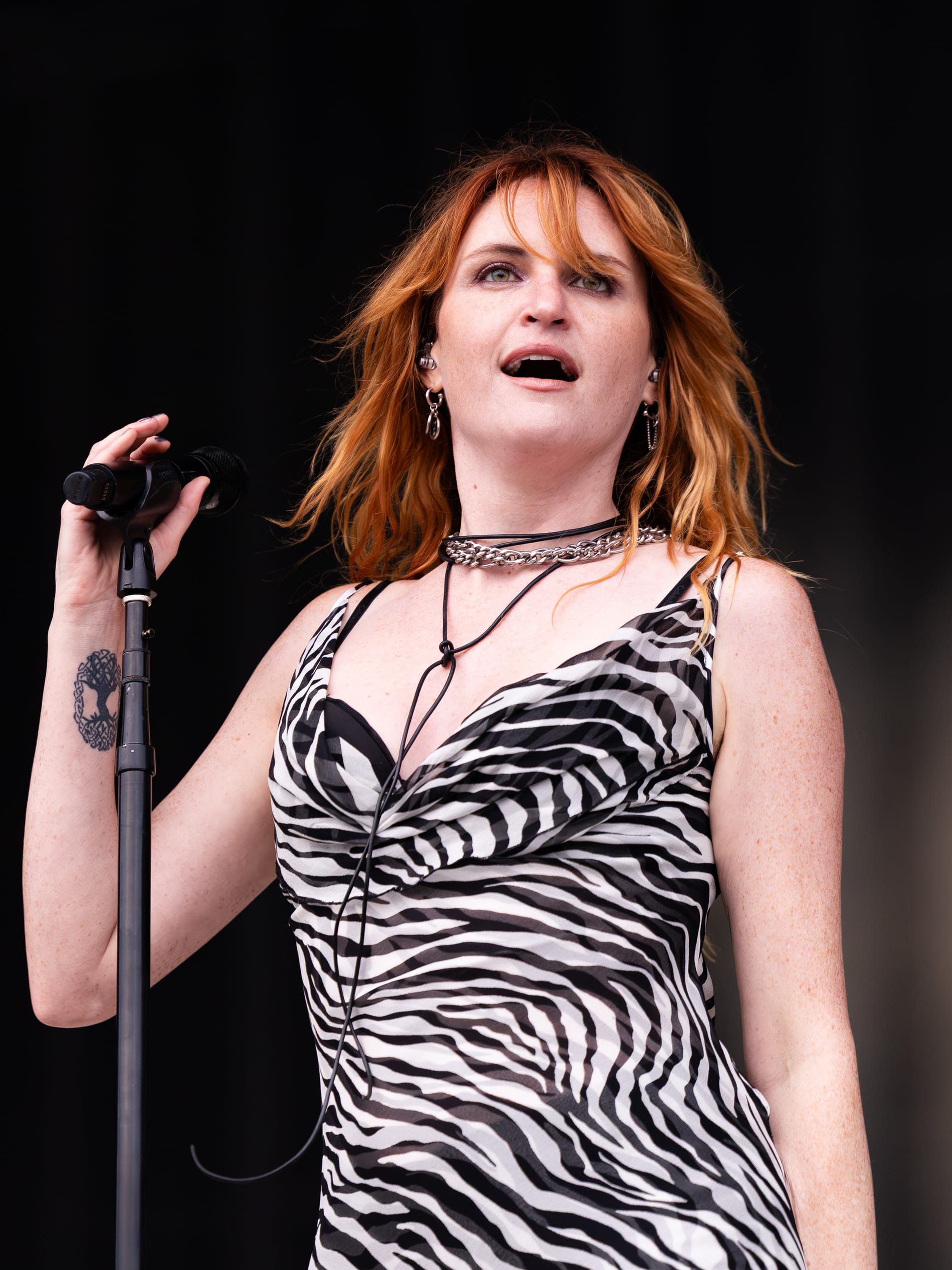
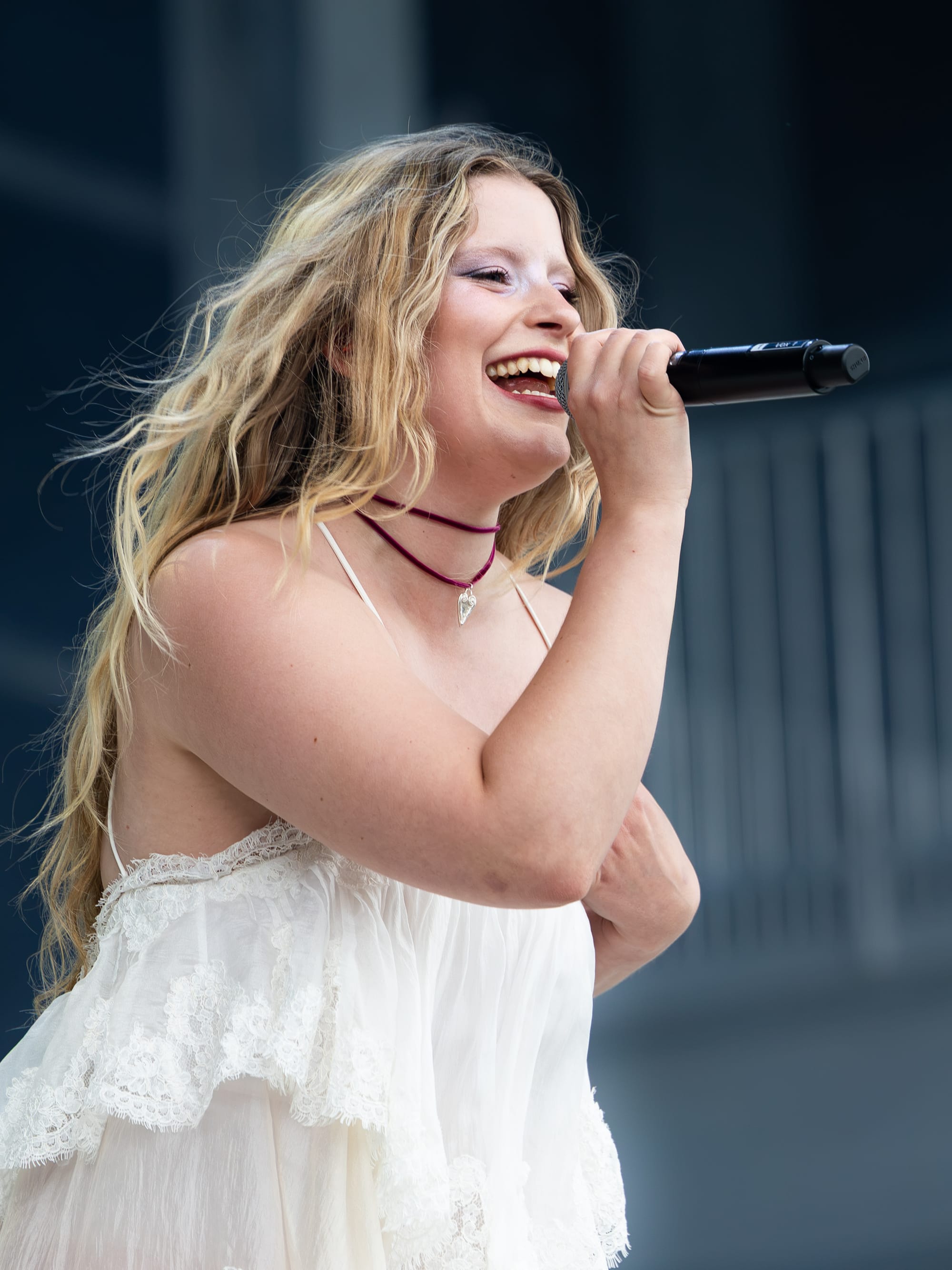
Photos by Noah Couitt
Then came Lorde.
The headliner arrived with a production noticeably larger in scale than many of the day's earlier sets, but it was the interaction between Lorde and the audience that ultimately defined the performance.
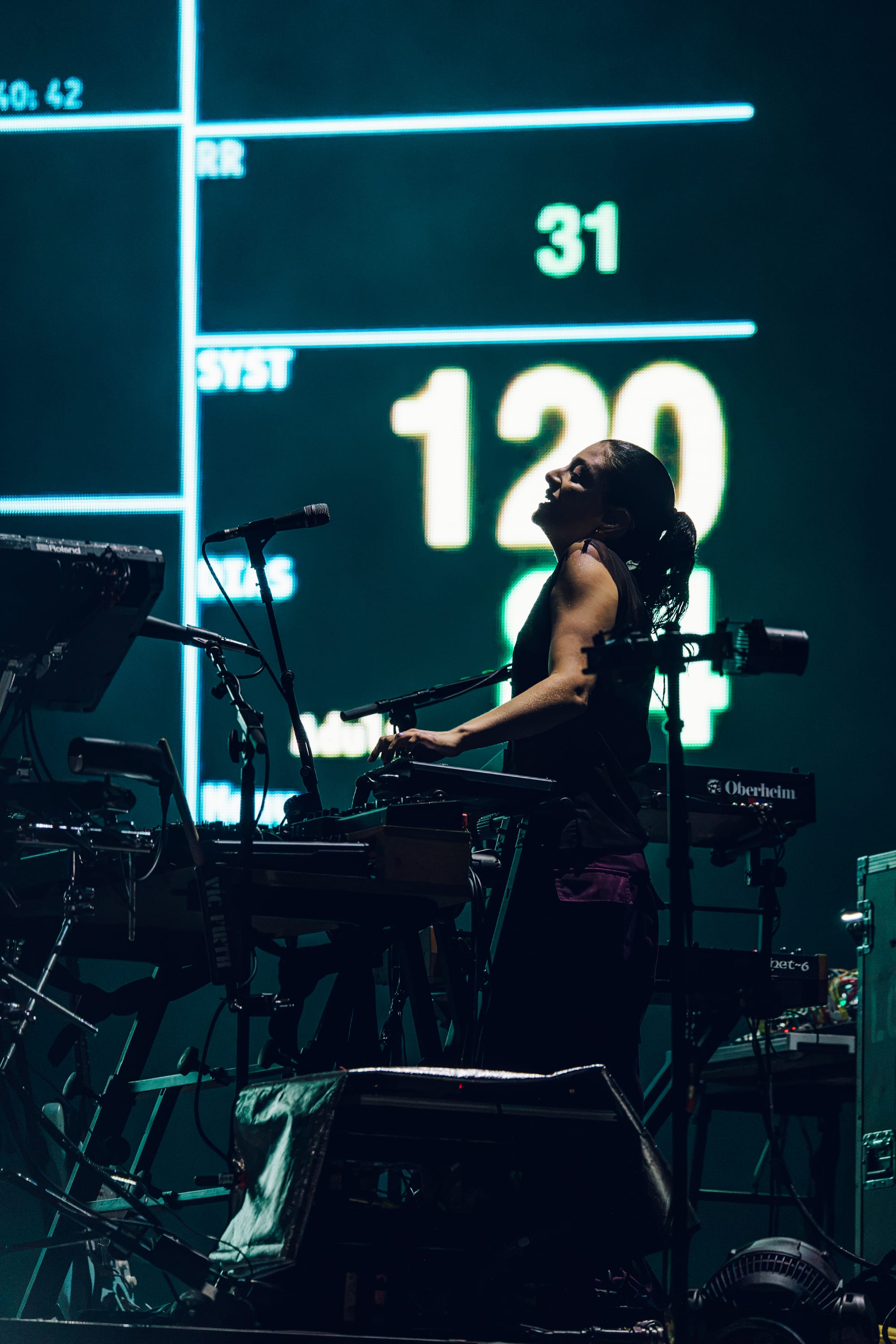
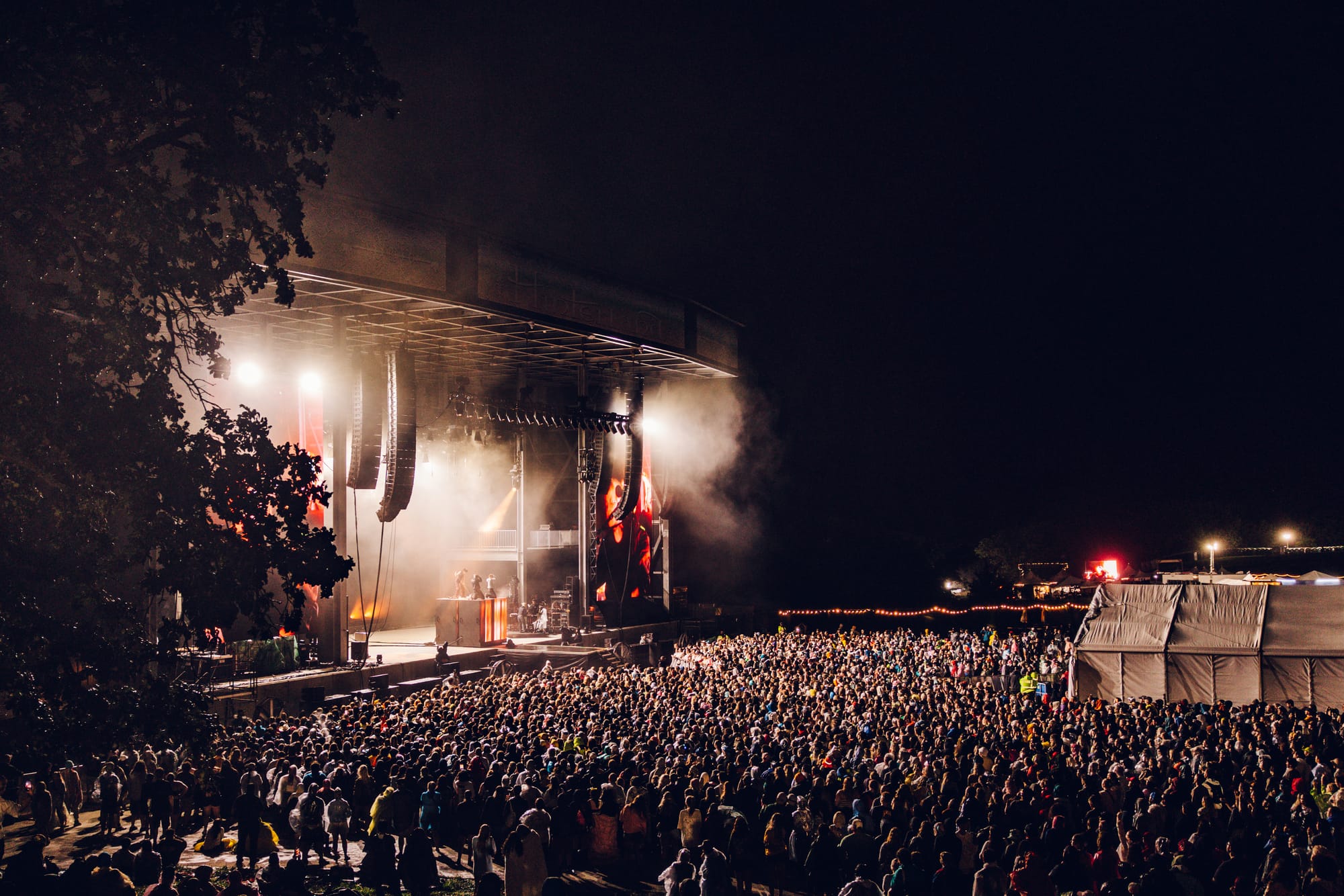
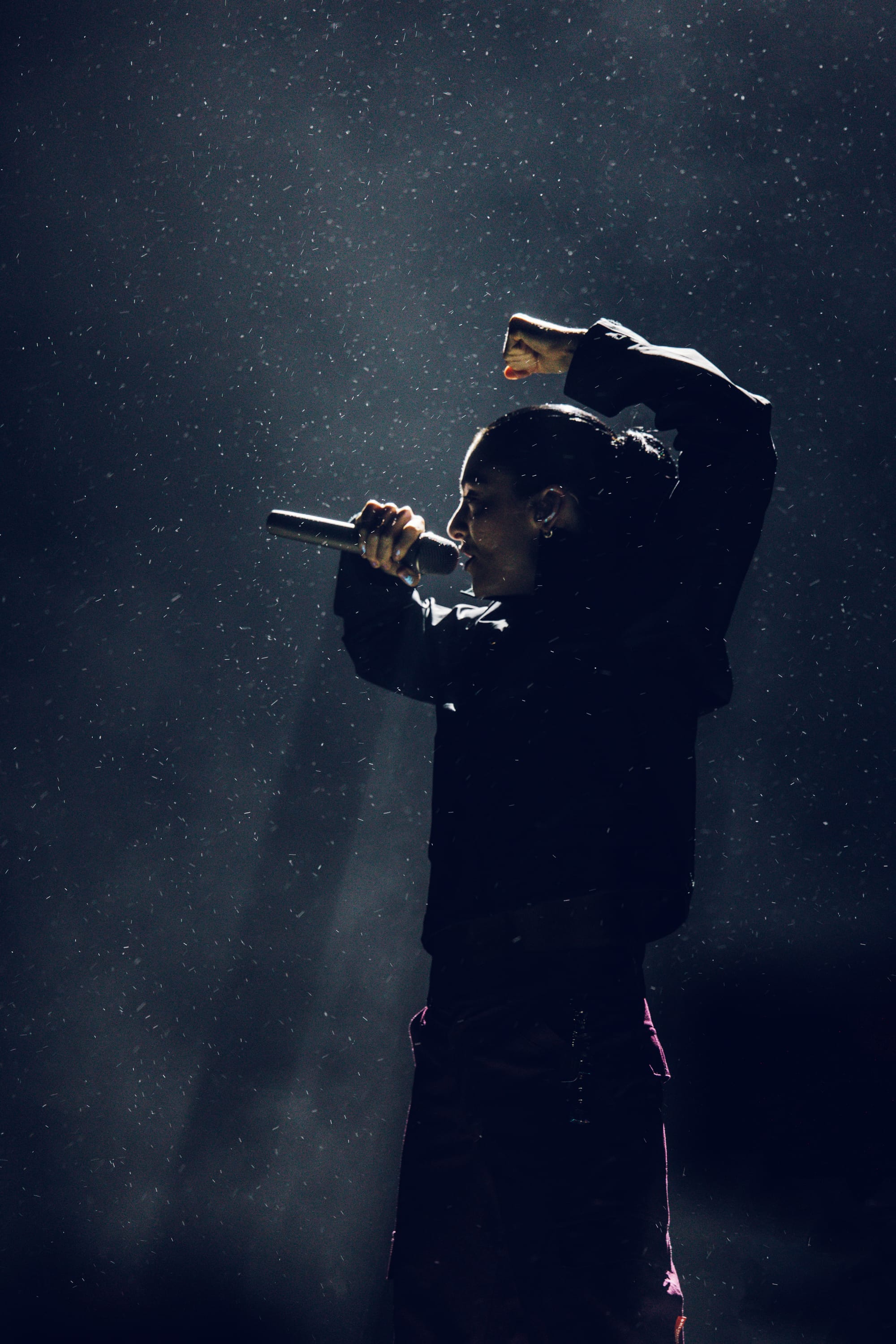
Photos by Gaby Deimeke
Rain continued to fall as fans sang along, turning the weather into part of the experience rather than an interruption. It was one of those festival moments that could not have been recreated under perfect conditions.
The night continued at Campfire, where Between Friends and Ninajirachi offered a much more intimate alternative to the spectacle of the main stage.
Friday demonstrated one of Hinterland's greatest strengths: even when conditions aren't ideal, the audience remains invested.
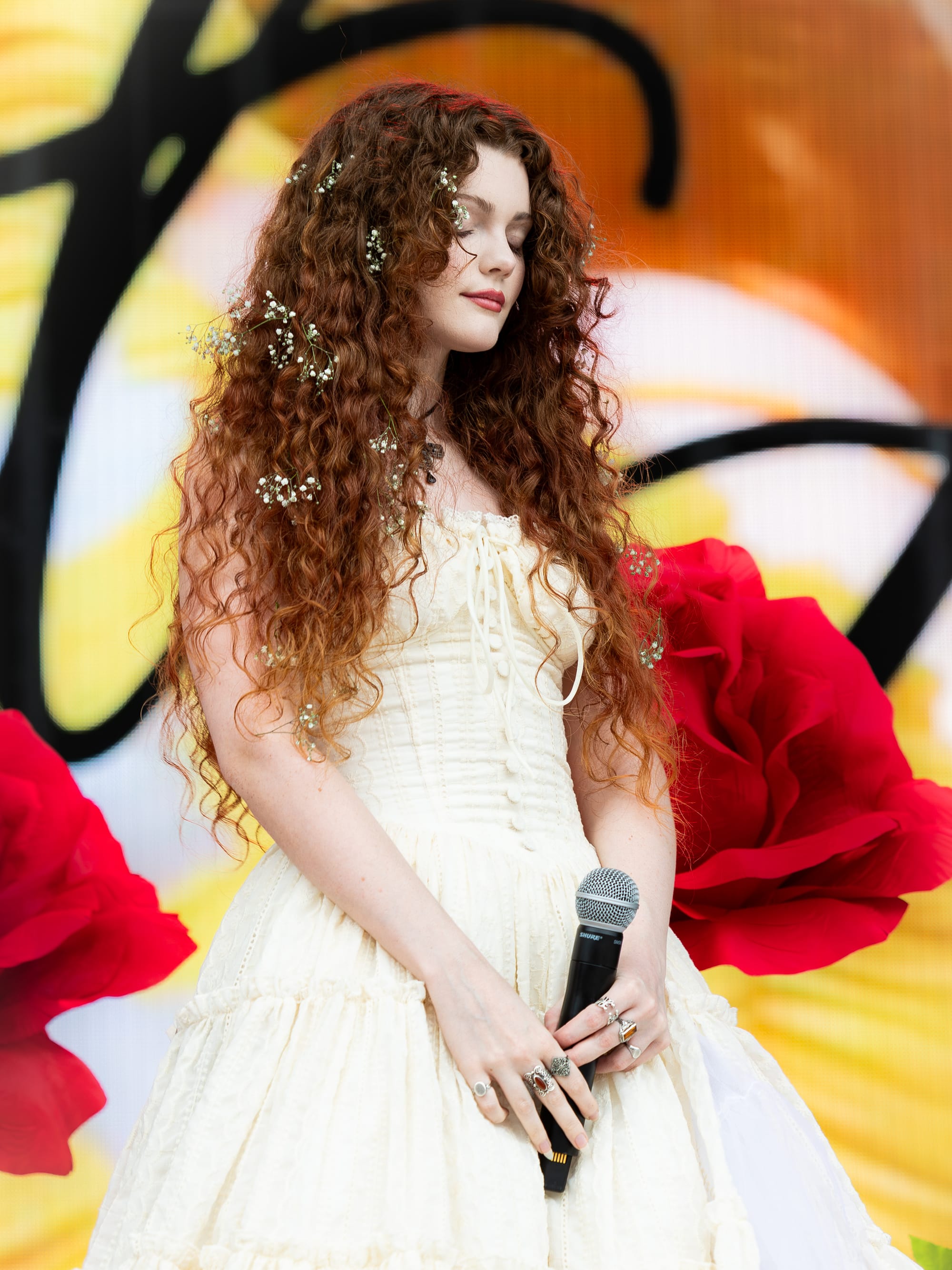
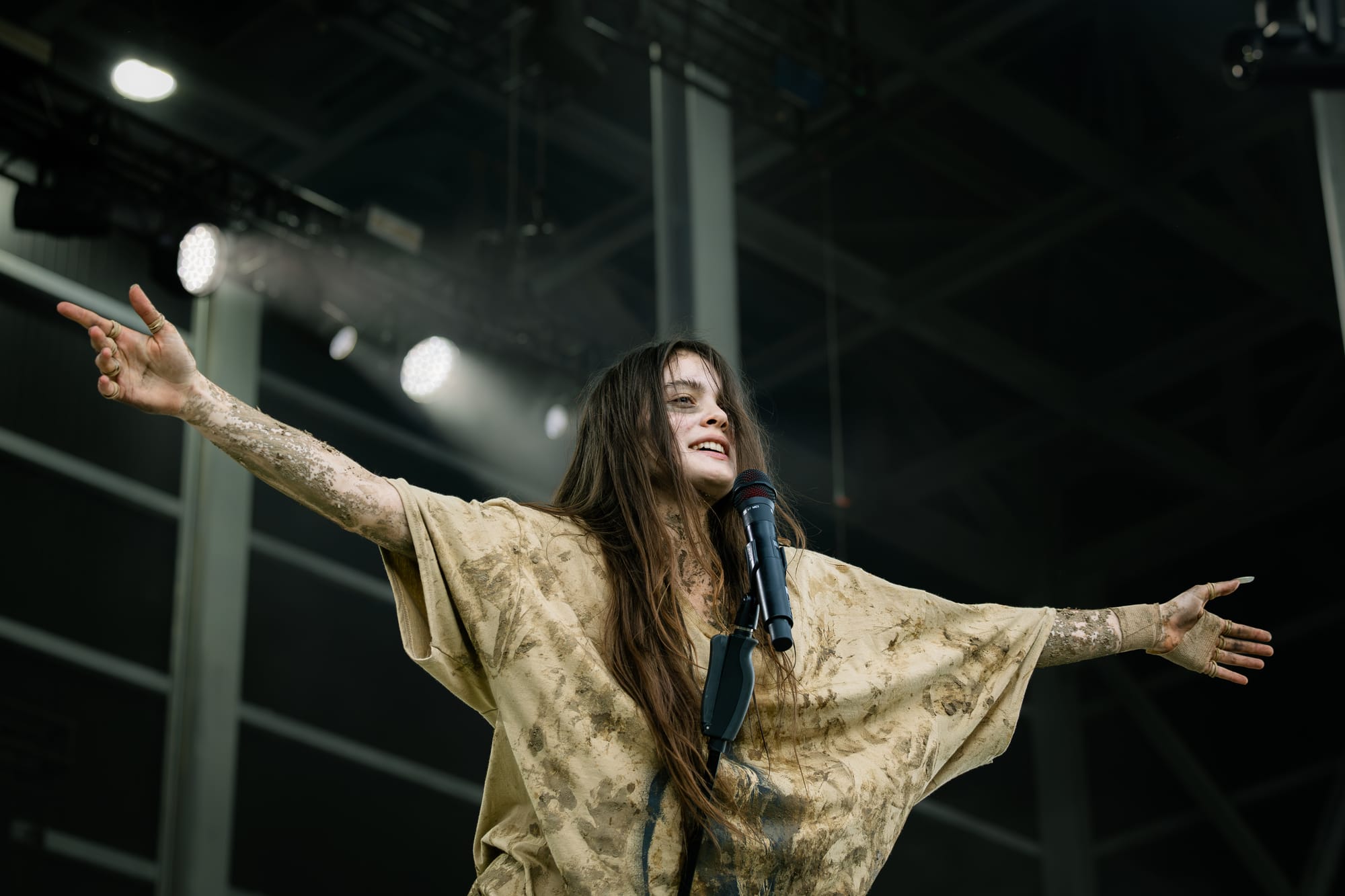
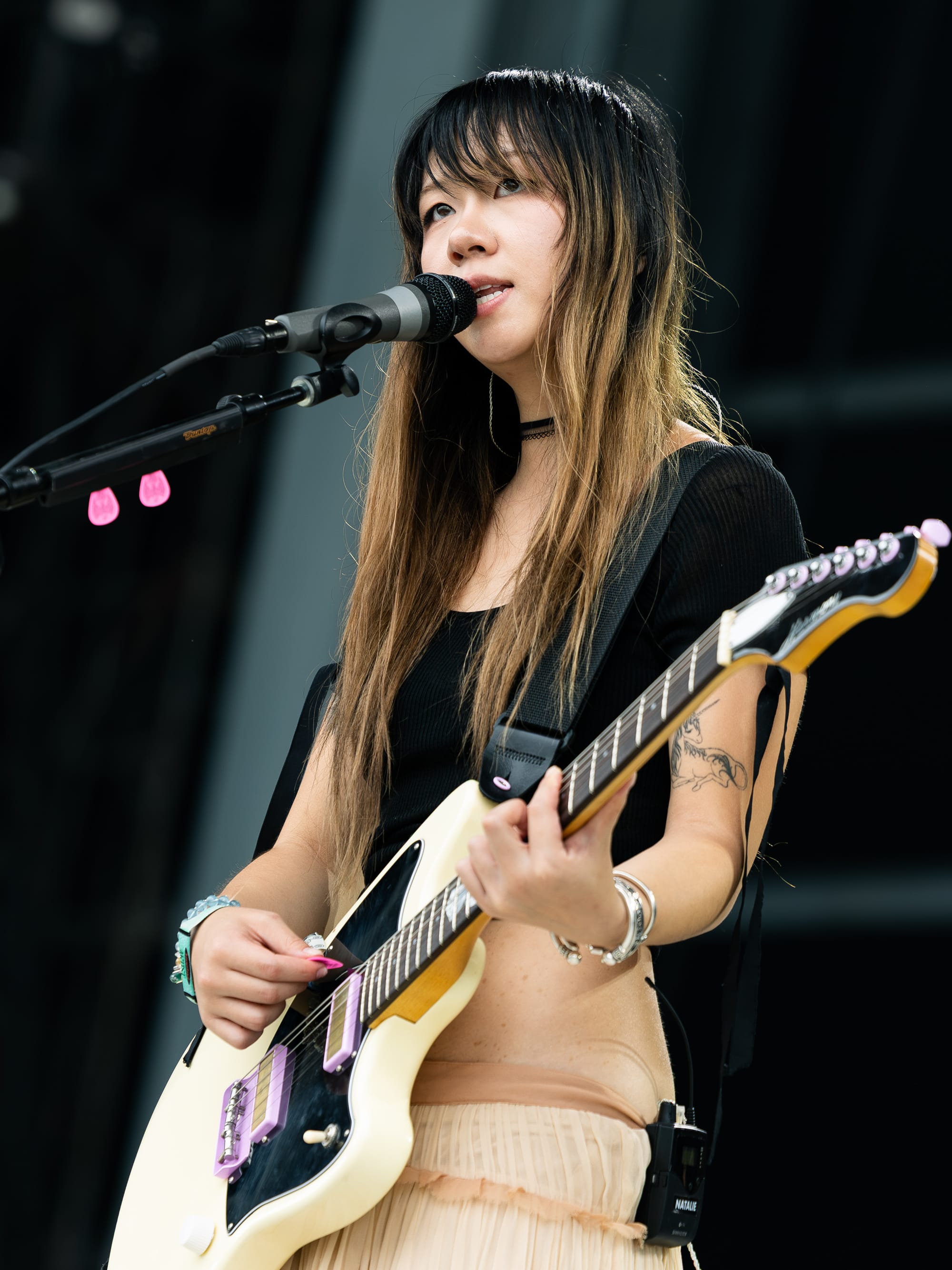
By Saturday, Hinterland felt fully settled.
The crowds were larger, the grounds were busier and the festival had developed the rhythm that comes with multiple days of music. Fans knew where they wanted to be, but there was still plenty of room for discovery.
CMAT was among the day's most charismatic performers, while Santigold brought a veteran presence and a genre-spanning catalog to the stage. The Format offered a particularly nostalgic moment for longtime fans, while Jessie Murph continued to demonstrate the crossover appeal that has pushed her rapidly into larger festival slots.
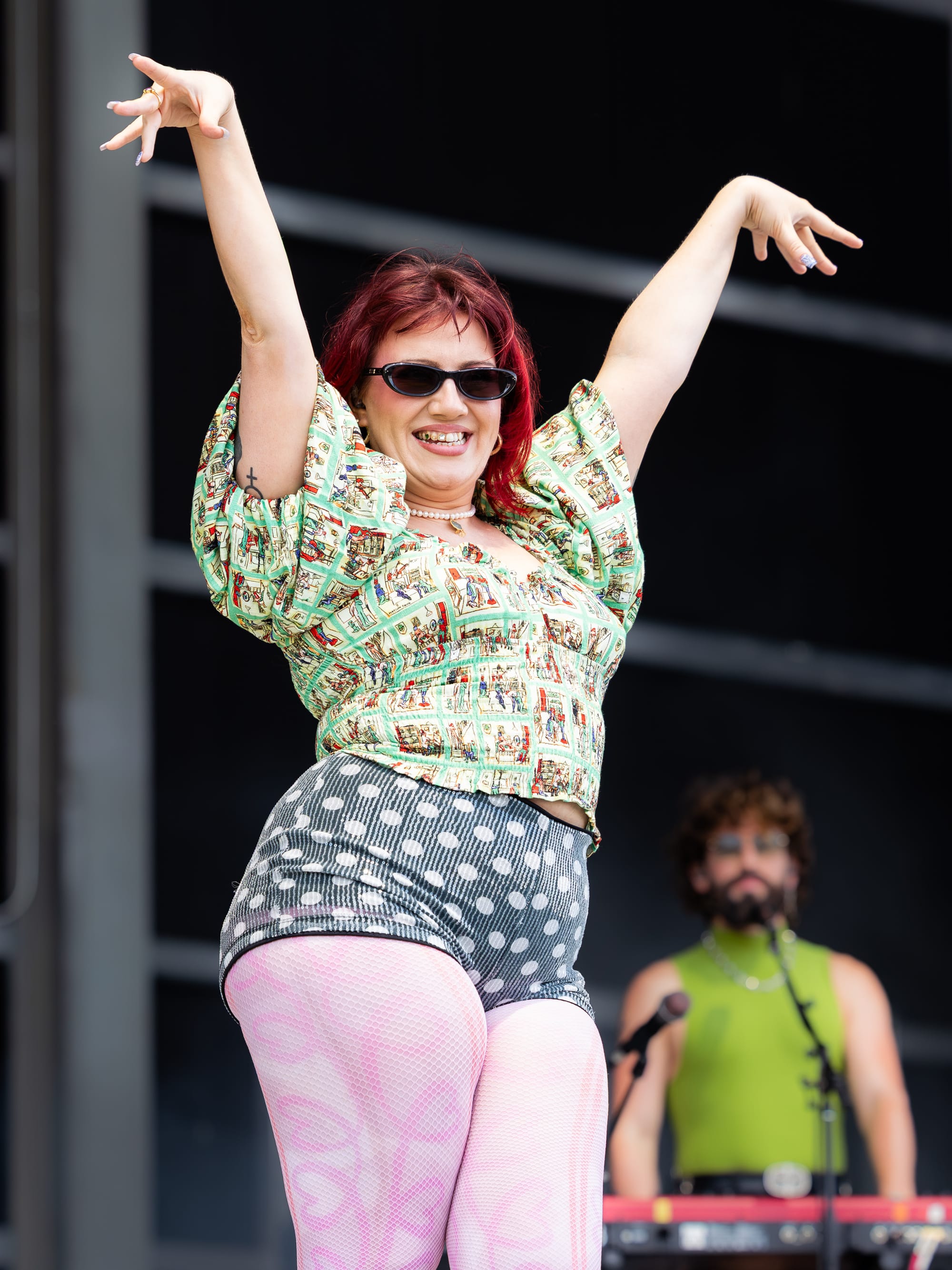
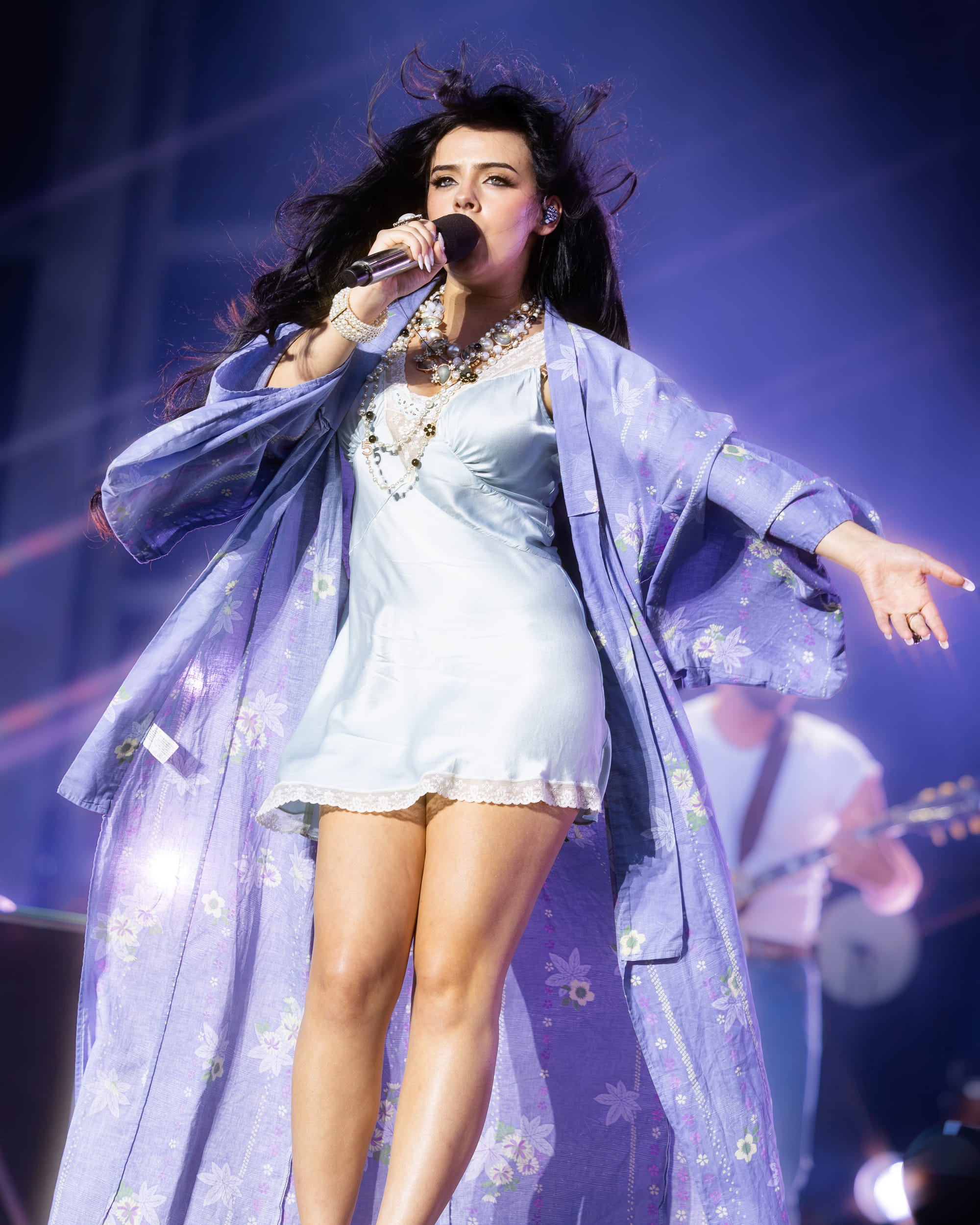
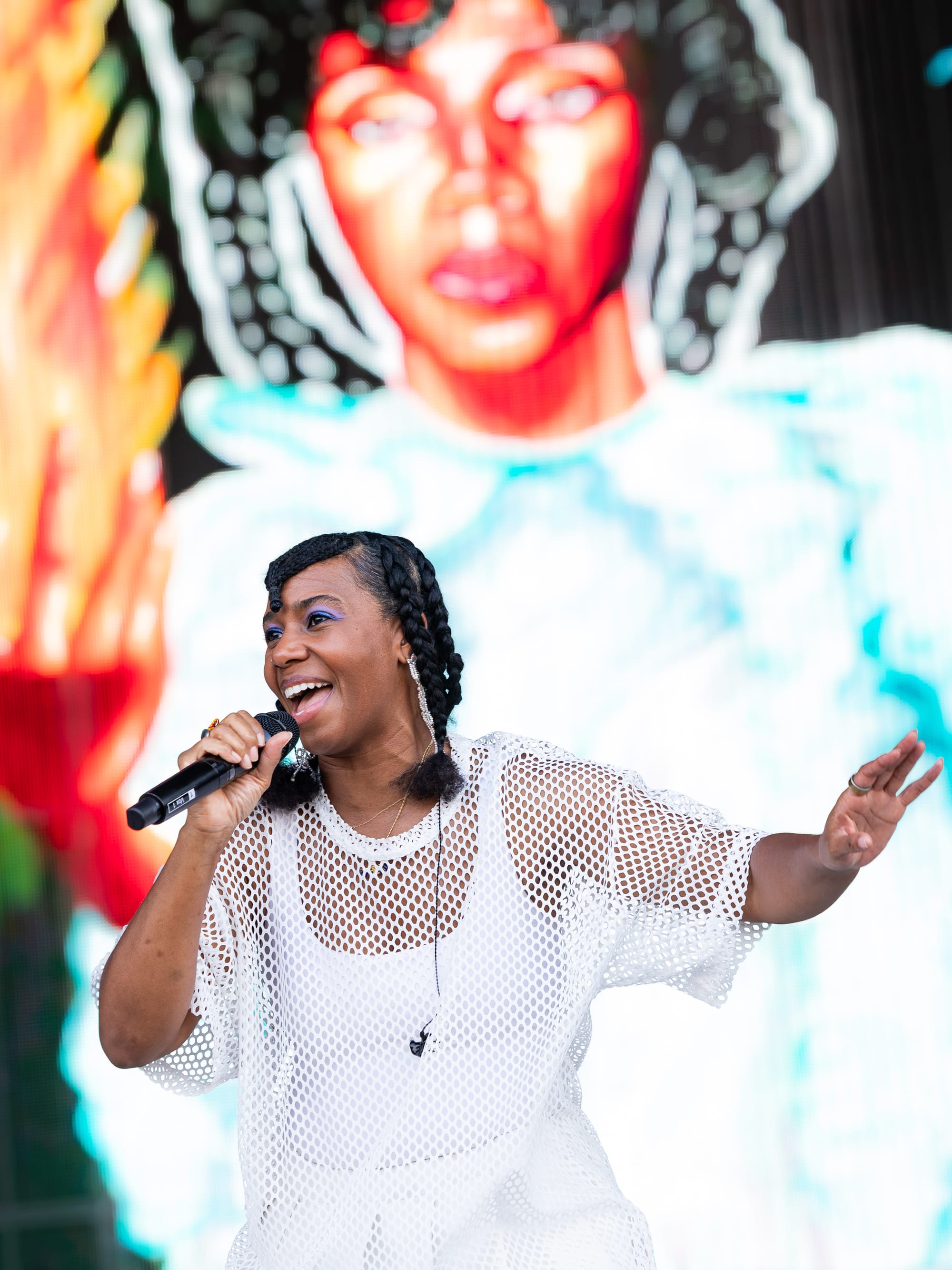
Photos by Noah Couitt
Then came Mumford & Sons.
The band's headline performance was built for a festival field. Their combination of folk instrumentation, massive choruses and familiar songs gave the audience plenty to sing back, turning the hillside into one enormous communal performance.
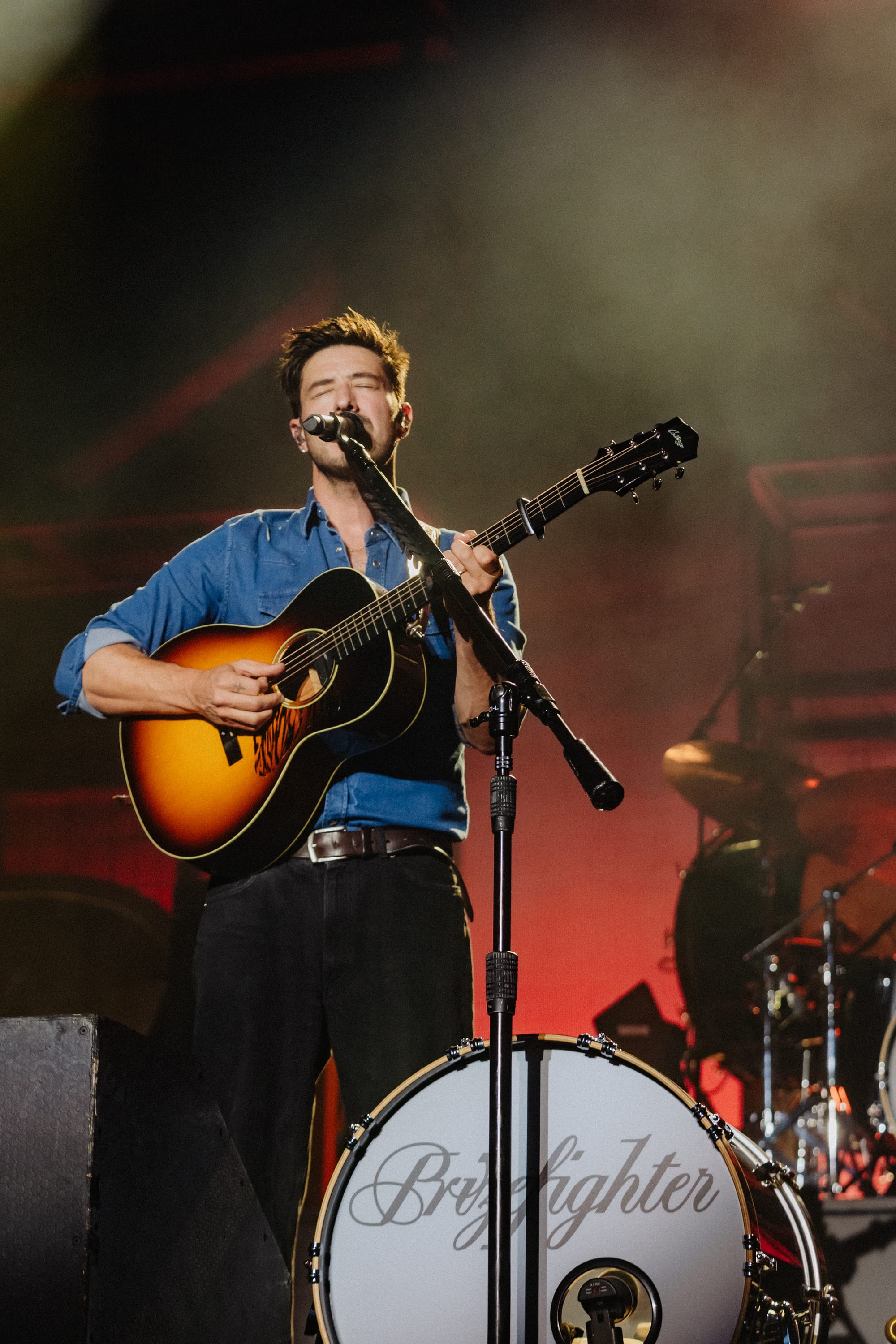
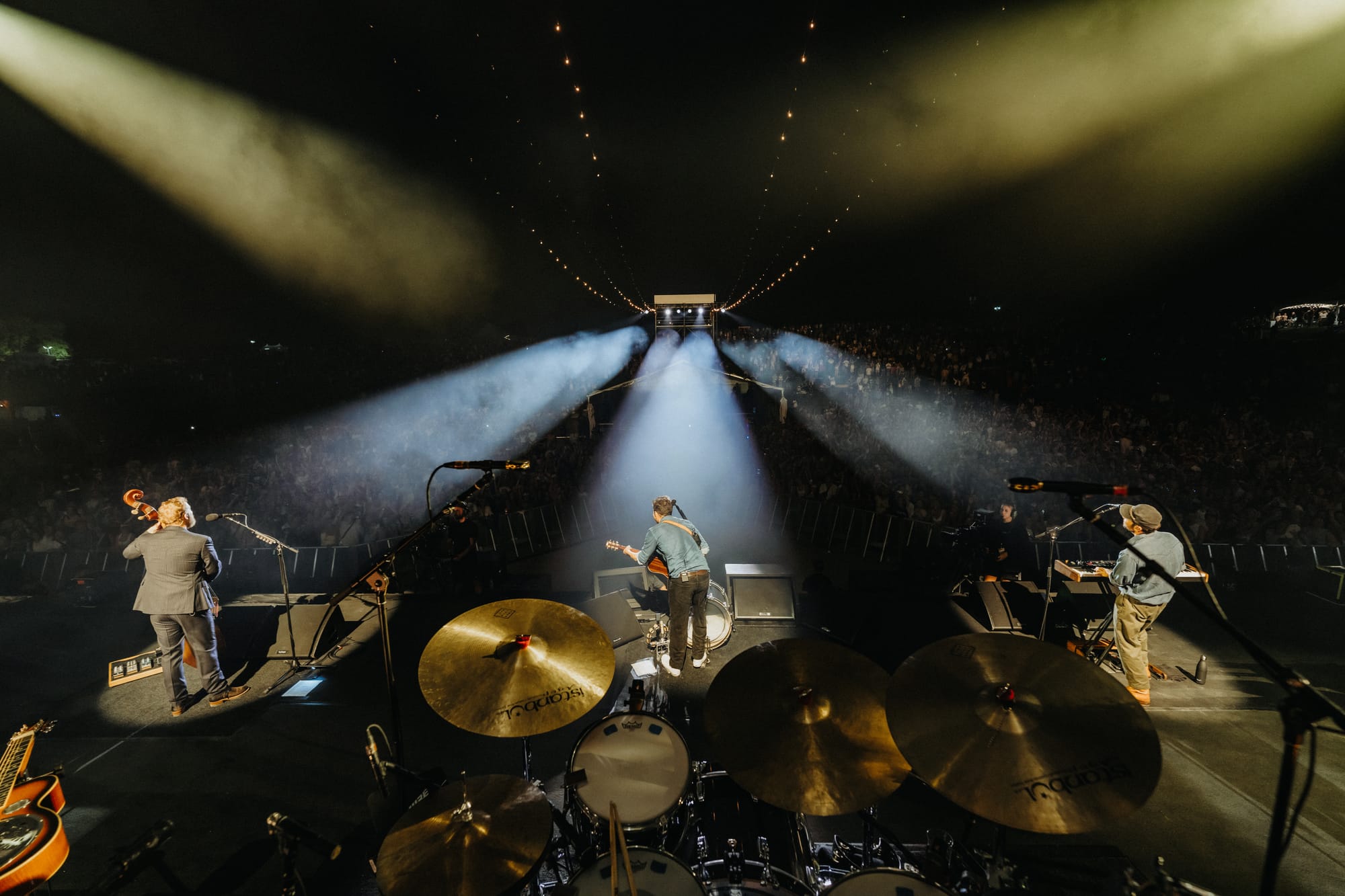
Photos by Deanie Chen
Saturday also highlighted how much there was to experience away from the main stage. Basecamp had become a destination of its own, with food and drinks, vinyl DJs, a record store, vendors, a farm stand and other activities providing places for attendees to spend time between performances.
By the time the main stage ended, the festival simply moved elsewhere, with The Brook & The Bluff and Buffalo Traffic Jam continuing the night at Campfire.
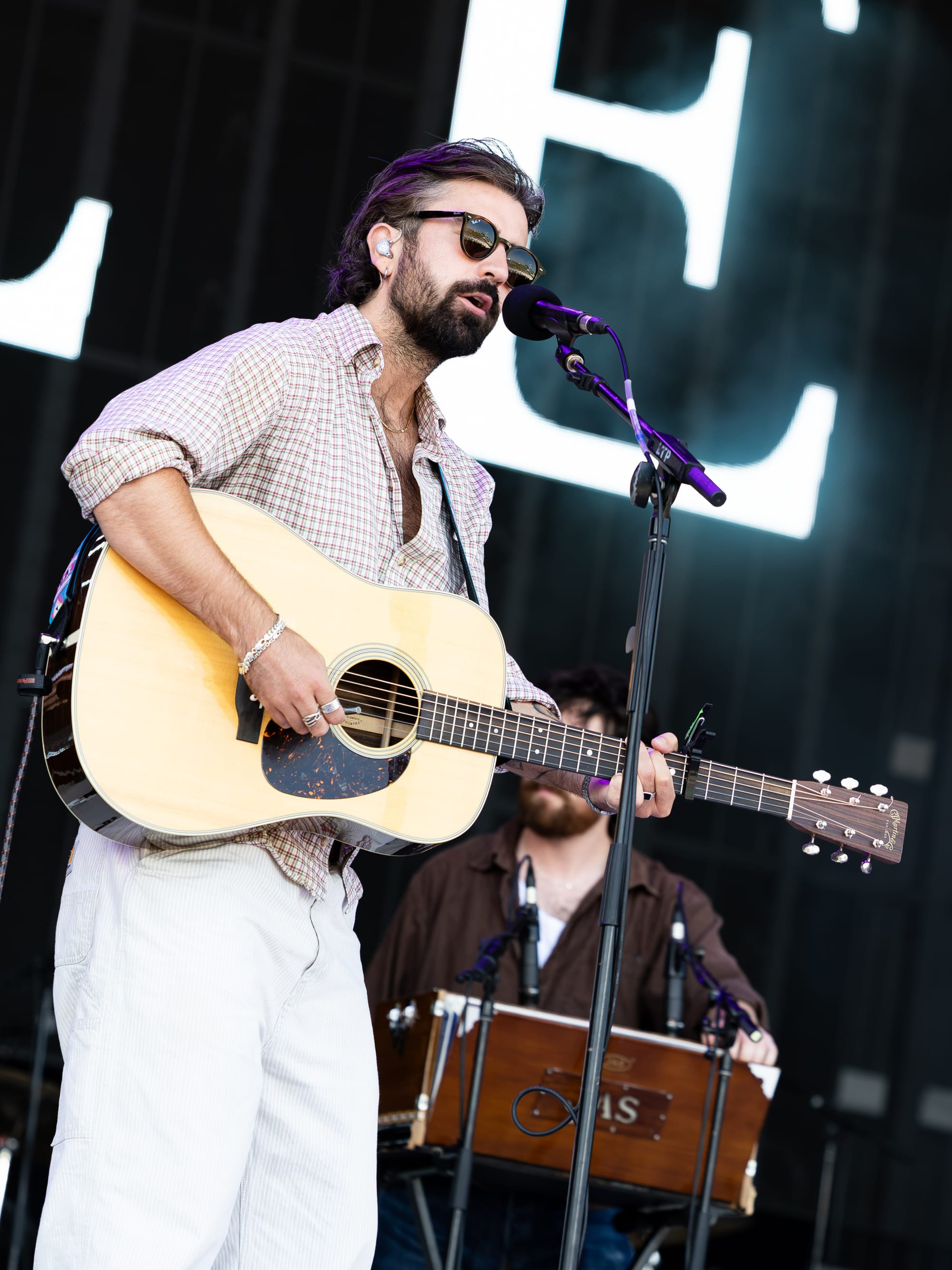
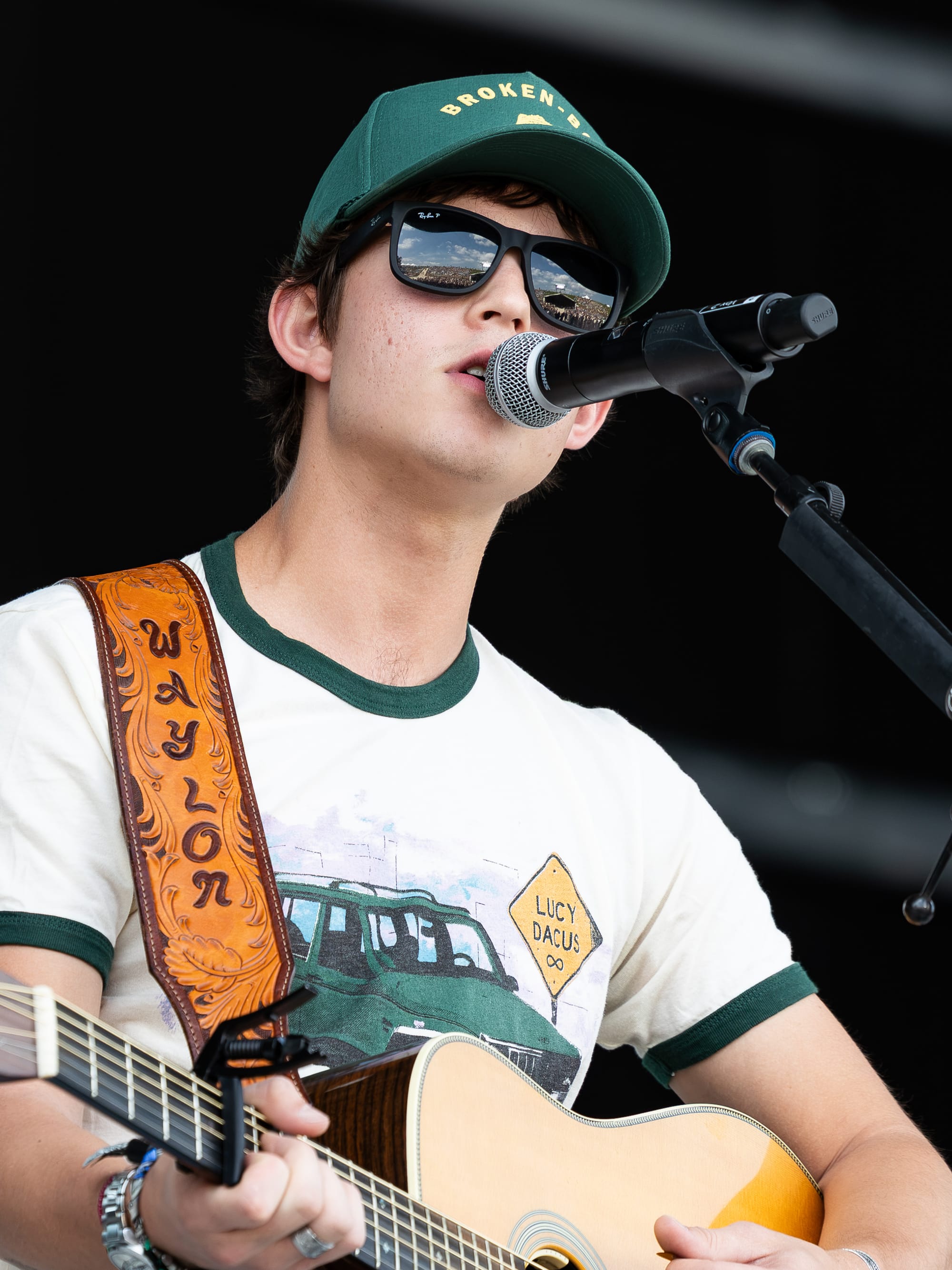
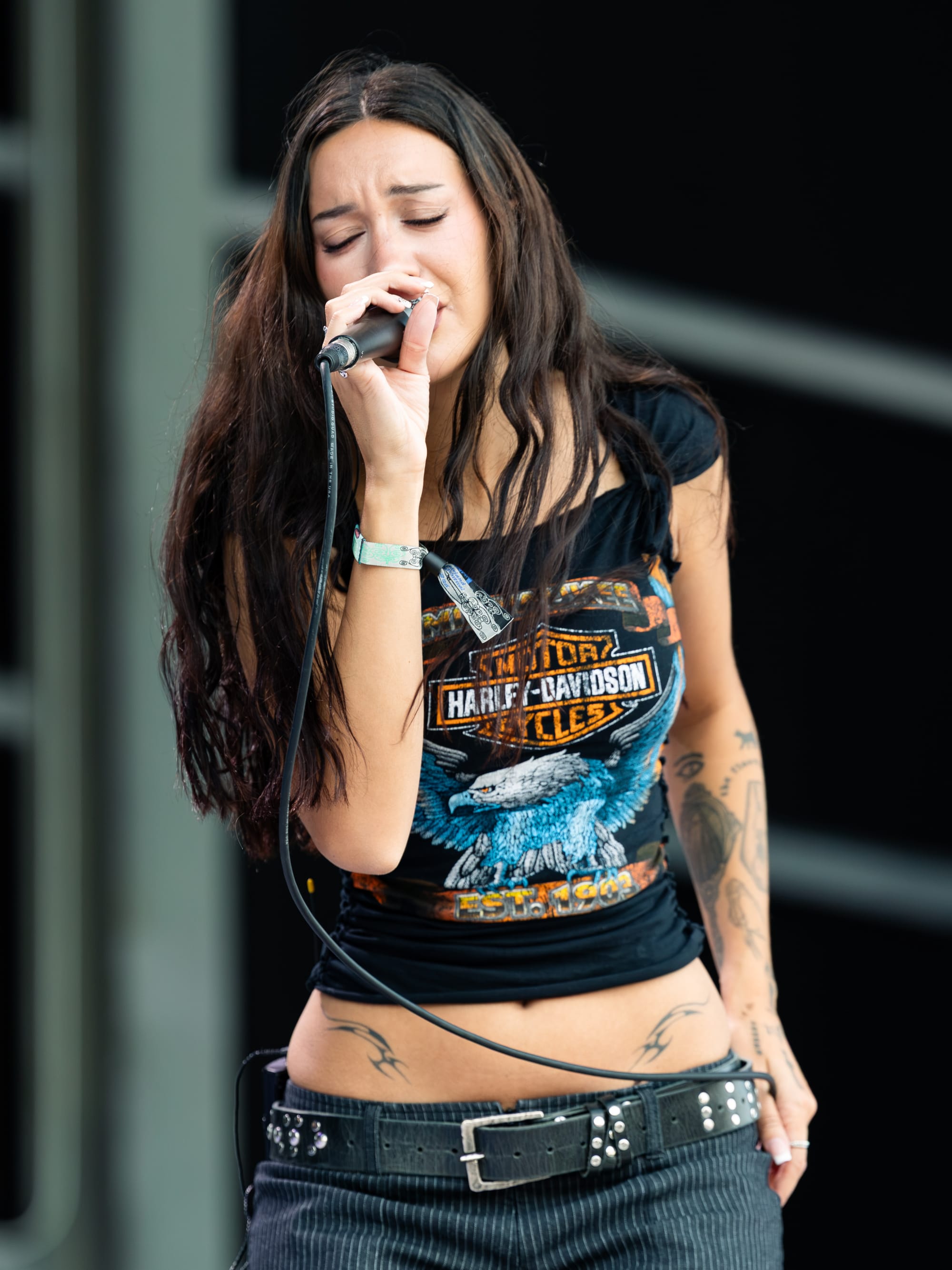
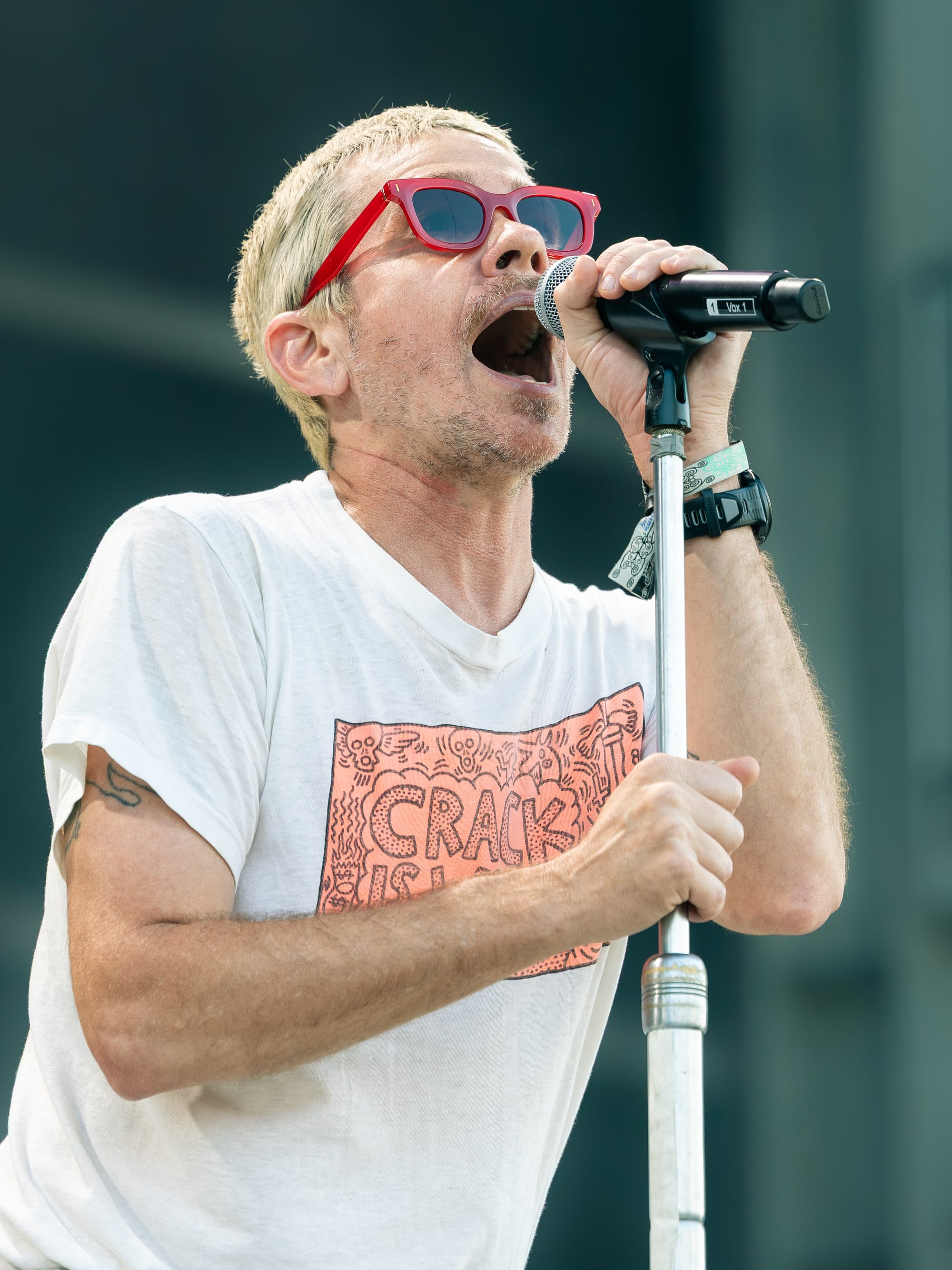
The final day could have easily felt like a comedown.
Instead, Sunday delivered another full slate of performances before Kali Uchis closed the festival.
Haute & Freddy kick start the day with one of the most energetic sets of the day. Geese and Wet Leg brought some of the day's strongest rock performances, while Suki Waterhouse, Samia and Audrey Hobert offered more intimate performances throughout the afternoon.
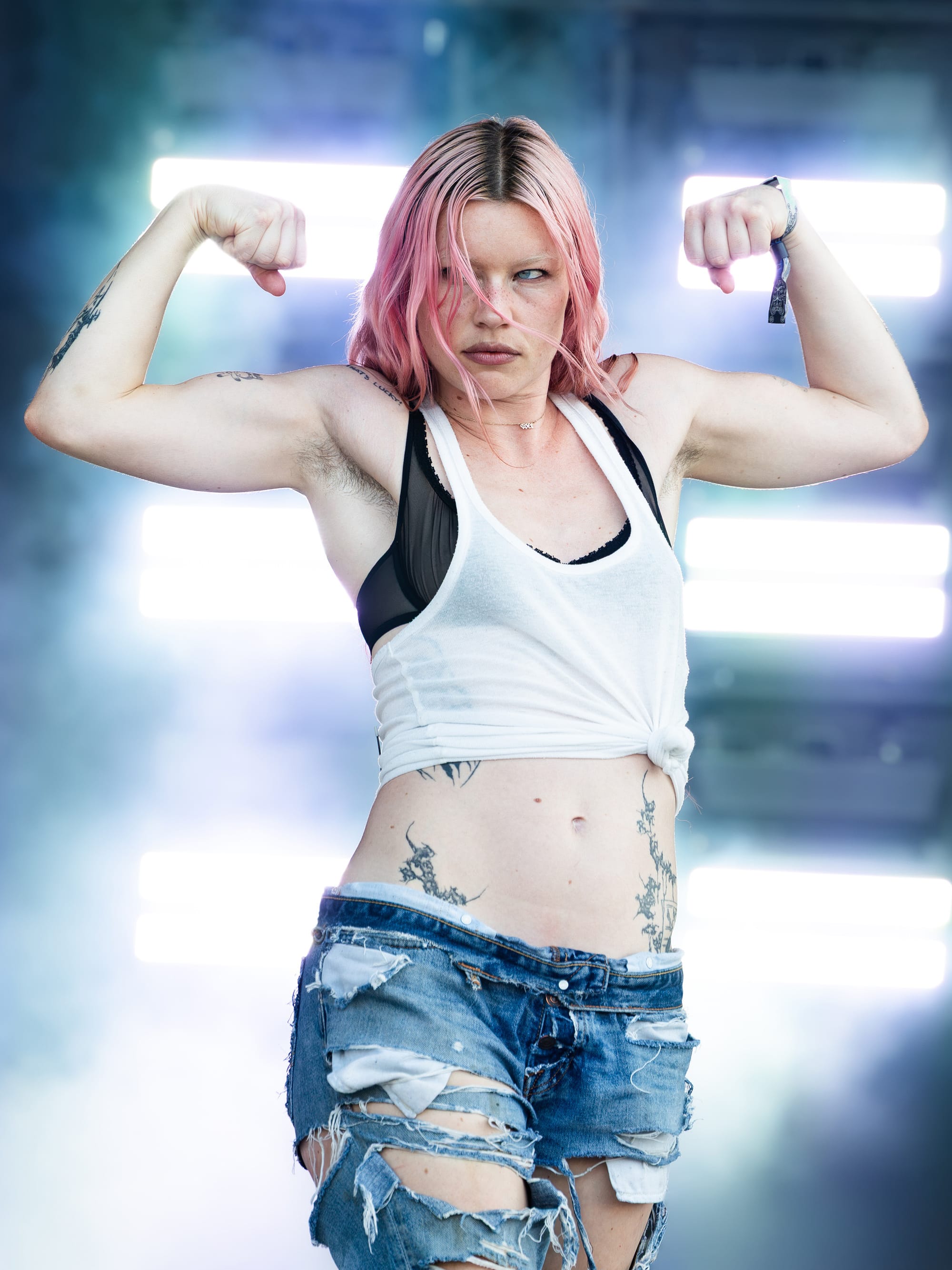
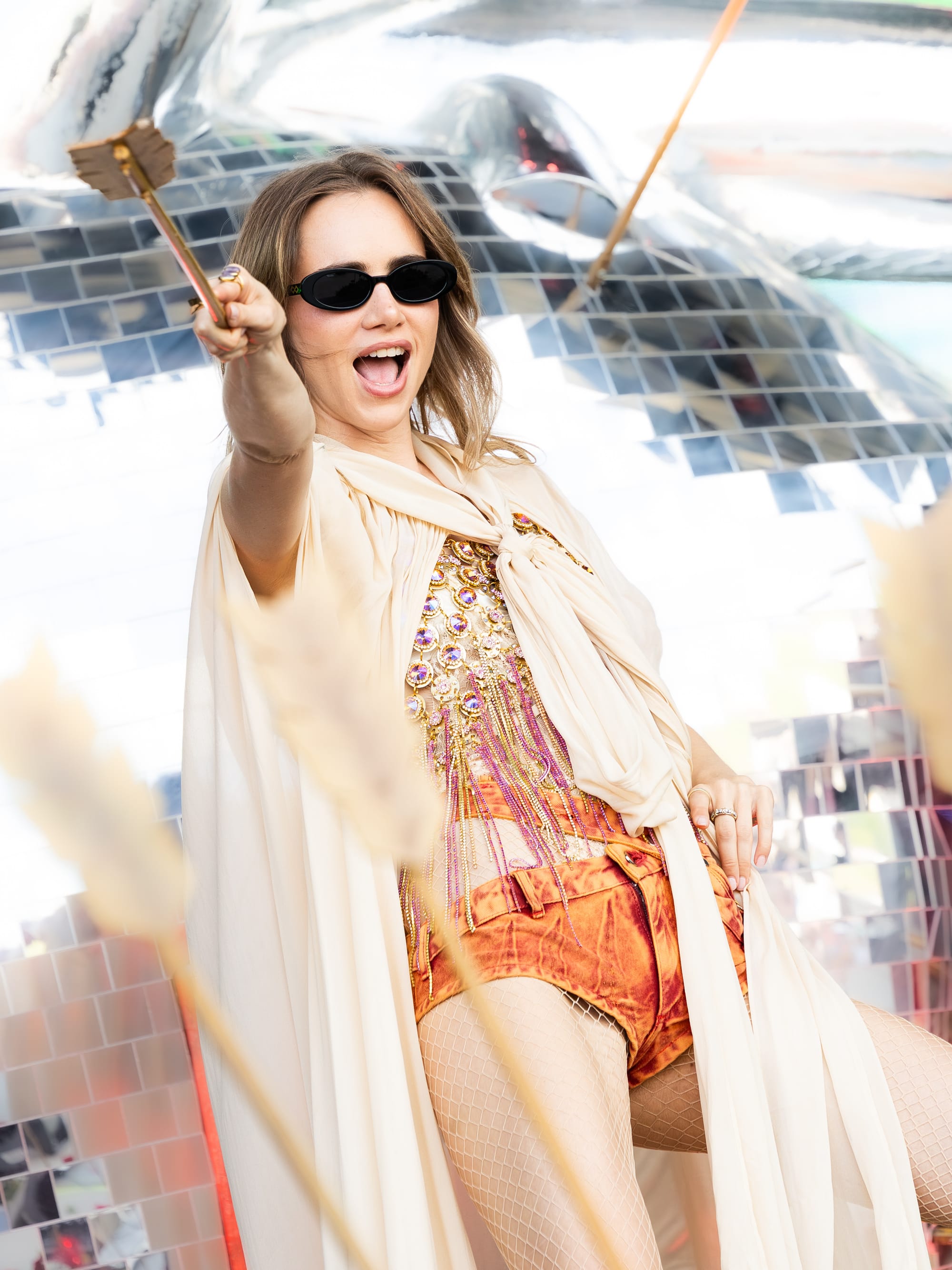
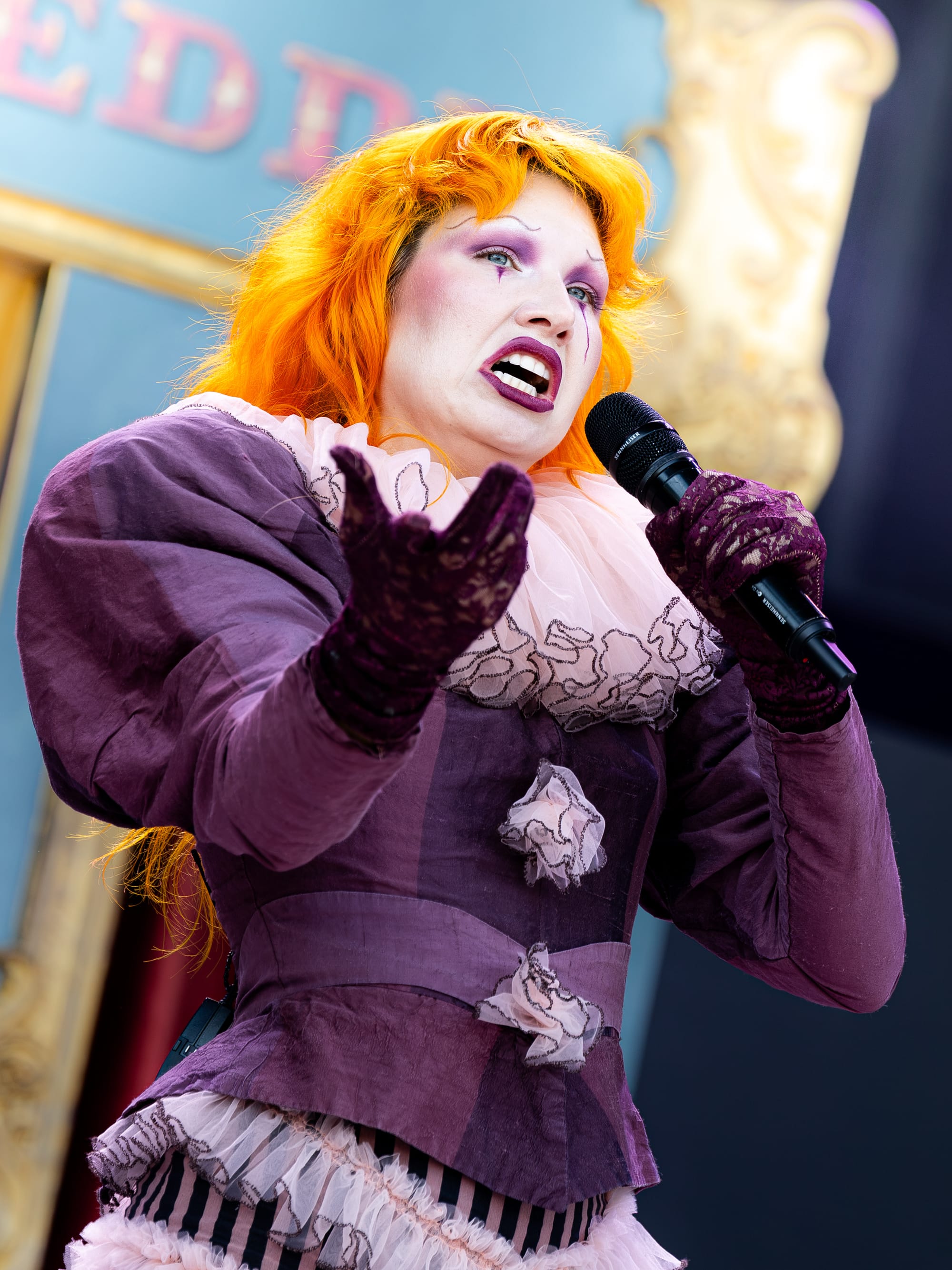
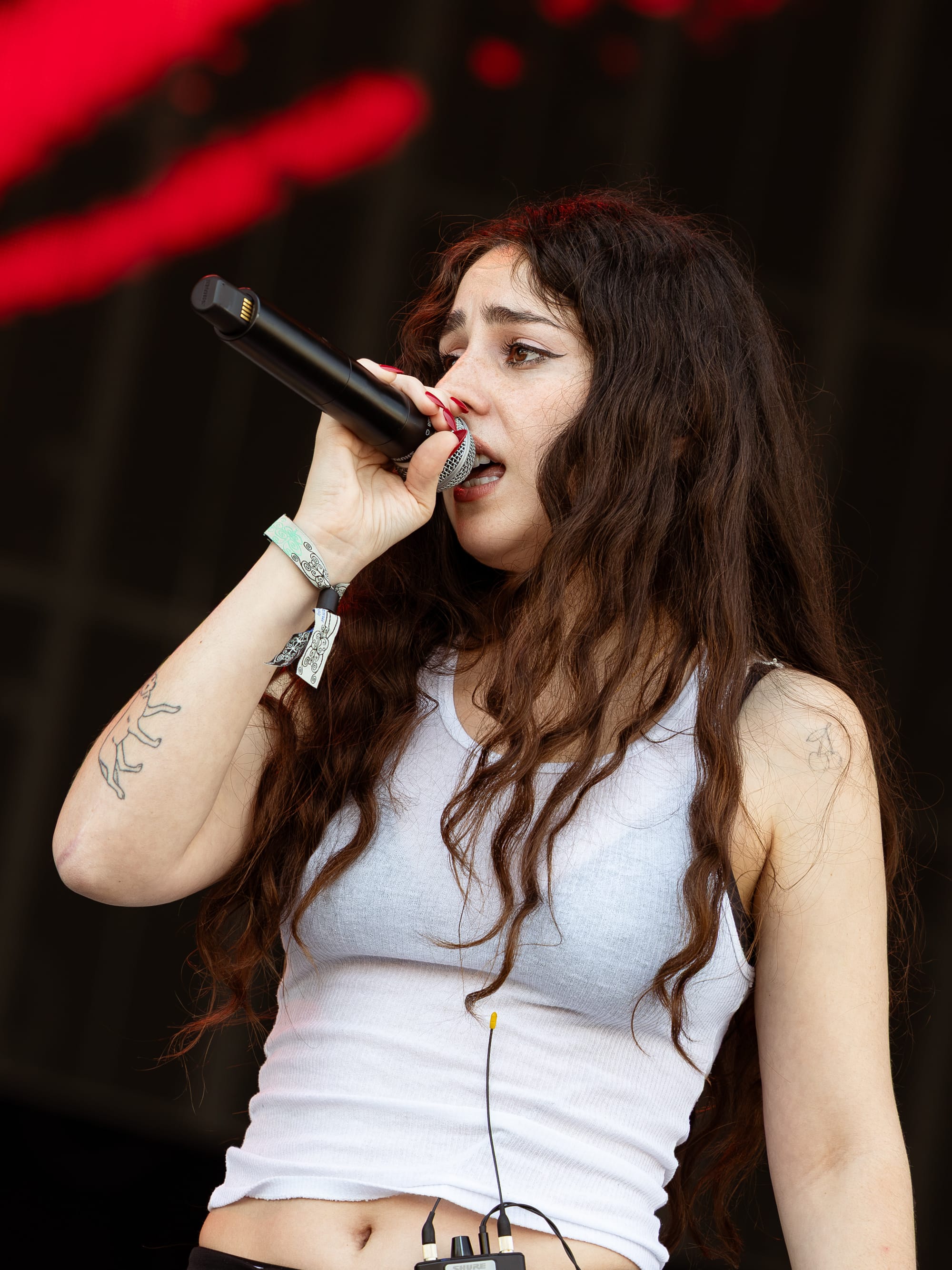
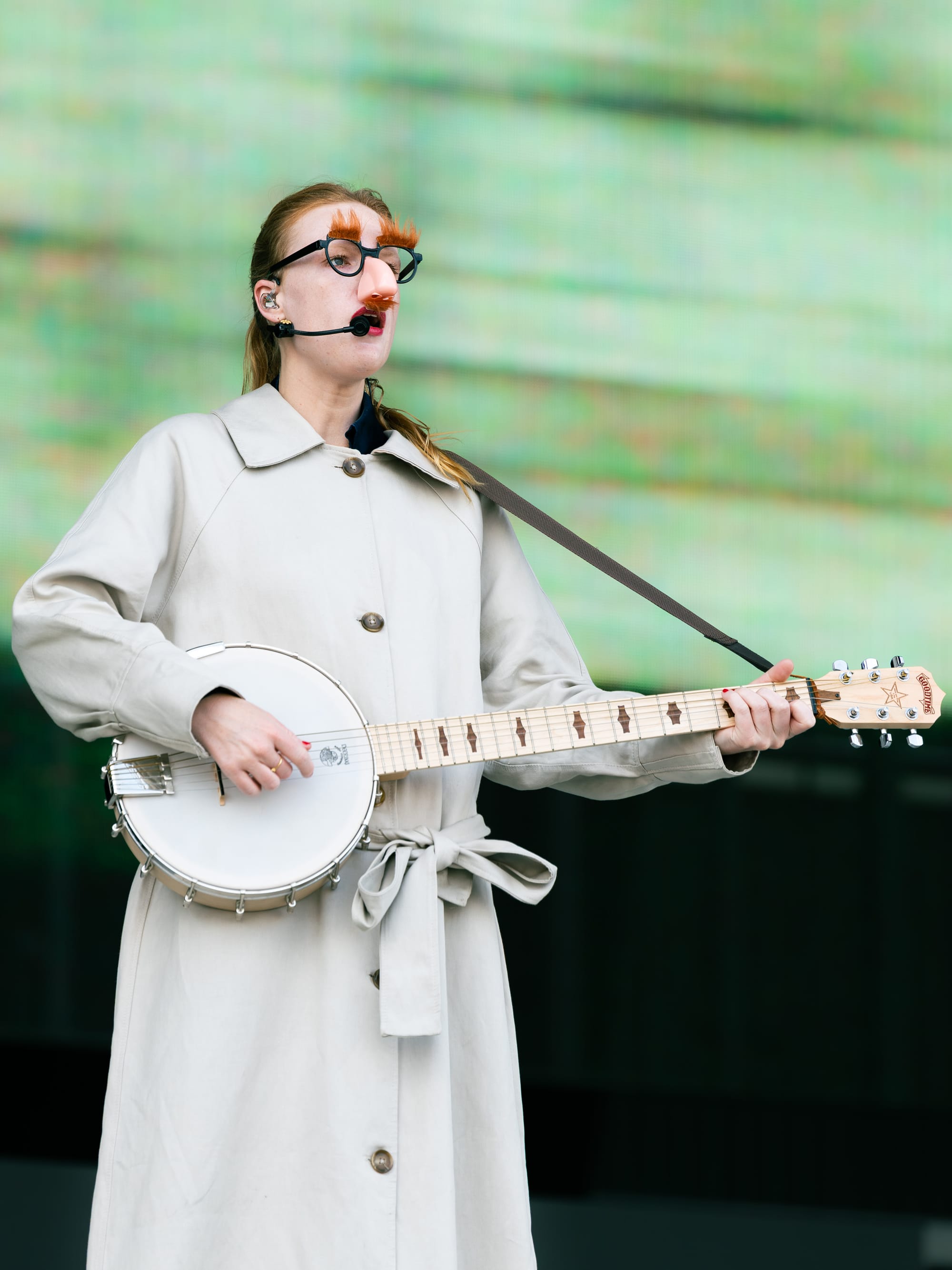
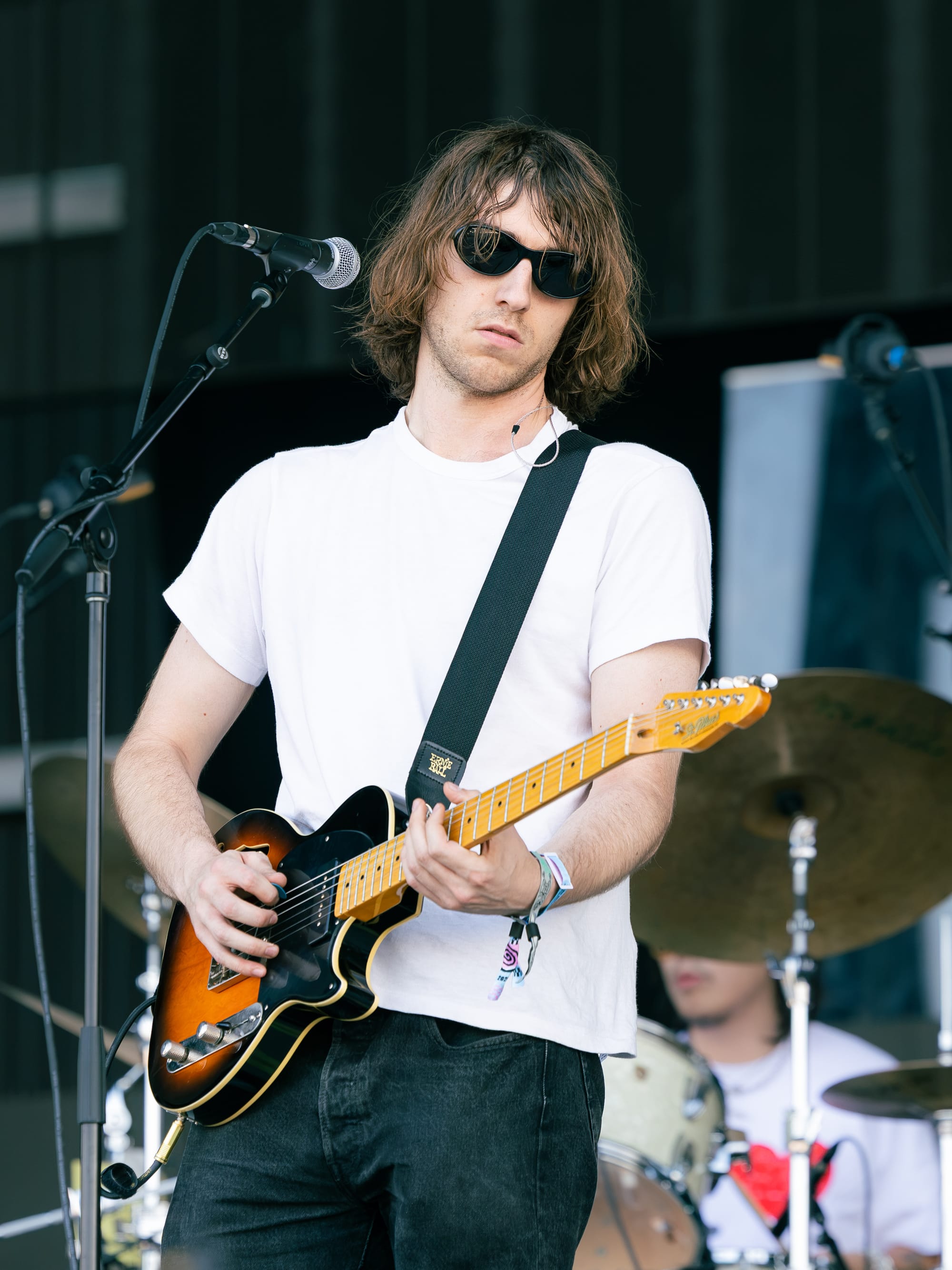
Photos by Noah Couitt
Young Miko brought another surge of energy to the grounds, drawing a crowd that was ready to keep the weekend going despite four days of music already behind them.
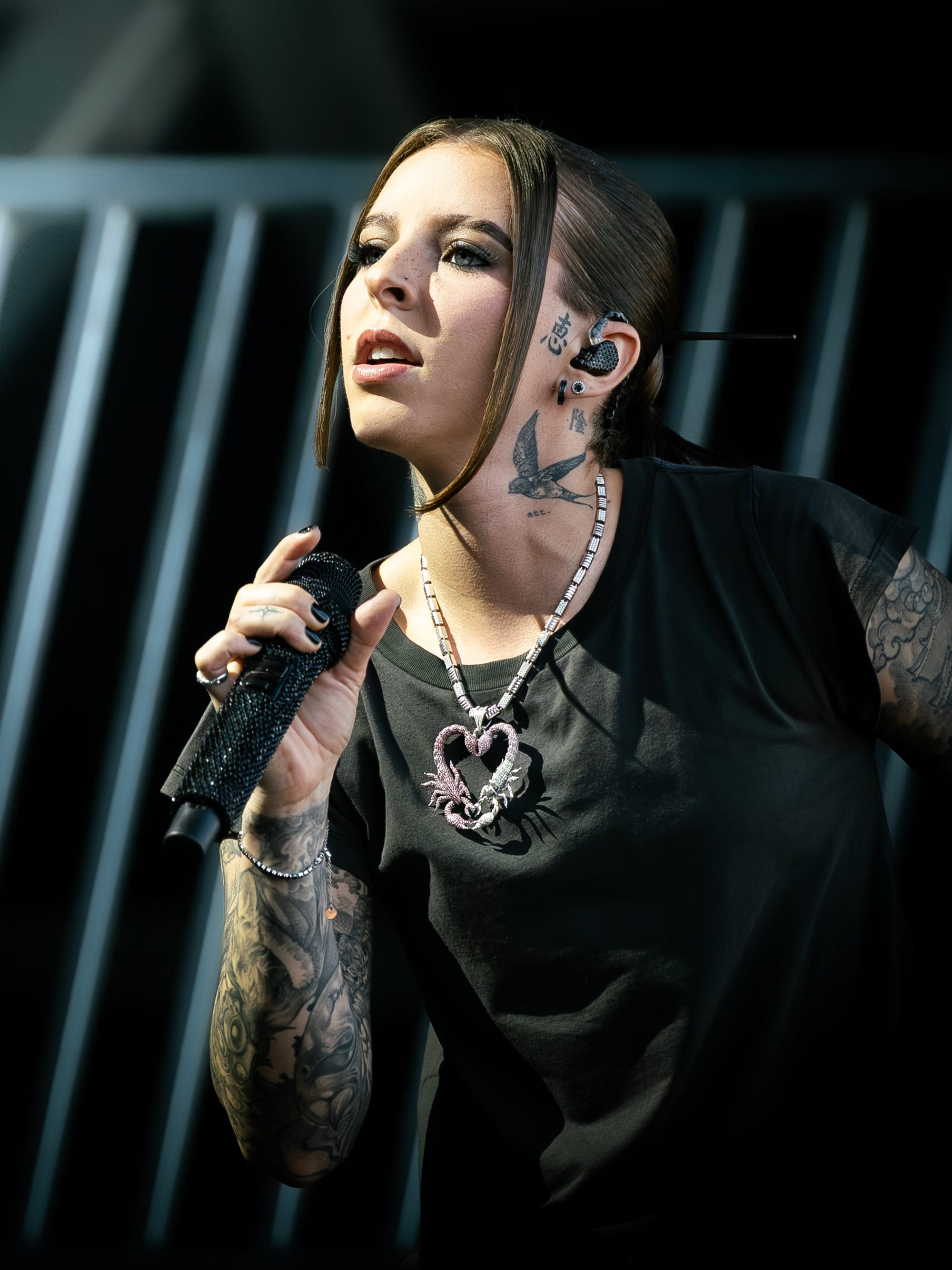
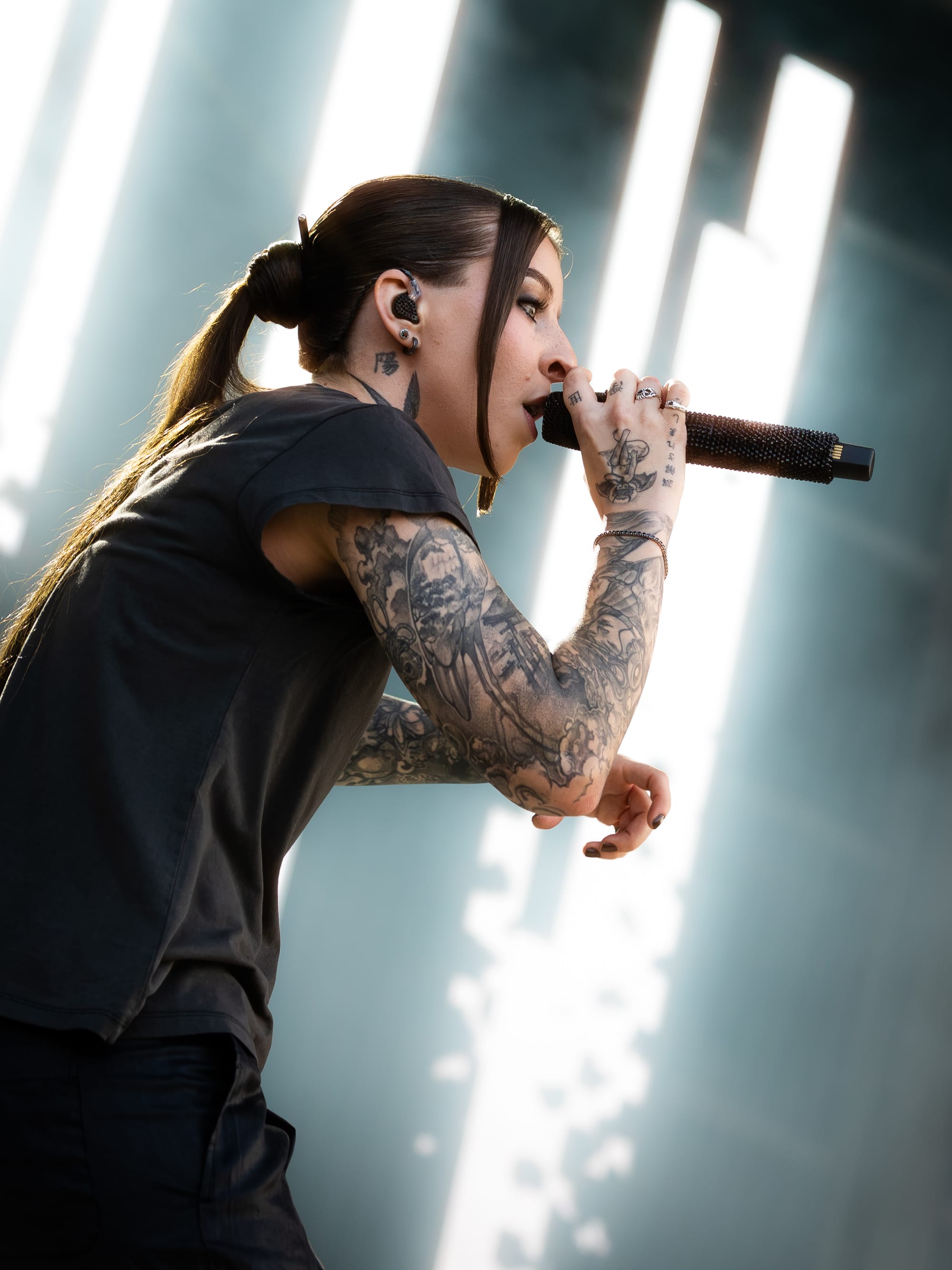
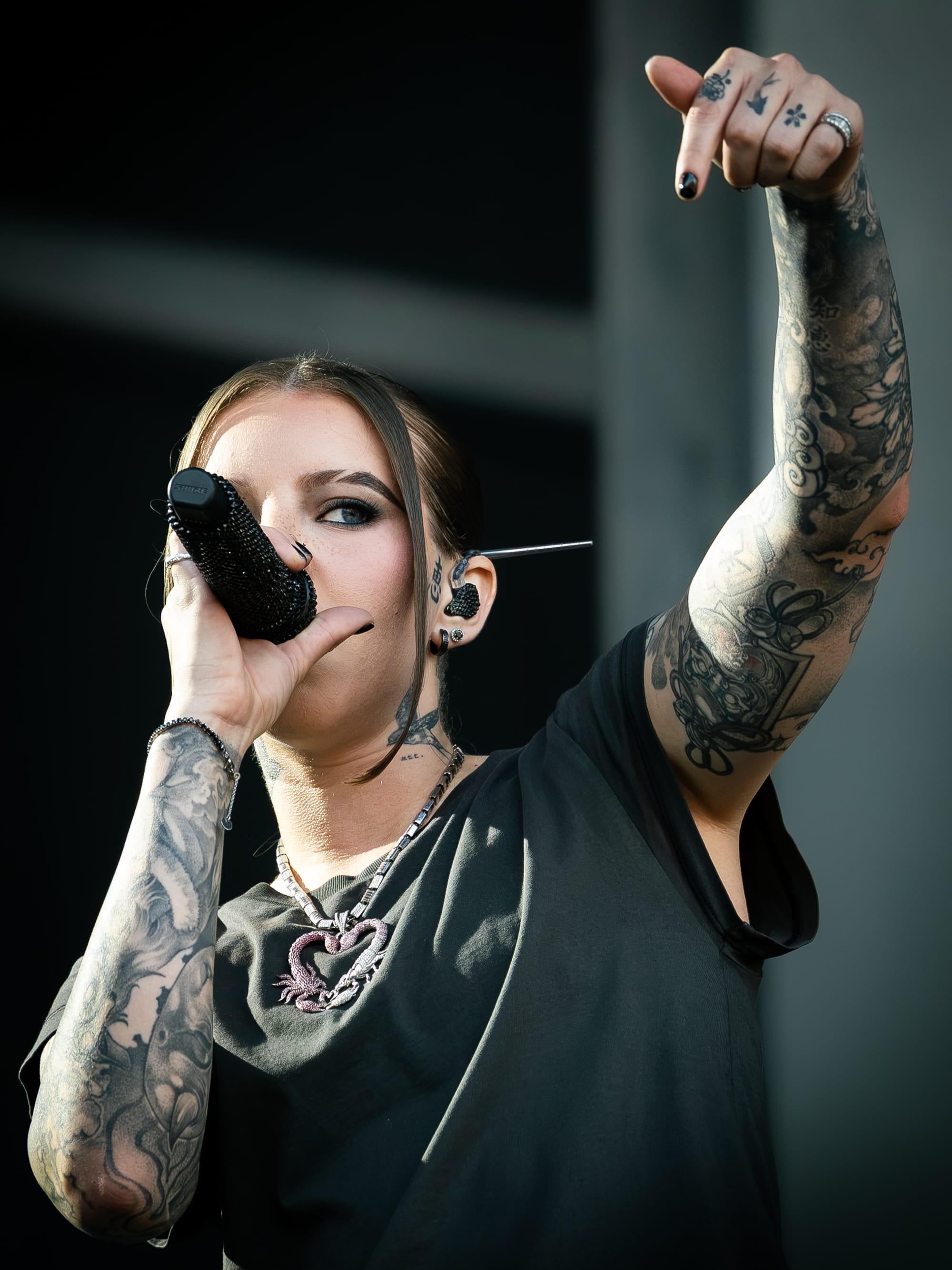
Photos by Noah Couitt
Kali Uchis then took over the final headline slot, closing the festival with a performance built around her distinctive combination of R&B, Latin music and pop.
It was a fitting ending to a weekend that had never stayed within one genre for long.
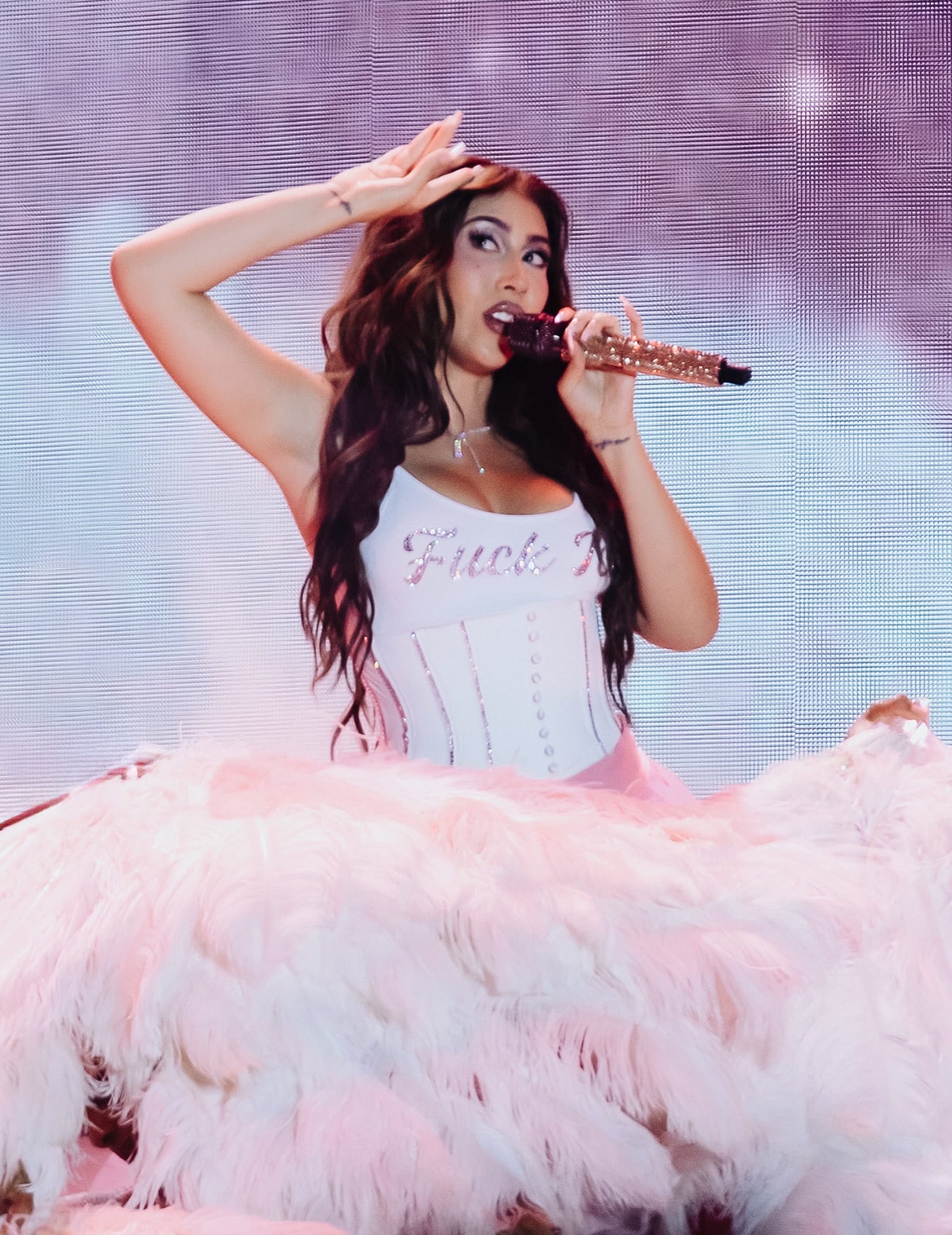
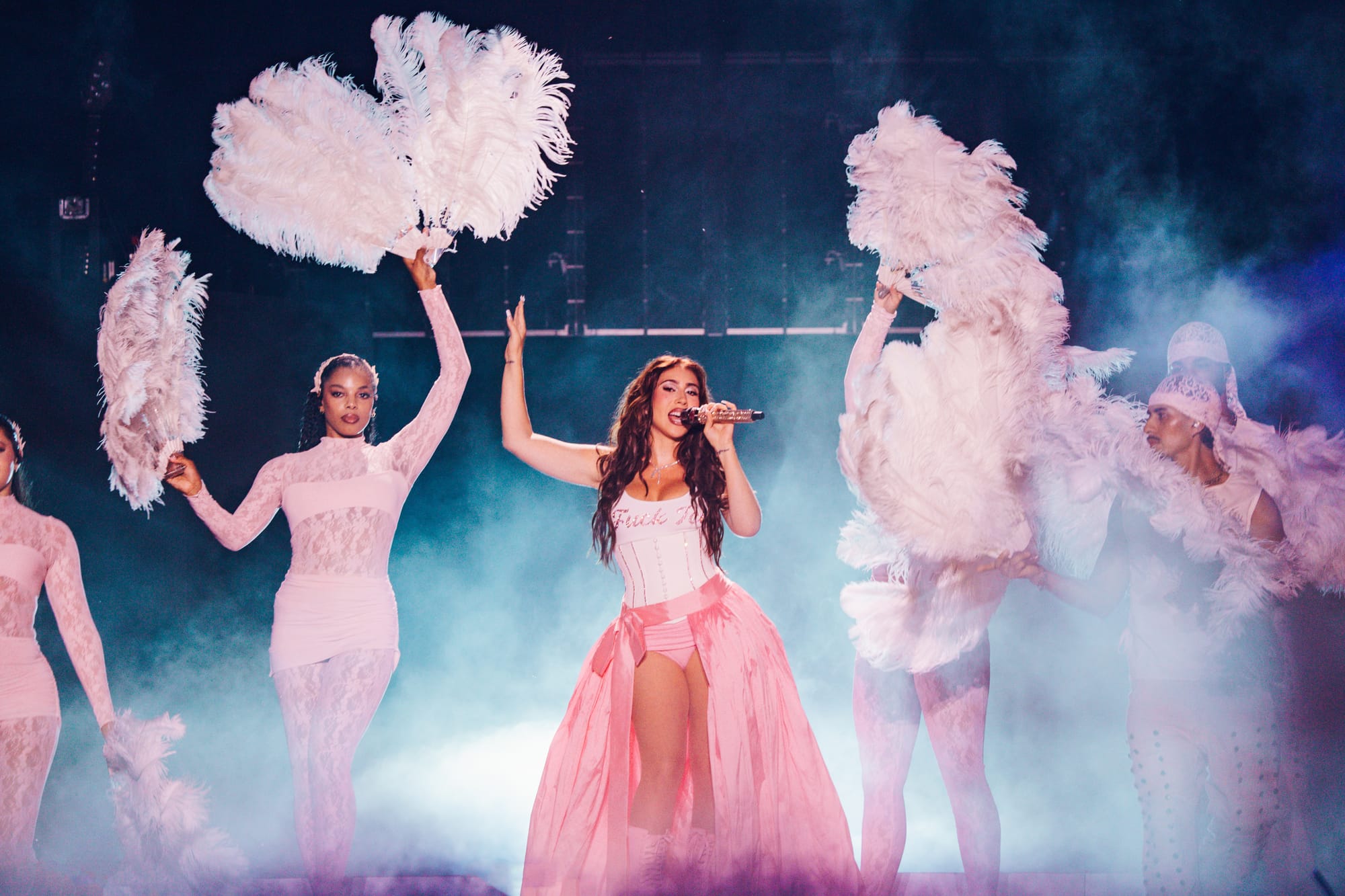
Photos by Deanie Chen (Left) and Gaby Deimeke (Right)
The music will always be the reason people buy a ticket to Hinterland, but the festival's strongest identity comes from everything happening around it.
The HinterMarket gave attendees an opportunity to browse local and independent vendors, while the food program offered enough variety to accommodate just about every craving throughout the weekend.
Miniland provided a separate space for families and younger festivalgoers. The area brought a noticeably different energy to the grounds, with activities and programming designed specifically for families rather than simply placing them within the larger festival environment.
The Miniland Stage added another layer of entertainment, making the area feel like its own small part of Hinterland rather than simply a designated children's space.
For those camping on-site, Basecamp became another central gathering point. Between food, drinks, vinyl DJs, the record store, vendors and activities, it gave campers somewhere to spend time without having to constantly return to the main festival grounds.
Then there was the Campfire Stage.
The late-night programming has become one of Hinterland's defining features, and this year's schedule gave attendees plenty of reason to stay up. The smaller stage created a completely different environment from the main field, with closer performances and a more intimate atmosphere.
It's difficult to think of many festivals where the night feels like it has a second act.
At Hinterland, it does.
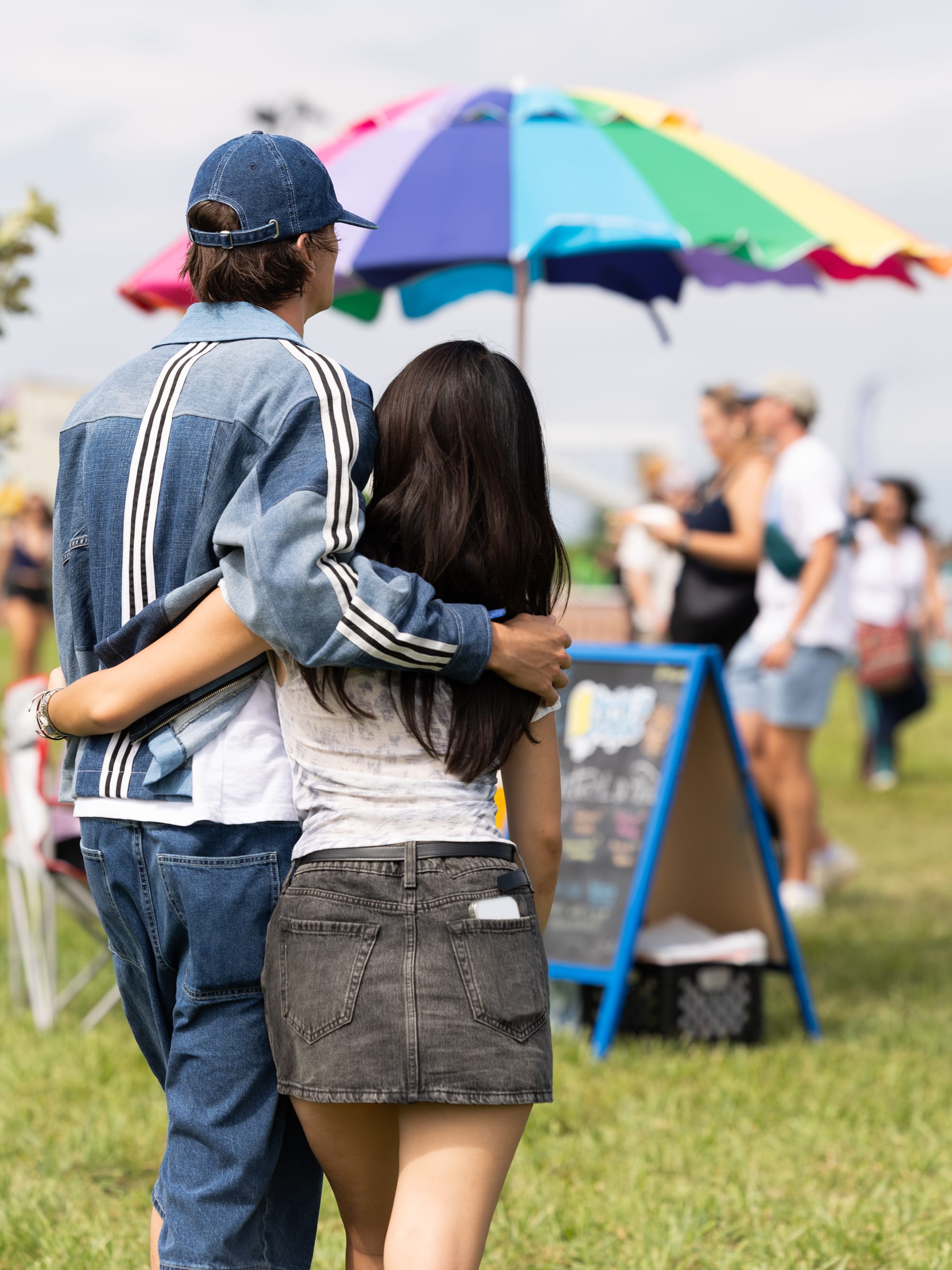
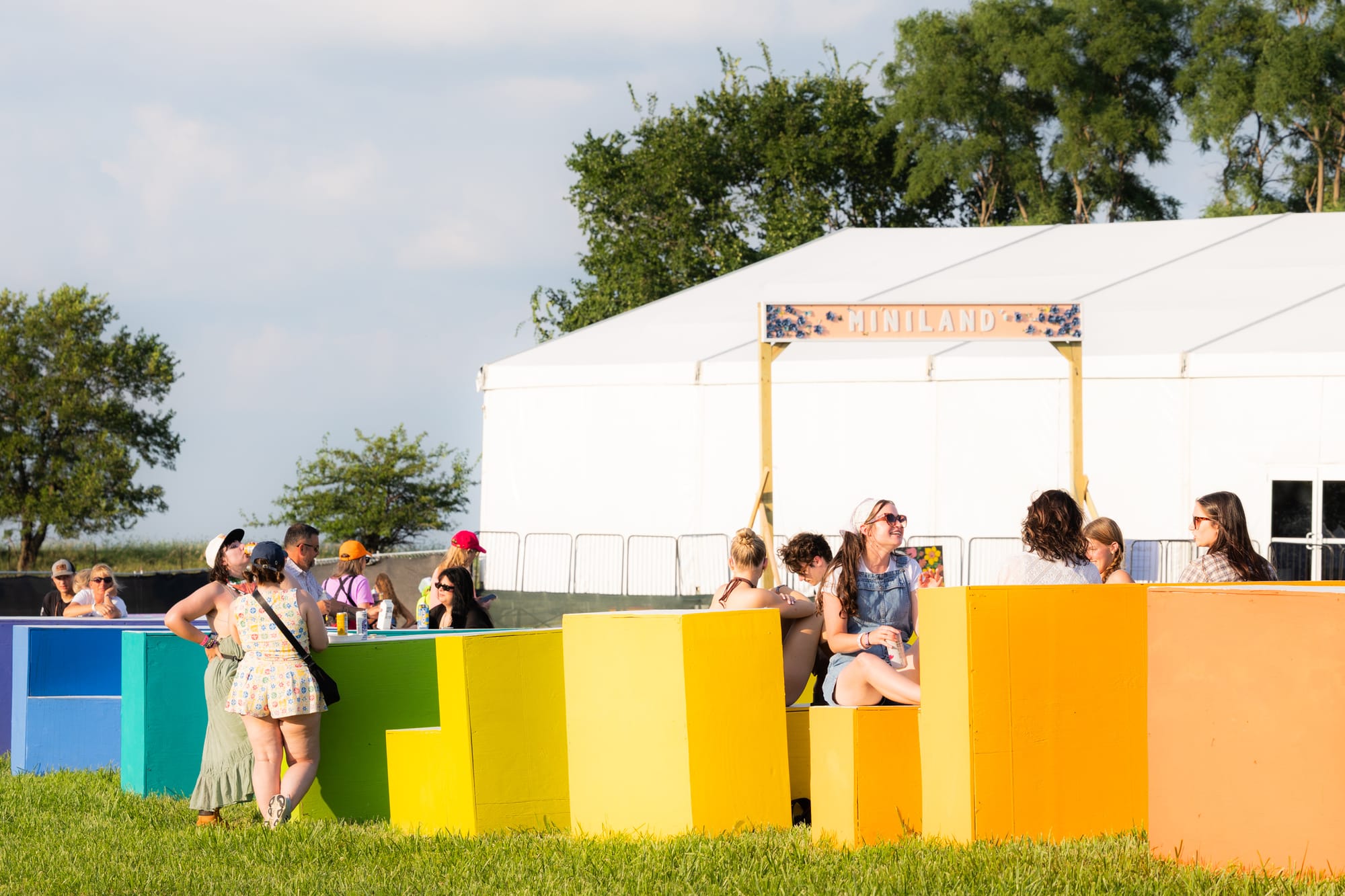
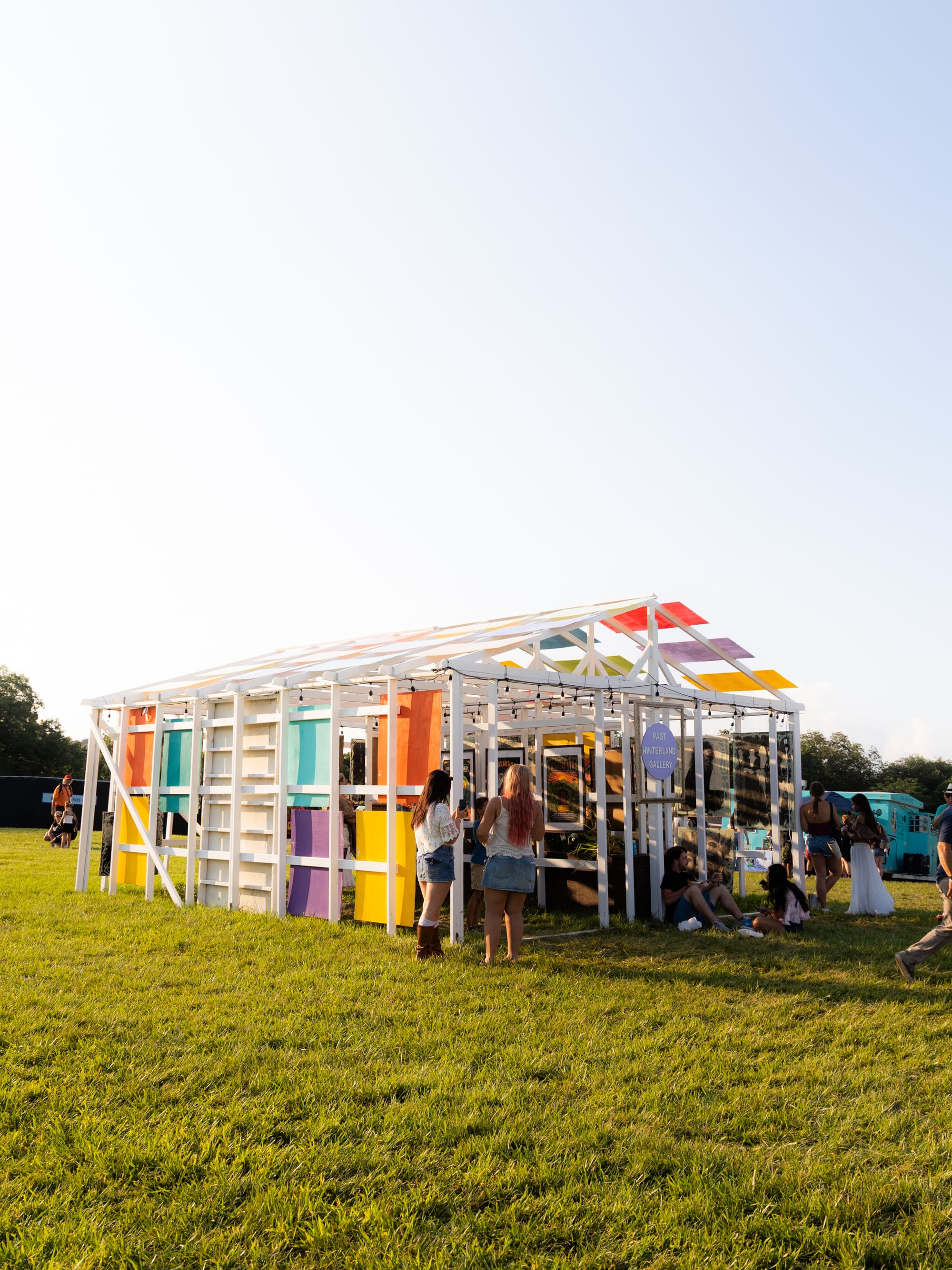
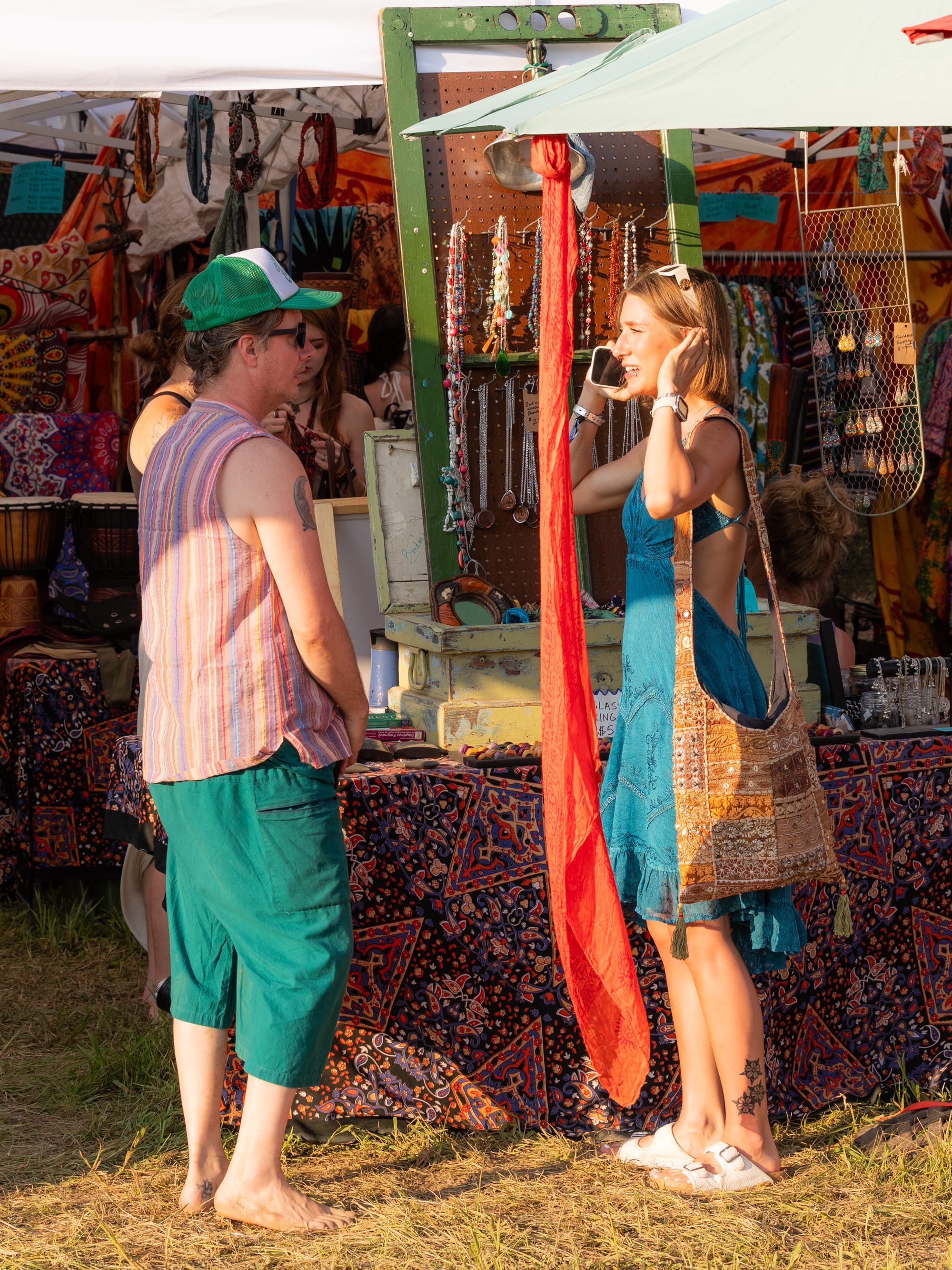
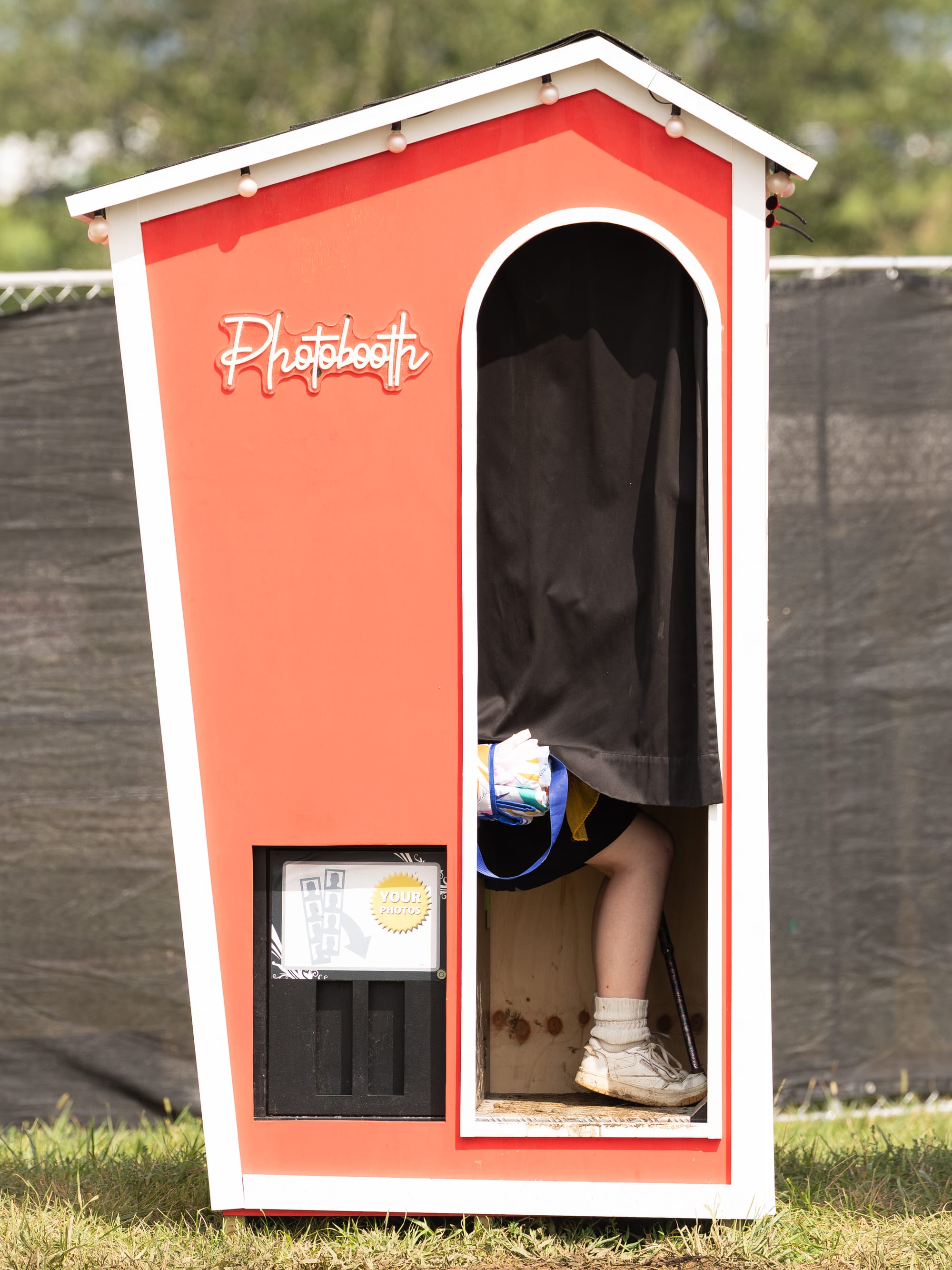
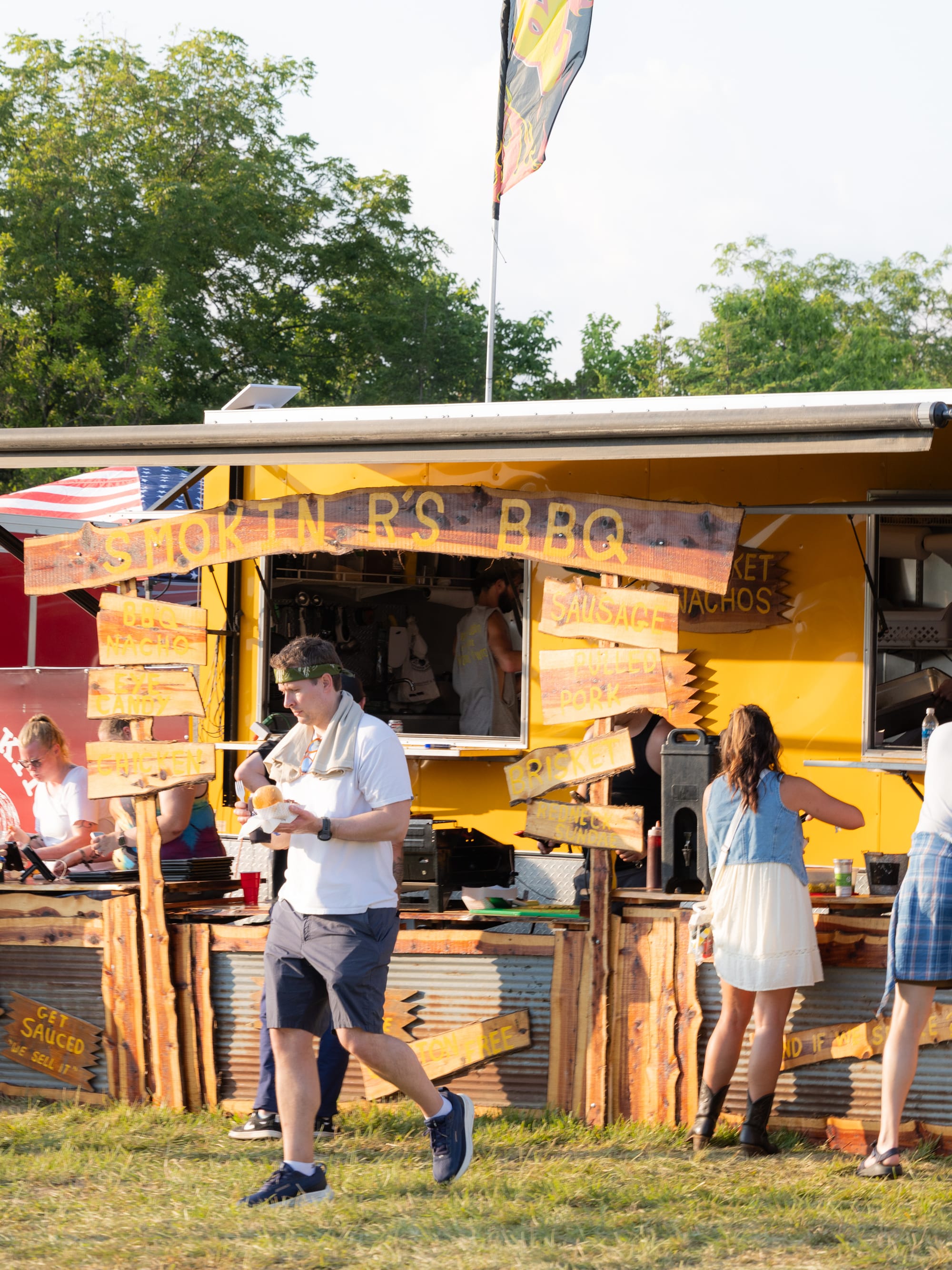
Photos by Noah Couitt
Perhaps the most consistent element throughout the weekend was the audience.
Hinterland attracts people who genuinely care about music. Fans weren't simply arriving for the four headliners and leaving. They were filling the grounds for afternoon sets, dancing through unfamiliar performances and giving artists throughout the lineup a real opportunity to connect.
That enthusiasm is particularly important at a festival built around discovery.
A great lineup can put an artist in front of thousands of people, but it takes an engaged audience to make that performance matter. Hinterland's crowd consistently brought that energy.
The result was a festival atmosphere that felt passionate without being overwhelming—a crowd willing to celebrate the artists they loved while remaining open to whoever came next.
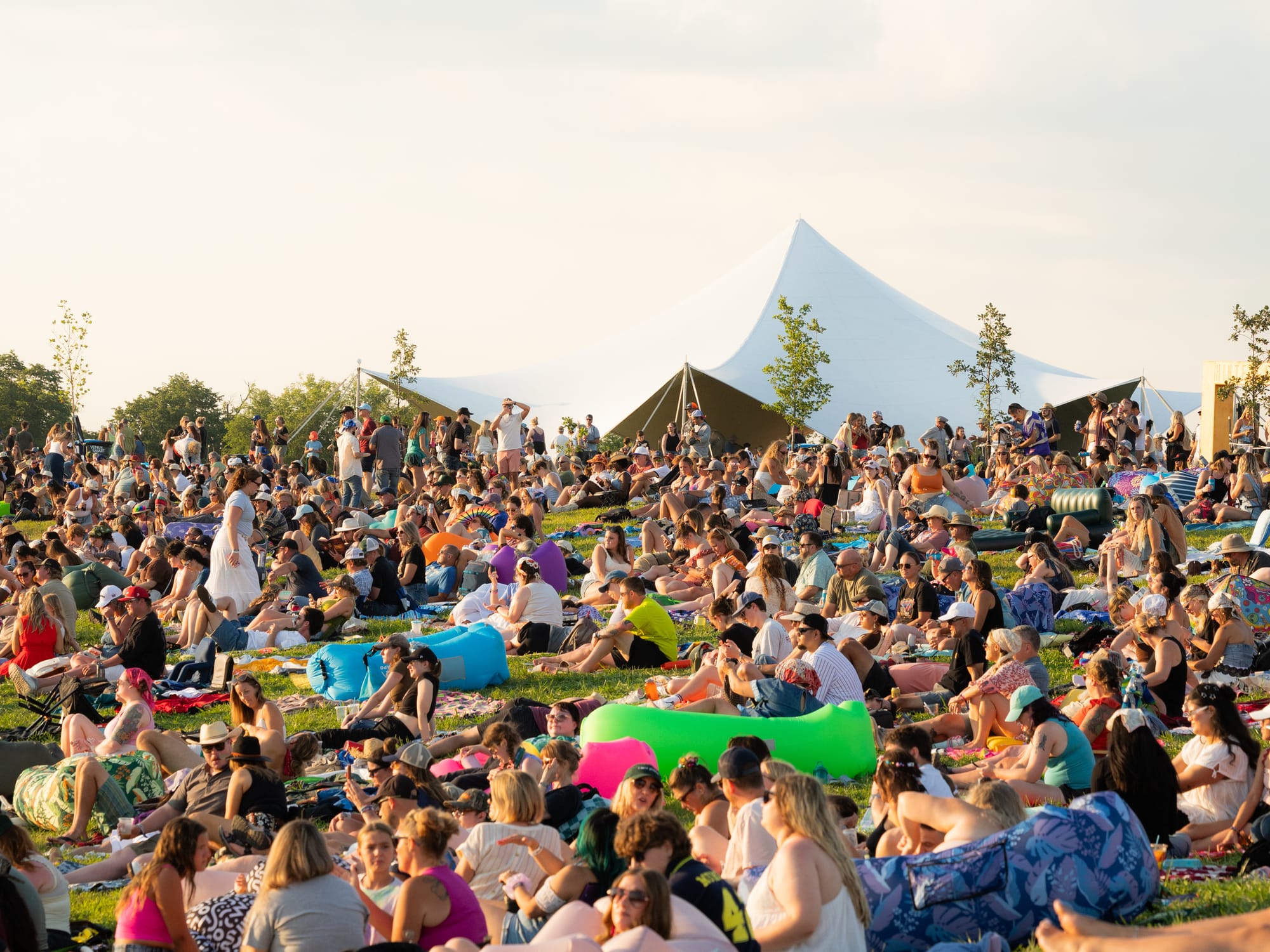
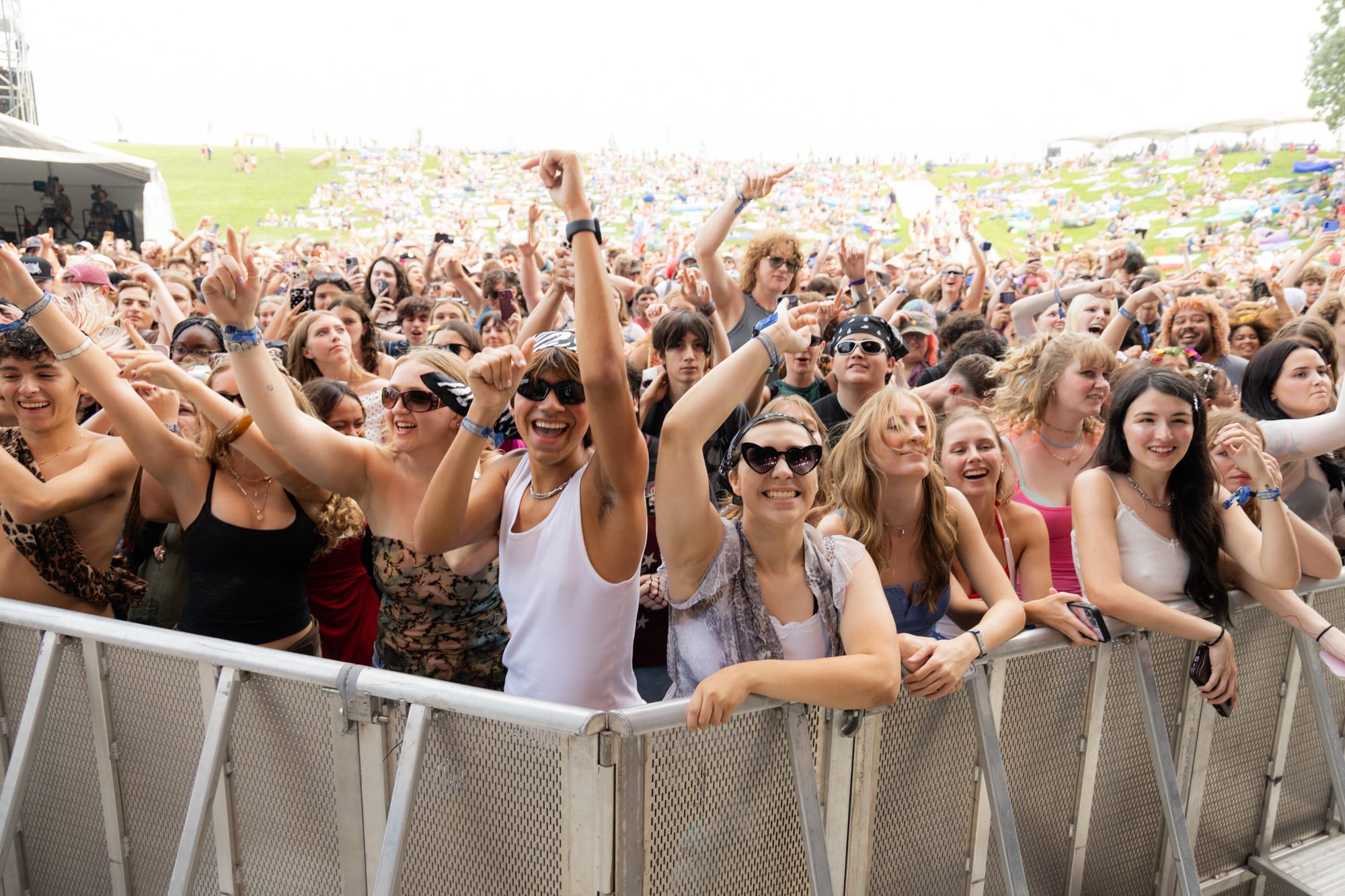
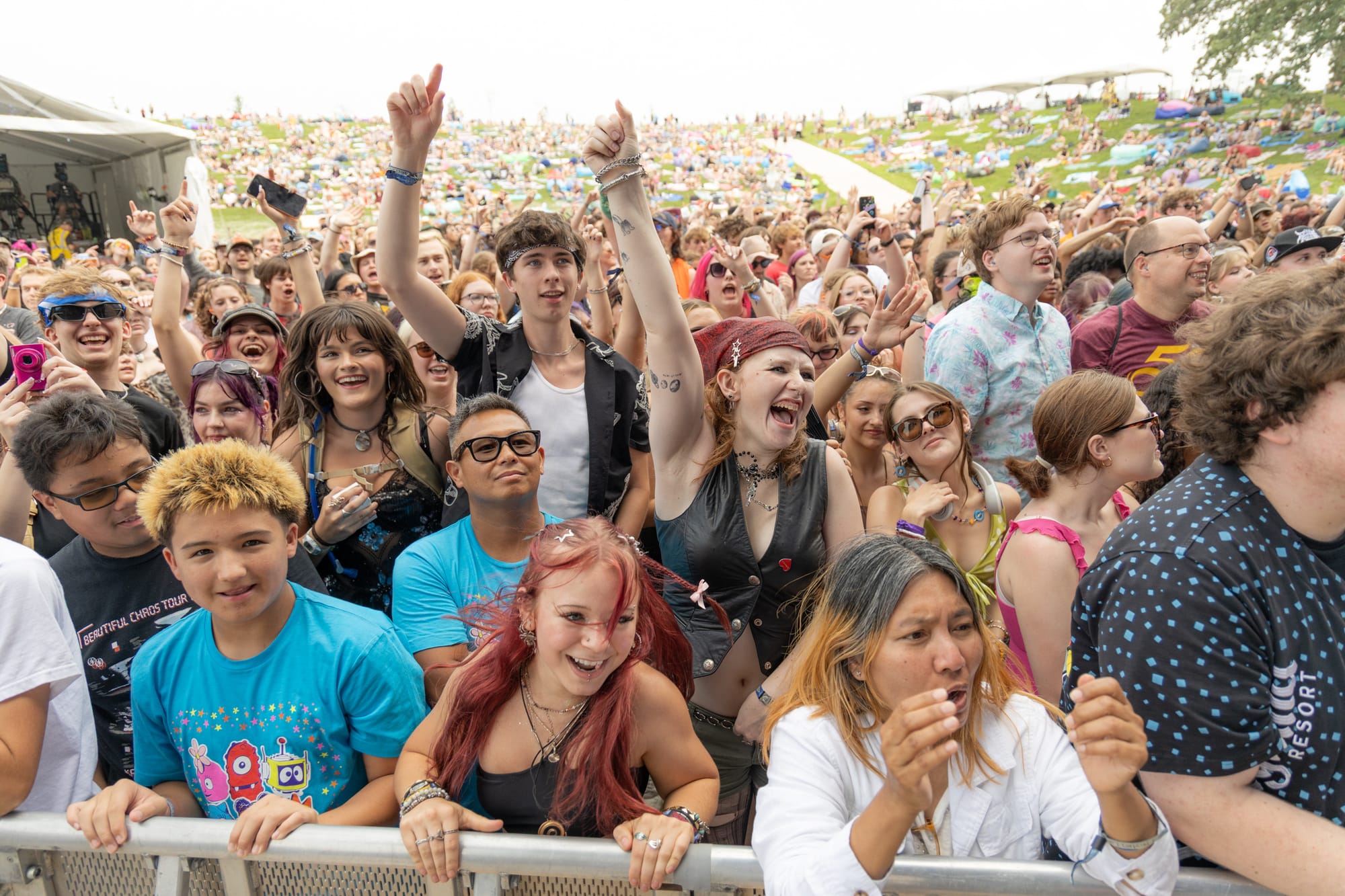
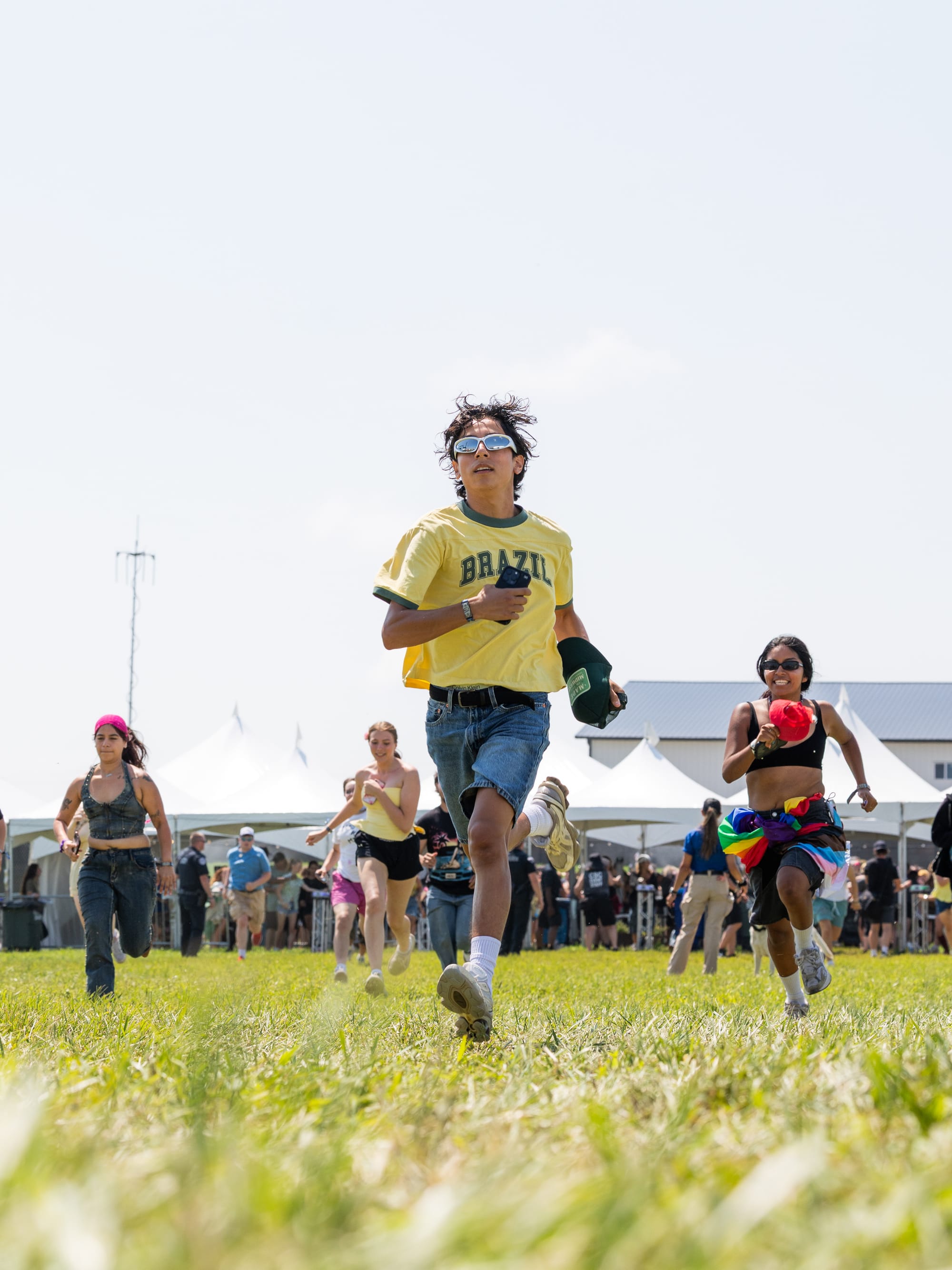
Photos by Noah Couitt
Hinterland 2026 succeeded because it never felt like the festival was trying to compete with every other major event on the calendar.
Instead, it leaned into what makes it different.
The lineup was diverse without feeling random. The audience was invested. The grounds gave people room to explore. Miniland created a genuine family experience. Basecamp gave campers another place to gather. The Campfire Stage kept the music alive after dark. And the combination of food, vendors, trails and other activities made the festival feel like a destination rather than simply a collection of stages.
KATSEYE, Lorde, Mumford & Sons and Kali Uchis each gave the weekend its biggest moments, but they were only pieces of a much larger experience.
After four days, Hinterland left the impression of a festival that understands something increasingly rare in the modern festival landscape: sometimes the best part isn't knowing exactly what you're going to see. It's giving yourself enough time to find out what you didn't know you wanted to see.
And that may be Hinterland's greatest strength.
Your link has expired. Please request a new one.
Your link has expired. Please request a new one.
Your link has expired. Please request a new one.
Great! You've successfully signed up.
Great! You've successfully signed up.
Welcome back! You've successfully signed in.
Success! You now have access to additional content.